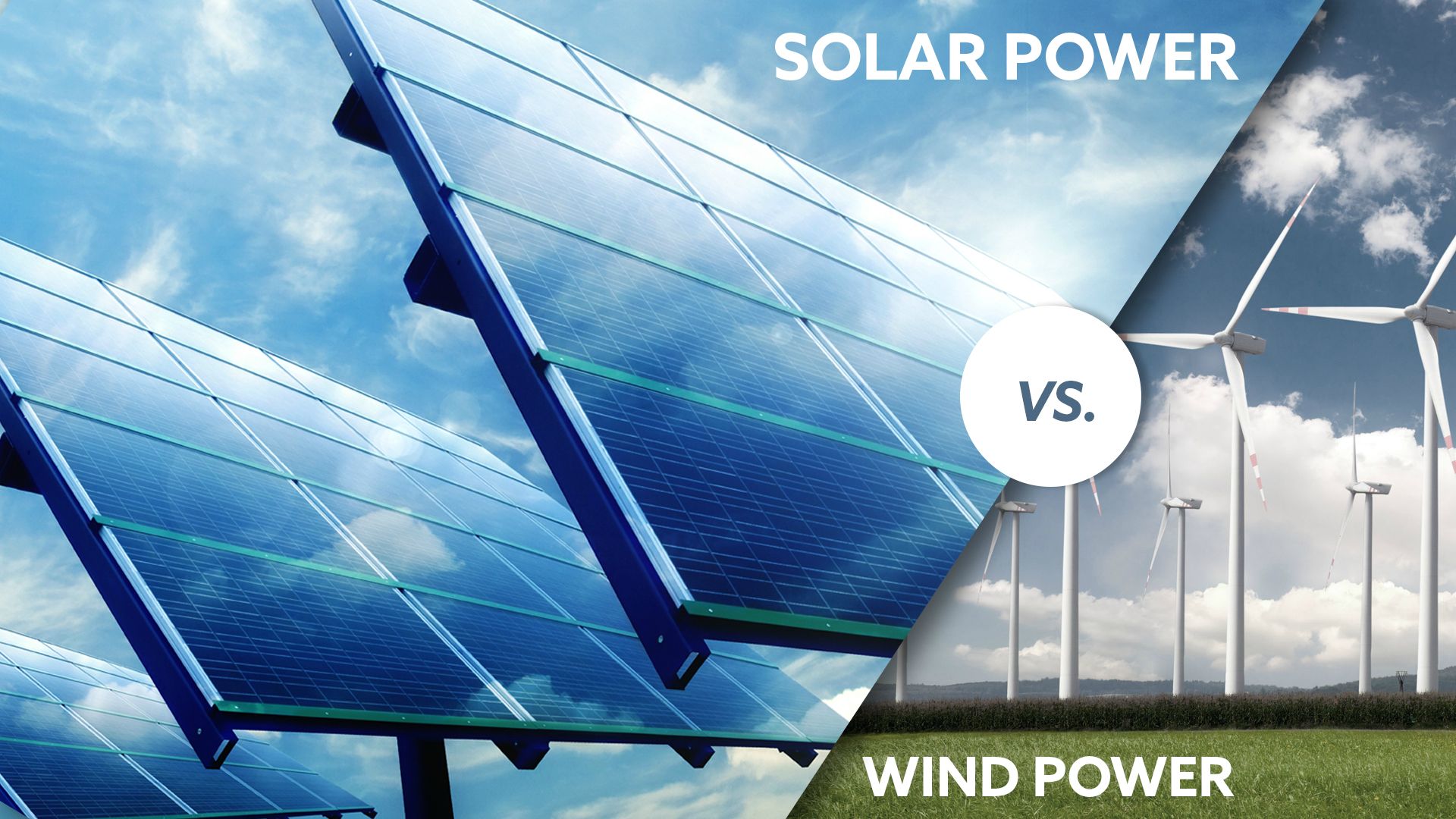
In the quest for sustainable energy solutions, three contenders have emerged at the forefront of the debate: wind turbines, solar panels, and nuclear power. Each of these technologies offers unique advantages and challenges, as well as distinct philosophical underpinnings that captivate our imaginations and spark fervent discussions in environmental circles. To navigate this complex landscape, one must delve deeper than mere comparisons of efficiency and cost-effectiveness. This discourse aims to unravel not only the practical implications of each energy source but also the broader narratives they represent in our pursuit of a sustainable future.
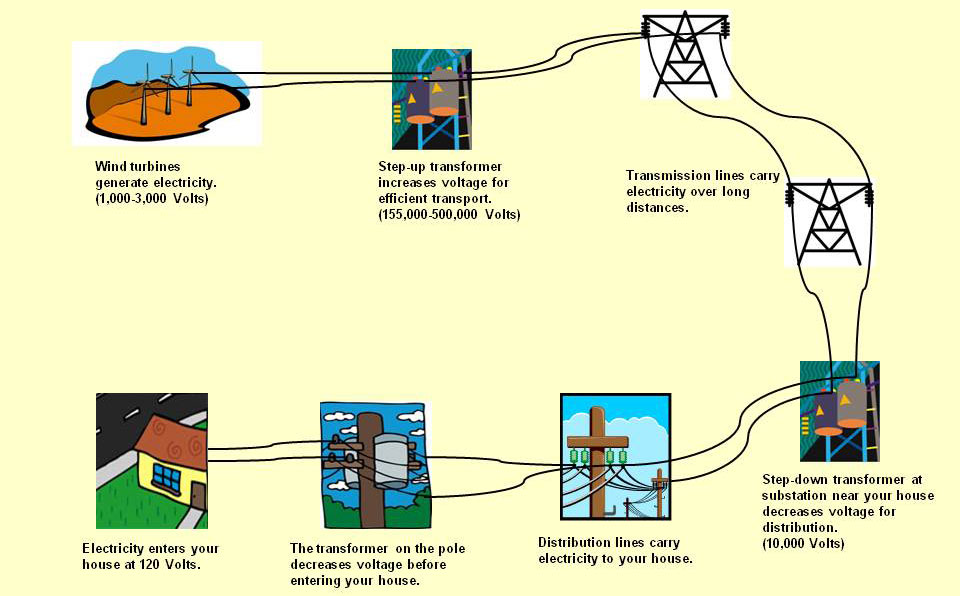
Beginning with wind power, one cannot overlook its striking visual representation of modern renewable technology. Wind turbines — colossal structures revolving gracefully against the skyline — embody both progress and environmental stewardship. Harnessing the kinetic energy of the wind, they generate electricity without the byproducts typically associated with fossil fuels. Load factors can be impressive, with well-placed installations averaging between 35% to 45% efficiency, which translates to substantial energy production over time.
Moreover, wind energy’s environmental footprint is impressively light. Studies suggest that the lifecycle carbon emissions from wind energy are minimal compared to traditional sources. Advocates often highlight the ostensibly endless supply of wind, particularly in areas like coastal plains and elevated plateaus where gusts are not merely sporadic but frequent and robust. Yet, challenges abound. The intermittency of wind poses a significant hurdle. Fluctuations in wind speed can lead to periods of low production, necessitating the integration of energy storage solutions or complementary power systems to ensure a continuous energy supply.
Transitioning to solar power, a similarly compelling narrative unfolds. Solar panels convert photonic energy from the sun directly into electricity, offering a decentralized form of energy production. The concept is deceptively simple, yet its implications are monumental. On rooftops and vacant lots alike, solar panels symbolize self-reliance and resilience — the idea that individuals or communities can take charge of their energy destinies.
In terms of efficiency, solar power has advanced significantly. Modern photovoltaic cells boast efficiencies exceeding 20%, and innovations such as bifacial panels promise to augment this performance further. The ability to absorb sunlight from multiple angles opens the door to increased energy generation in diverse environments. As installation costs continue to plummet, solar energy attracts both individuals seeking to lower their energy bills and governments interested in meeting ambitious climate targets.
Nonetheless, the solar narrative is not without its drawbacks. The manufacturing process for photovoltaic cells, particularly when it involves rare minerals, raises environmental and ethical concerns. Furthermore, the solar energy production curve follows the sun—meaning its output peaks during daylight hours, plunging to significantly lower levels at night. This necessitates questions around energy storage and grid infrastructure. In many regions, the lack of robust storage solutions remains a glaring vulnerability, demanding ongoing innovation and investment in battery technology.
Finally, the discourse turns to nuclear power—often considered the ‘dark horse’ of the energy debate. Nuclear energy produces immense amounts of electricity from a comparatively small fuel source through the process of nuclear fission. The output is consistent and reliable, serving the backbone of energy grids in several countries. In this context, nuclear power stands as a paradox; it provides clean energy with zero carbon emissions during operation while simultaneously raising alarm bells regarding safety and waste management.
The fascination surrounding nuclear power often stems not only from its technical prowess but also from the specter of disaster that lingers in public memory. Catastrophic events, such as those at Chernobyl and Fukushima, have cast long shadows over public perception. The visceral nature of these incidents leads many to associate nuclear energy with risk, despite advancements in technology that prioritize safety and containment. Furthermore, the debate surrounding nuclear waste disposal remains unresolved, complicating its position in the renewable energy landscape.
When juxtaposing these three energy sources—wind turbines, solar panels, and nuclear power—one must consider not only their respective efficiencies and outputs but also their societal implications. Wind and solar energies present themselves as accessible and increasingly democratized forms of energy generation, with individuals playing a crucial role in energy transition. In contrast, nuclear energy, while powerful and reliable, is often viewed through a lens of apprehension, necessitating a robust regulatory framework and centralized control.
Moreover, the narrative each technology represents reflects broader societal values. Wind and solar energy symbolize innovation and harmony with nature, evoking optimism about human ingenuity. Nuclear power, however, conjures dual feelings of awe and fear, reflecting humanity’s complex relationship with technology and its consequences. This duality invites deeper inquiry into our energy choices, culminating in a broader discussion about the ethics and aesthetics of energy production.
Ultimately, the question of which energy source ‘wins’ is not a binary one; rather, it is a nuanced evaluation of context, geography, technology, and societal preference. The ideal energy mix is likely to be multifaceted, leveraging the unique strengths of wind, solar, and nuclear power while addressing their inherent weaknesses. Each option contributes significantly to the common goal of sustainable energy and can foster a future where clean, reliable, and safe power is available to all. The journey toward that future will undoubtedly be fraught with challenges, yet it is a pursuit that resonates deeply with our collective hope for a more sustainable planet.





Leave a Comment