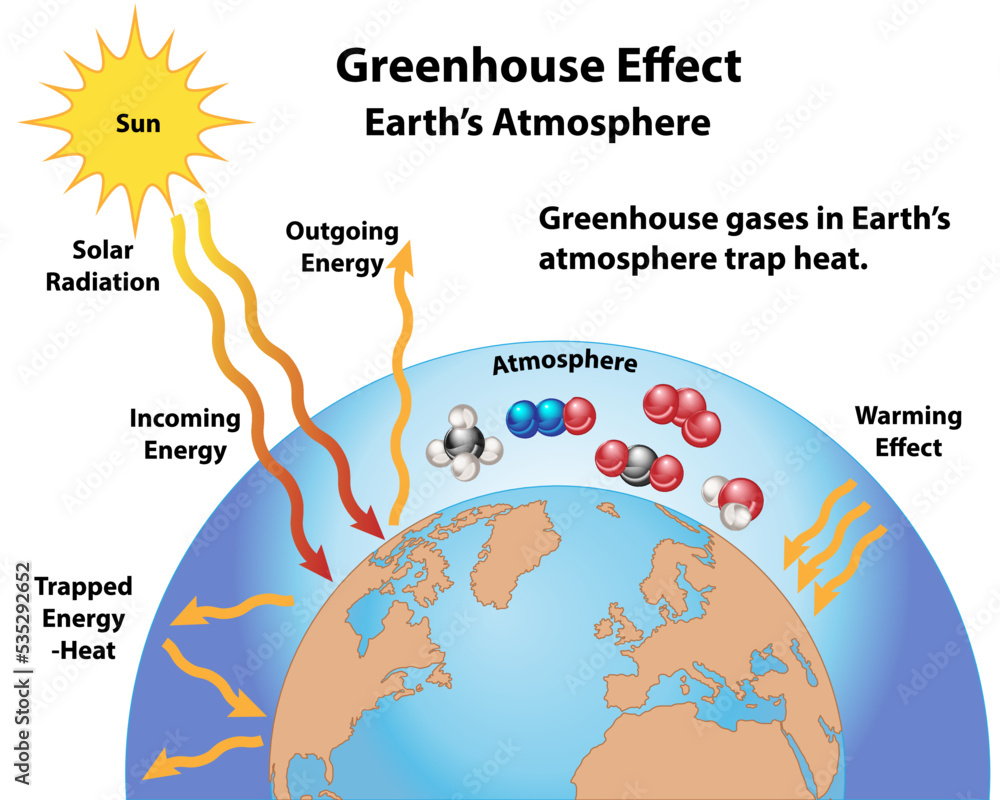
Water vapor, the most abundant and influential greenhouse gas in the Earth’s atmosphere, occupies a paradoxical position in climate discourse. It is an often-overlooked element of the greenhouse effect, and its unique characteristics set it apart from its more commonly scrutinized counterparts like carbon dioxide and methane. While these gases are frequently vilified for their roles in global warming, water vapor remains in the background, evoking a mixture of awe and curiosity. Why is this? A closer examination reveals a complex interplay between natural processes, atmospheric science, and socio-political perspectives.
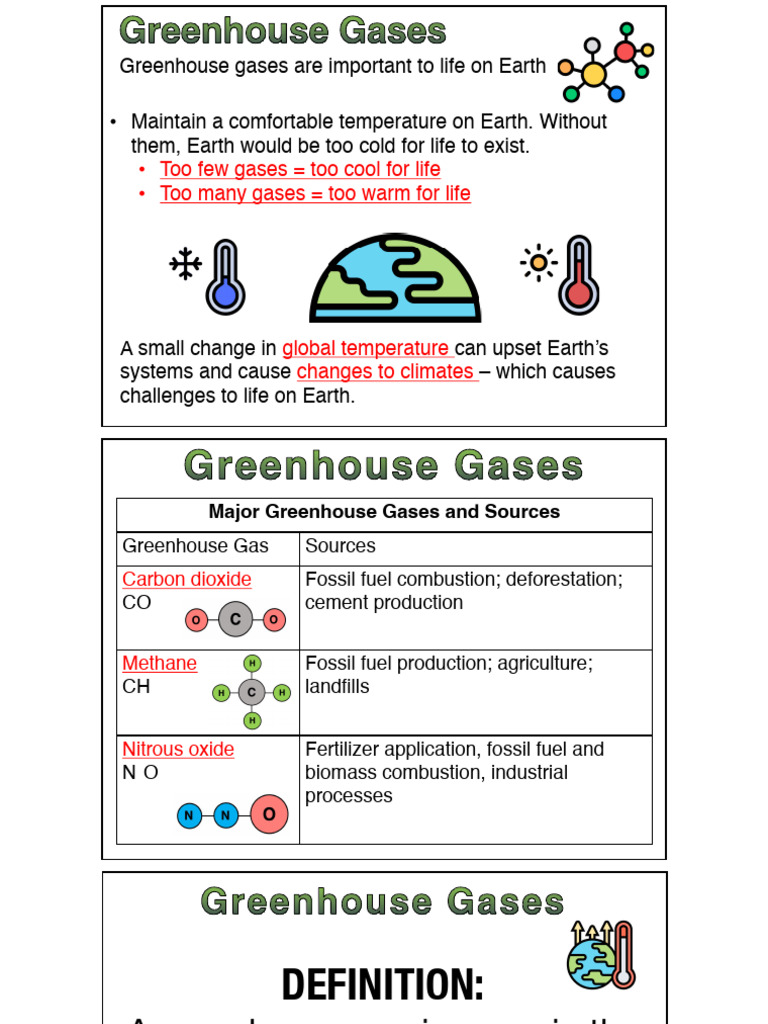
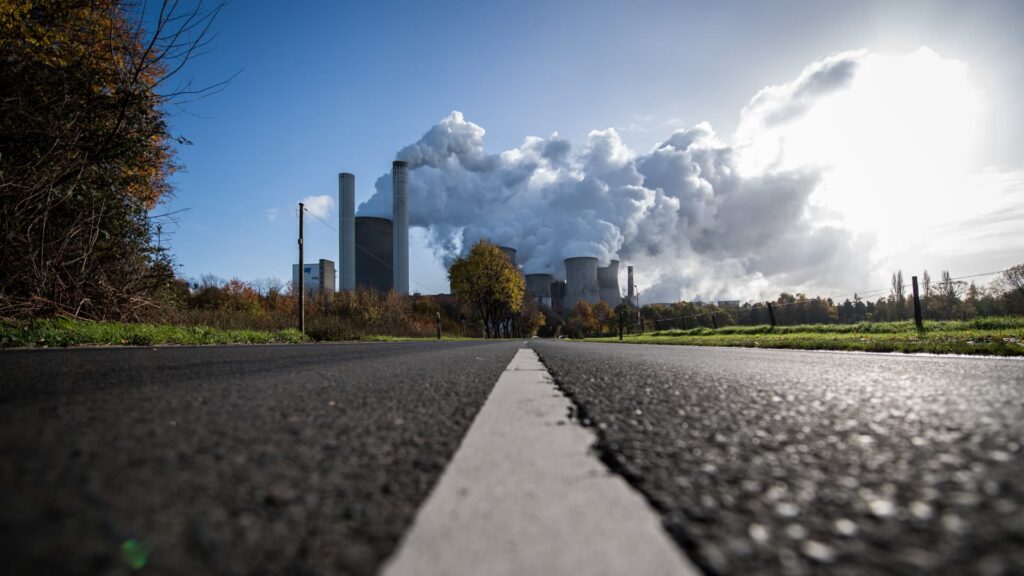
The primary distinction lies in the sources and behaviors of greenhouse gases. Carbon dioxide, methane, and nitrous oxide are anthropogenic in nature, primarily derived from human activities such as fossil fuel combustion, industrial processes, and agricultural practices. In contrast, water vapor is a natural component of the atmosphere. It is crucial to life, acting as a facilitator of weather patterns and influencing global temperatures. It becomes evident that the delineation between human influence and natural processes complicates the narrative surrounding greenhouse gases.
Water vapor’s role in climate regulation is undeniably central. As it evaporates from oceans, lakes, and rivers, it ascends into the atmosphere, condensing into clouds and precipitating back to the surface. This cycle, known as the hydrological cycle, is fundamental to Earth’s climate system. Water vapor acts as an amplifier for climate change, enhancing the effects of other greenhouse gases. When the planet warms due to increased levels of carbon dioxide, more water evaporates, increasing the concentration of water vapor. This amplification underscores the critical relationship between human activities and natural atmospheric processes.
However, the complicating factor is that water vapor is not directly emitted by human actions, but rather is a byproduct of temperature increases that result from these actions. This intrinsic relationship obscures the culpability we aim to assign to the gases we can control. Thus, discussions of climate change often revolve around the more tangible gases, leaving water vapor in the shadows – a silent participant in the atmospheric drama.
Another significant aspect to consider is the regulatory framework governing greenhouse gases. Policy and regulatory measures are often designed to address those gases that can be quantified and controlled through human intervention. Global treaties, such as the Kyoto Protocol and the Paris Agreement, primarily address carbon dioxide, methane, and nitrous oxide while largely neglecting water vapor. This selective treatment stems from the challenge of controlling water vapor concentrations in the atmosphere: it’s inherently a byproduct of environmental conditions rather than an exhaustible resource. Essentially, how does one regulate a gas that is intrinsically tied to temperature and, consequently, human-induced climate change?
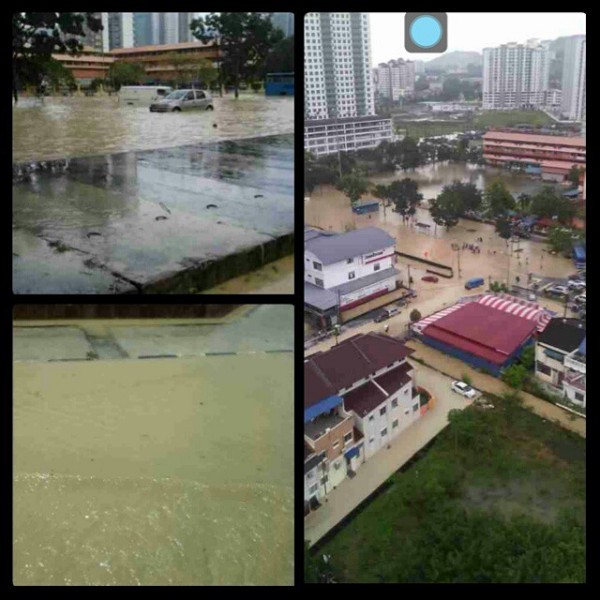
The absence of a clear regulatory avenue does not diminish the importance of water vapor. On the contrary, recognizing its pivotal role in greenhouse gas interactions complicates our understanding of climate systems. The feedback loops involving water vapor can lead to severe climate predictions. As temperatures rise, the consequent increase in evaporation and, subsequently, atmospheric water vapor could contribute to more severe weather extremes. The irony is palpable—while we herald the reduction of carbon emissions, we overlook the cascading effects that arise from a burgeoning water vapor presence, perpetuating the intricate dance of climate feedbacks.
This dynamic further complicates public perception and awareness regarding water vapor. While campaigns targeting carbon dioxide reduction are prevalent, the narrative surrounding water vapor is less dramatic, less visceral. There is a tendency to anthropomorphize carbon dioxide as the villain of climate change while relegating water vapor to an innocuous background character. This disparity forms a barrier to discussion and understanding, a factor contributing to the lack of dialogue addressing water vapor’s contributions to climate phenomena.
Moreover, water vapor’s transient nature adds to the complexity. Unlike carbon dioxide, which can remain in the atmosphere for centuries, water vapor has a much shorter lifetime, typically around ten days. This ephemeral quality can lead to a misunderstanding of its magnitude and impact on climate change. It fluctuates based on meteorological conditions, making it difficult to quantify and assess in static terms. As a result, many overlook its significance in climate modeling and forecasting, focusing instead on gases that present more stable concentrations and are thus easier to tackle through policy measures.
As we delve deeper into the reasons why water vapor isn’t treated like other greenhouse gases, it becomes increasingly evident that a reevaluation of our approach is necessary. We must recognize that climate change is a multifaceted phenomenon deeply rooted in a complex web of natural laws and human activities. The omission of water vapor from climate change discussions is not just a scientific oversight; it reflects a larger narrative entrenched in how we view environmental agency. This narrative must evolve as our understanding of climate science deepens. Awareness and education about the role of water vapor can foster a holistic view of atmospheric sciences, allowing for comprehensive climate action that accounts for all aspects of greenhouse gases.
Ultimately, recognizing water vapor’s unique position within the climate change dialogue is essential for crafting effective solutions. Understanding its interactions with other greenhouse gases and its critical role in climate feedback loops may help create a more inclusive approach to climate action. This inclusion can pave the way for more effective strategies that address the full spectrum of atmospheric processes, thereby enhancing our resilience in the face of ongoing climate challenges.






Leave a Comment