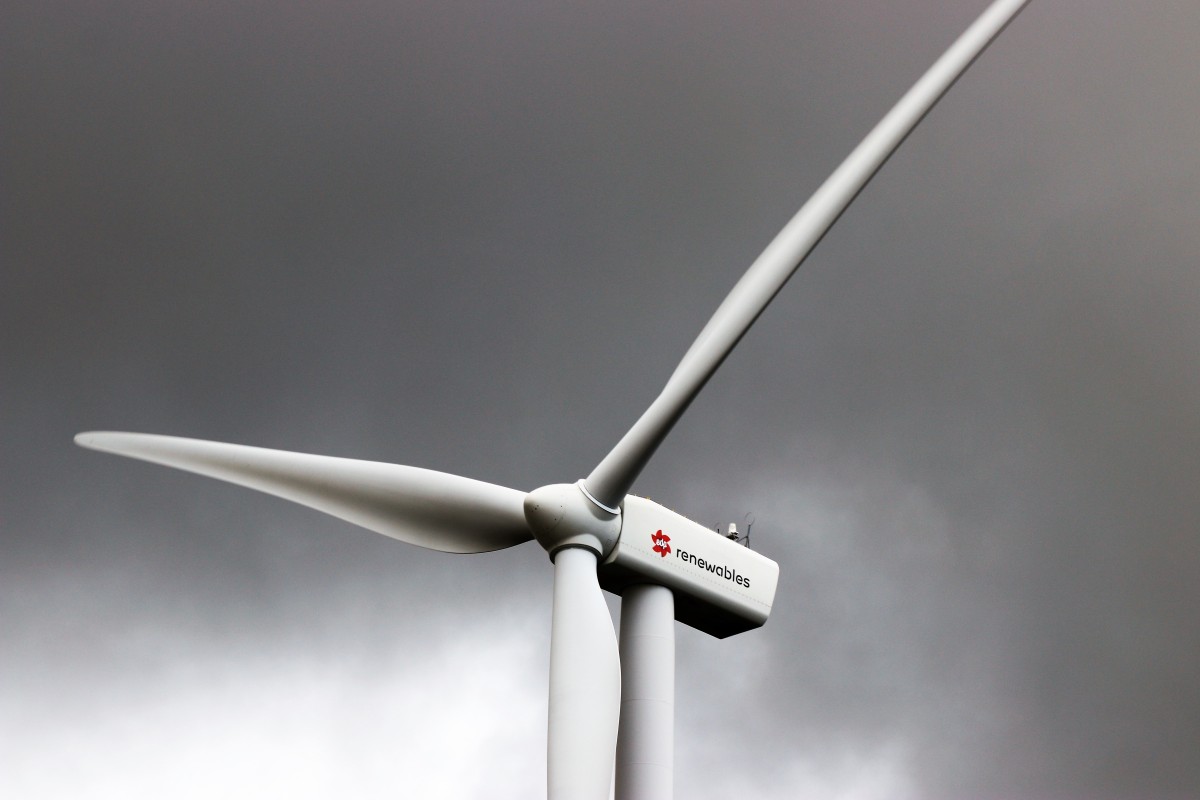
Wind energy has emerged as a quintessential component of the global endeavor to harness clean and renewable resources. As the world grapples with climate change and dwindling fossil fuel reserves, wind turbines have surged in prominence. However, an intriguing question lingers—why do most wind turbines boast three blades? To unravel this conundrum, we must examine the nuances of aerodynamics, engineering efficiency, structural balance, and aesthetic considerations, all of which contribute to this ubiquitous design.
The genesis of the three-blade configuration can be traced back to the quest for optimal aerodynamic performance. When the blades of a wind turbine rotate, they interact with the wind, creating lift and drag. The fundamental principles of aerodynamics dictate that a certain number of blades will yield maximum efficiency. Historical data and extensive research indicate that adding more blades can lead to increased resistance against gusts of wind, whereas fewer blades would not capture enough energy. A trivaned design strikes a harmonious balance, facilitating a rotor with the necessary lift while minimizing excess drag during rotation. This triadic composition allows for a smooth, efficient flow of wind across the blades, thereby optimizing energy capture.
Beyond mere aerodynamics, the engineering aspects of wind turbine design cannot be overstated. The three-blade configuration presents a formidable balance of strength and weight. Blades must withstand immense forces, which makes the selection of materials and structural integrity critical. Three blades provide a framework that enhances the turbine’s stability. With an uneven number of blades, the rotational torque remains more equitable, reducing the propensity for vibrations or undue strain on the turbine’s components. Such durability is paramount, as the longevity of a wind turbine correlates directly with its economic viability.
Moreover, the symmetry of this design resonates deeply with efficiency considerations. An uneven number of blades translates to opportunities for better control over the turbine. The placement of three blades allows for a precise calculation of the rotor’s rotational speed in relation to wind conditions, ensuring that the turbine operates within its optimal parameters. This consistency is crucial for maintaining peak performance, particularly in fluctuating weather patterns. Thus, from an engineering standpoint, the tripartite arrangement not only enhances functionality but also prolongs the operational lifespan of wind turbines.
In delving deeper into the aesthetic realm, one may ponder the visual impact of wind turbines. The three-blade design has become a symbol of modern environmental stewardship. It is not merely a feat of engineering; it represents humanity’s commitment to sustainable energy. The delicate, sweeping arcs of the blades evoke a sense of harmony with nature, as they elegantly rotate against the backdrop of the sky. This artistic quality may influence public perception and acceptance of wind energy, fostering greater awareness and advocacy for renewable resources.
However, the advantages of the three-blade configuration do not come without challenges. Critics often point to the noise generated by the turbines, a byproduct of their design. Each blade, as it cuts through the air, produces a sound that can be jarring to nearby communities. While advancements in materials and aerodynamics strive to mitigate these auditory disturbances, the desire to maintain energy efficiency remains paramount. Therefore, ongoing research seeks to address these concerns, ensuring that the wind turbine of the future remains both effective and considerate of its surroundings.
Another dilemma arises in the realm of energy production. It’s essential to recognize that the effectiveness of wind turbines extends beyond their physical architecture. Wind speed, direction, and consistency play pivotal roles in determining energy output. A three-blade turbine is predominantly designed for moderate wind conditions. Although they perform admirably in varying wind speeds, they require a minimum wind speed to generate energy efficiently. Thus, the climate and geography of a location remain crucial considerations when deploying wind farms.
As we contemplate the intricate tapestry of wind energy, one must also acknowledge the evolving technology linked to wind turbine design. Innovations such as variable pitch blades and advanced sensor systems complement the traditional three-blade model. These innovations herald a new era of adaptive wind turbines that can modify their blade angles based on real-time wind conditions, further enhancing efficiency. This progression breathes new life into the traditional framework, showcasing the remarkable adaptability of renewable energy technology.
In conclusion, the three-blade design of wind turbines is not merely an arbitrary choice; it is a deliberate manifestation of complex engineering principles, aerodynamic efficiency, structural stability, and aesthetic appeal. As societies gravitate towards sustainable energy solutions, it is imperative to embrace this concept, understanding the multifaceted nature of the decisions that dictate their design. The exploration of why turbines have three blades reveals a compelling narrative of innovation in the face of climatic challenges and a formidable commitment to the planet’s future. As this discourse continues to unfold, one thing remains certain—wind energy, with its iconic three-blade edifice, stands as a testament to human ingenuity in the quest for a sustainable tomorrow.






Leave a Comment