Delhi, a sprawling metropolis, is often at the nexus of discussions surrounding sustainable energy. The capital’s potentials for harnessing wind energy frequently surface in dialogues among environmentalists and policymakers alike. However, the prospect of establishing a large wind energy farm in this bustling urban landscape is fraught with complexities that reveal a tapestry of interwoven concerns. Understanding why Delhi cannot effectively host a significant wind energy facility requires an examination of geographical, infrastructural, socio-political, and economic elements.
Geographical Limitations
At the heart of Delhi’s inability to support a vast wind energy farm lies its geographical layout. The region is characterized predominantly by flat, urbanized terrain, lacking the altitude and expansive open spaces typically required for wind turbines to operate efficiently. Wind farms thrive in locations where wind speeds consistently meet or exceed specific thresholds. Unfortunately, Delhi’s urban topography often creates turbulence; buildings and infrastructure disrupt wind flows, rendering the city less than ideal for such installations. Areas with consistent wind patterns, on the other hand, such as Rajasthan or Gujarat, benefit from vast, unobstructed expanses that allow for optimal energy generation.
Inadequate Infrastructure
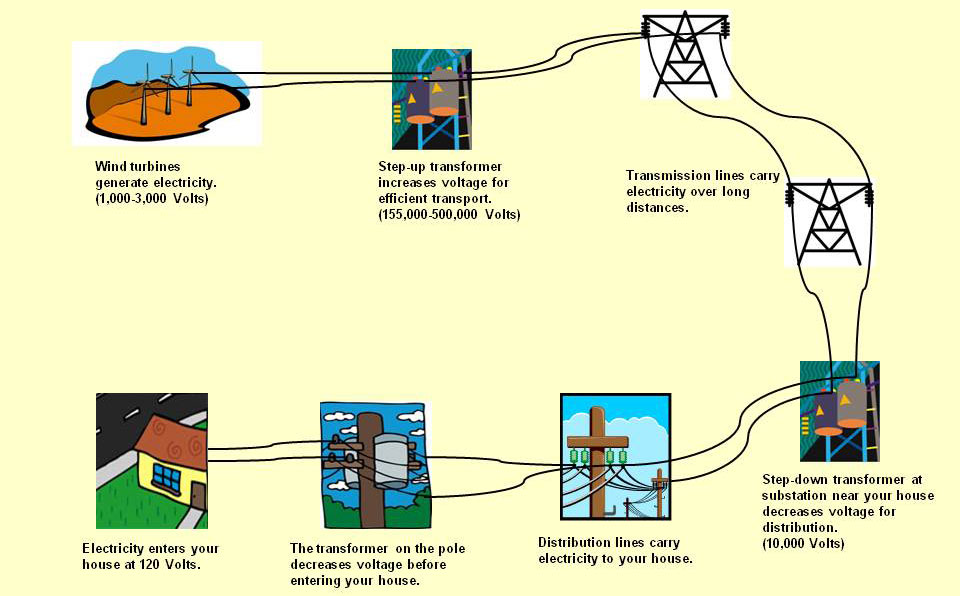
Infrastructure plays a cardinal role in energy generation and transmission. In Delhi, the existing electricity grid is primarily optimized for centralized power generation, which typically comes from fossil fuels or nuclear power. Transitioning to a decentralized model that accommodates wind energy involves significant investment in grid upgrades. Such modifications are not merely logistical; they require integrated planning to ensure reliability and efficiency throughout the power distribution network. A lack of existing infrastructure for wind energy could lead to an unreliable energy supply that complicates the overall sustainability goals of the city.
Regulatory Hurdles
The regulatory framework governing energy production in India is notoriously labyrinthine. Navigating the requisite permits and approvals necessary for establishing wind farms can be a Sisyphean task, particularly in a bureaucratic landscape like Delhi. The complexities of land acquisition as well as adherence to environmental regulations can delay projects interminably, rendering them less viable than in other regions with more streamlined processes. Furthermore, the protracted nature of policy adaptation hinders innovation and the timely implementation of cleaner energy technologies. There is often a lack of political will to prioritize renewable energy, which, in the context of Delhi’s pressing air pollution issues, presents a poignant irony.
Socio-Political Dynamics
The socio-political dynamics in Delhi further complicate the establishment of large wind energy farms. The city is home to a diverse population, and energy considerations often intersect with broader social issues. Communities that may be affected by wind farm construction typically express concerns over land use, displacement, and environmental integrity. The voices of local stakeholders must be harmonized with governmental aspirations for renewable energy, a balance that is frequently difficult to achieve. Compounding this is the issue of governance; where local leaders may prioritize immediate economic benefits over long-term environmental goals, wind energy initiatives can flounder.
Economic Considerations
The economic landscape is another significant impediment to wind energy development in Delhi. The cost of establishing a large-scale wind energy farm is substantial. Beyond the immediate capital outlay for infrastructure, ongoing maintenance and integration into the existing energy landscape must be considered. Investors may shy away from projects that do not promise quick returns—an unfortunate but prevalent mindset in economic decision-making. The pressing need for immediate energy solutions may lead to a preference for more traditional energy sources like coal and gas, which, despite their environmental drawbacks, can provide a faster return on investment.
Air Quality and Environmental Concerns
Delhi is infamous for its air quality issues, exacerbated by vehicular emissions, industrial activity, and seasonal crop burning in surrounding areas. While wind energy often contributes to improving air quality by reducing reliance on polluting fossil fuels, the installation of turbines is not without ecological disruption. Environmental assessments are integral to identifying potential impacts on avian populations, landscape aesthetic, and ambient noise levels. The tension between deploying renewable energy sources and preserving the existing environment poses a formidable challenge. Communities that already bear the brunt of poor air quality may resist additional changes, fearing further environmental degradation.
Social Acceptance and Awareness
Despite the evident need for renewable energy solutions, public awareness and acceptance can significantly influence the potential for large wind energy farms in Delhi. Many citizens remain uninformed about the benefits of wind energy compared to traditional sources. Without advocacy and education, misconceptions may foster reluctance among communities regarding such initiatives. To effectively implement wind energy solutions, far-reaching education and outreach efforts are essential to foster public understanding and promote community engagement.
Conclusion: A Distant Dream
In summation, while the vision of a large wind energy farm in Delhi captures the imagination, a multitude of inhibiting factors renders it a distant dream. Geographical restrictions, inadequate infrastructure, regulatory labyrinths, socio-political intricacies, economic trepidations, air quality concerns, and challenges in social acceptance all intertwine to create a complex tapestry that stymies wind energy advancement. The potential for a sustainable energy future remains, yet it calls for a collective reevaluation of priorities, transparent governance, and holistic engagement with communities to pave the way forward. Until these challenges are addressed, the vision of a large wind energy farm in Delhi will remain aspirational rather than tangible.






Leave a Comment