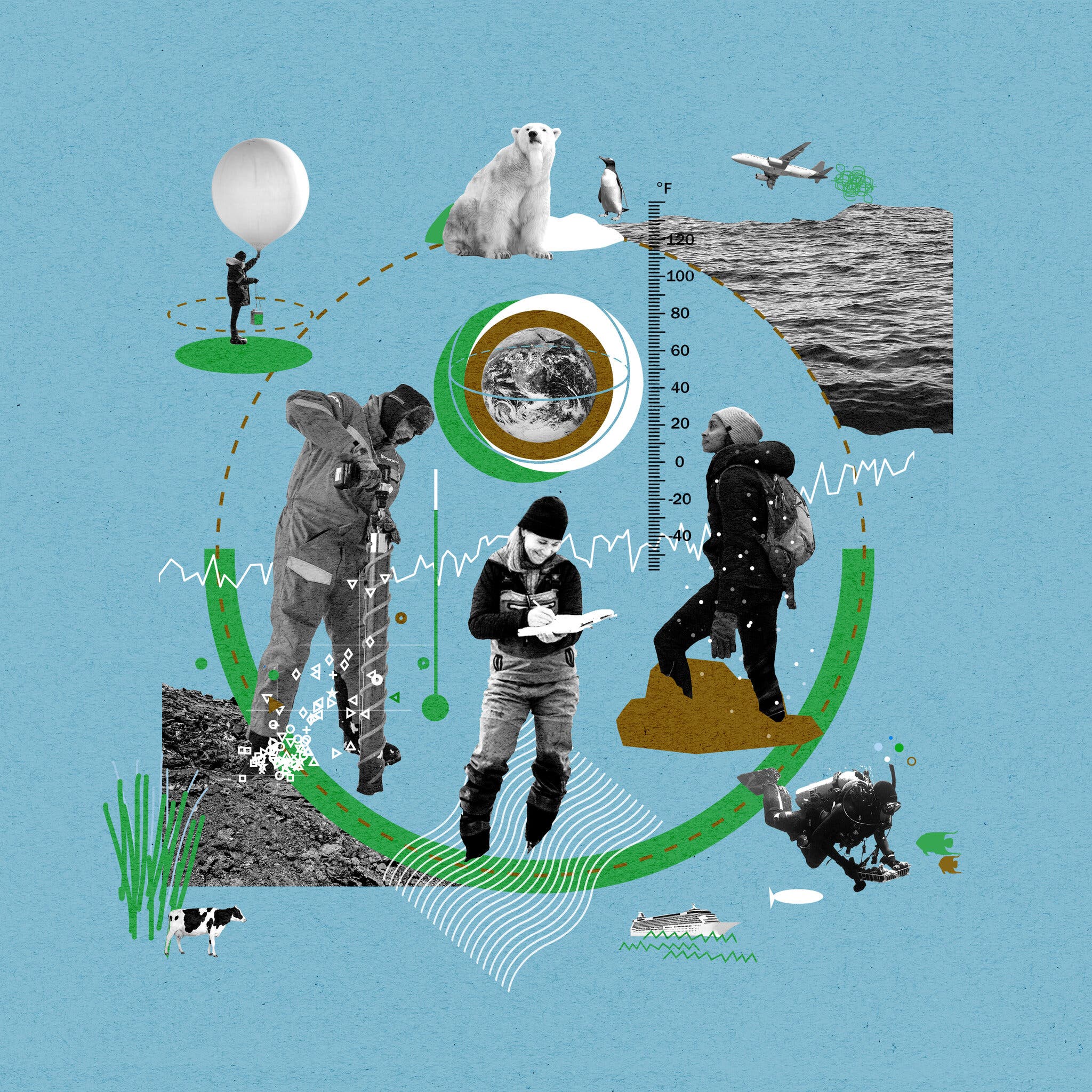
The phenomenon of climate change occupies a pivotal juncture in contemporary discourse, reverberating through the corridors of politics, science, and individual consciousness. The urgency with which the global community responds to this existential threat reflects its multifaceted implications for humanity and the myriad ecosystems that sustain it. Understanding why climate change has emerged as a focal point for discussion is paramount. It compels us to reevaluate our interaction with the Earth, interrogating both historical legacies and future trajectories.
At its core, climate change serves as a profound lens through which to examine the intricate and often tenuous balance between human civilization and the natural environment. Delving into this topic reveals a narrative that is not merely about fluctuating temperatures or melting ice caps; it is fundamentally about justice, equity, and sustainability. As such, engaging with climate change transcends scientific inquiry; it enables a compelling exploration of ethics and human responsibility.
Initially, the scientific aspects of climate change beckon attention. The broad corpus of research indicates a clear correlation between anthropogenic activities, notably fossil fuel combustion, and the increase in greenhouse gas concentrations in the atmosphere. This revelation should inspire a shift in perspective, encouraging individuals and societies to recognize their agency in enacting change. However, it is not merely the scientific community that must engage with these findings; they demand a societal reckoning, prompting questions of accountability and stewardship over our planet.
Moreover, the media’s portrayal of climate change acts as both a mirror and a magnifying glass. It reflects societal anxieties and aspirations while illuminating the multifarious dimensions of the crisis. From the destruction of coral reefs to the intensification of extreme weather events, the narrative grows darker; however, it also holds the potential for enlightenment. This juxtaposition underscores the urgency yet offers glimmers of hope, as innovative solutions and grassroots movements emerge in the face of adversity.
As curiosity is piqued, one must consider the socio-political ramifications of climate change discourse. Policymakers are increasingly confronted with the task of navigating the treacherous waters of public sentiment and scientific advice. The need for robust climate policy that is both equitable and effective has never been more pressing. With the stakes so high, societies are compelled to engage in dialogue about the disparities that exist between developed and developing nations, as well as the populations most vulnerable to climate impacts. In this context, climate change assumes the mantle of a socio-economic catalyst—a force that can either exacerbate existing inequalities or pave the way for more equitable systems of governance.
Beyond immediate socio-economic concerns, climate change invokes ethical considerations that extend into the realm of intergenerational justice. The burden of climate inaction lies disproportionately on the shoulders of future generations, who will inherit the consequences of today’s decisions. This moral imperative to act fuels activism across the globe and emphasizes the critical need for intergenerational dialogue. It compels current leaders to foster environments where young voices can contribute to shaping policy and articulating visions for a sustainable future.
Consequently, the intersection between climate change and culture demands scrutiny. Artistic expressions, literature, and philosophy increasingly grapple with the implications of a warming world. Narratives that intertwine with the lived experiences of climate change—not just scientific data—forge deep connections within communities, engendering a shared sense of purpose. Artists and creators often harness their influence to engage diverse audiences, sparking conversations that traverse silos and inspire action.
This cultural lens is particularly vital when examining the role of education in climate change discourse. An emphasis on climate literacy primes a new generation for understanding the complexities of environmental issues, equipping them with the tools necessary for driving change. Educational frameworks that integrate climate science with ethics empower individuals to become informed citizens, capable of critically engaging with both local and global environmental challenges.
Ultimately, climate change challenges us to reconsider our relationship with nature—a relationship that has become increasingly transactional. The commodification of environmental resources obscures the intrinsic value of the ecosystems upon which we rely. In light of this, environmental conservation moves beyond a mere trend to become a fundamental tenet of responsible living. The emerging narrative prioritizes holistic approaches that eschew unsustainable consumption patterns in favor of restorative practices.
As we endeavor to comprehend the significance of climate change, it becomes evident that its relevance extends beyond immediate existential concerns. Climate change acts as a catalyst, compelling us to interrogate the very foundations of our societies, economies, and ethical frameworks. It is an invitation to foster a deeper understanding of our interconnectedness—not only with the planet but with one another.
In conclusion, the exploration of why climate change is chosen as a topic yields a rich tapestry of inquiries that encompass scientific, ethical, cultural, and political dimensions. Engaging with climate change is not solely an academic pursuit; it is a call to action, demanding that each of us scrutinize our roles in the greater narrative. In this respect, climate change matters profoundly. It is about the legacies left for future generations, the equitable treatment of all individuals, and our collective responsibility to pursue a sustainable, harmonious existence on this planet we call home.







Leave a Comment