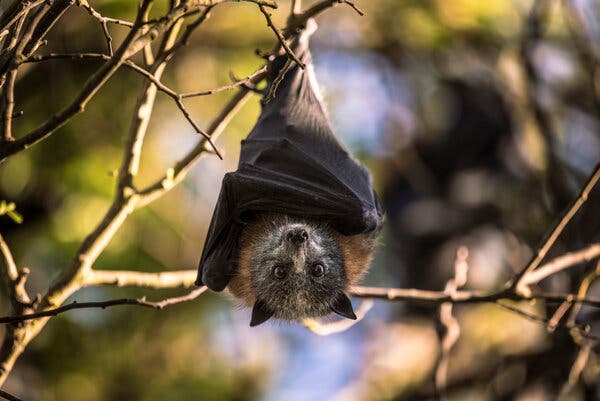
Bats are among the most misunderstood creatures on the planet. Often vilified as harbingers of disease, they are branded as carriers of the coronavirus and other pathogens, with a fear-driven narrative taking hold in public discourse. This scapegoating overshadows the crucial roles bats play in various ecosystems and their irreplaceable contributions to human society. Understanding why bats matter necessitates a deeper investigation into their biological significance and the human activities that imperil both bats and public health.
The reality is stark: while bats can host viruses, they are not the originators of human pandemics. The zoonotic transmission of pathogens is an intricate web, with wildlife often serving as the intermediaries between pathogens and humans. In tracing the origins of the coronavirus, it is imperative to examine the complex interaction between bats and their habitats rather than simplistically attributing blame. Deforestation, habitat destruction, and wildlife trafficking are significant contributors to increased human-animal interactions that facilitate the spillover of diseases.
The Ecological Importance of Bats
Bats are vital for the health of ecosystems across the globe. They are pollinators, seed dispersers, and natural pest controllers. The diet of many bat species primarily consists of insects; a single little brown bat can consume up to 1,200 mosquitoes in an hour. Such voracious appetites render bats invaluable allies in agricultural contexts, where they reduce the need for chemical pesticides, promote biodiversity, and support sustainable farming practices.
By consuming immense quantities of insects, bats cultivate a balanced ecosystem. In regions where bats are plentiful, agricultural yield often experiences a positive correlate with bat population. This relationship underscores the essential role bats play in maintaining agricultural productivity and ecosystem integrity.
The Role of Bats in Pollination and Seed Dispersal
Beyond their pest control capabilities, bats are exceptional pollinators. Species such as the Mexican long-tongued bat play pivotal roles in pollinating cacti, agave, and certain fruit trees. In fact, many of the fruits we relish, such as bananas and mangoes, rely on bats for their pollination. The intimate bond between bats and flora evokes a broader understanding of how sustaining bat populations directly equates to ensuring a robust food supply for humans.
Seed dispersal is another critical function served by bats. As frugivores, some bat species consume fruits and transport seeds over vast distances. This not only facilitates plant reproduction but also aids in reforestation efforts. As habitat destruction accelerates, the preservation of bats is instrumental in restoring and revitalizing ecosystems that have been degraded by human activity.
Human Activity: The Real Culprit
Blame for zoonotic diseases cannot rest solely on the shoulders of bats. Rather, it is imperative to look at the human behaviors and systemic issues that facilitate the transmission of viruses. Deforestation and land-use changes disrupt natural habitats and force wildlife into closer contact with human populations, creating a prime environment for disease emergence. Habitat fragmentation not only diminishes biodiversity but also intensifies human-wildlife interactions, raising the probability of zoonotic spillover events.
Moreover, the illegal wildlife trade exacerbates the risks associated with zoonotic diseases. When wildlife is captured and transported across regions and countries, the likelihood of disease transmission escalates. The markets that sell exotic animals, often in unsanitary conditions, create breeding grounds for pathogens, further jeopardizing public health. Bats often fall victim to this voracious trade, leading to population declines that only worsen the ecological imbalance.
Call to Action: Protecting Bats and Their Habitats
To safeguard both bats and human health, it is imperative to adopt a multi-faceted conservation approach. Protecting natural habitats through legislation and conservation programs is crucial. Establishing wildlife corridors and nature reserves not only preserves the ecosystems bats inhabit but also mitigates the risk of zoonotic disease transmission by allowing wildlife to thrive in their natural settings.
Public awareness campaigns can also play a significant role. Education surrounding the ecological benefits of bats can shift the narrative from one of fear to appreciation. Local communities should be engaged in bat conservation initiatives, forging a connection between humans and these remarkable creatures. Citizen science programs can empower individuals to participate in bat monitoring and habitat restoration efforts, making them active participants in conservation.
Conclusion: A Cooperative Future
In conclusion, bats are far more than the purveyors of disease they are often portrayed to be. Their ecological contributions are profound, rendering them indispensable to the balance of diverse ecosystems. Understanding that it is human activity—rather than bats—that drives disease emergence is a crucial step in reorienting our approach to wildlife conservation and public health. By directing our efforts toward habitat preservation, sustainable practices, and increased awareness, we can protect these vital creatures and, in turn, safeguard our own health. The adage holds true: we are intricately tied to the fate of the natural world, and the survival of bats directly influences our own wellbeing.









Leave a Comment