Australia, a nation characterized by vast landscapes and exquisite biodiversity, finds itself ensnared in a paradoxical reality. While it has garnered international attention for its stunning natural beauty, the country refuses to acknowledge the imperative shifts necessary to combat the escalating climate crisis. This reluctance is not merely anecdotal; it is entrenched in policy, politics, and cultural attitudes towards environmental stewardship. To understand why Australia clings stubbornly to a trajectory that many around the globe deem insufficient, we must peel back the layers of its socio-political fabric, economic motivations, and deeply rooted beliefs about land, industry, and identity.
At the heart of Australia’s hesitation lies a formidable political landscape rife with competing interests. The ruling government has often appeared disjointed in its climate initiatives, oscillating between aggressive fossil fuel promotion and inadequate transitional measures. Public statements by officials reveal a prevailing belief that economic growth hinges on the continued exploitation of resources, particularly fossil fuels, which significantly contribute to greenhouse gas emissions. This mindset reinforces the status quo, leading to a reluctance to implement robust climate action that might disrupt economic stability.
Moreover, Australia is blessed—some might say cursed—with an abundance of natural resources, including coal and natural gas. The fossil fuel industry is a powerful lobby, wielding substantial influence over policymakers. The economic ramifications of curtailing fossil fuel production have led to an implicit covenant: the omnipresent need for employment, revenue, and energy security often overshadows climate change imperatives. As a result, Australia’s economy remains heavily reliant on coal exports, positioning it as one of the world’s largest fossil fuel exporters.
The economic discourse is intertwined with another significant facet: the cultural identity surrounding land use. Many Australians view their land as a provider, a robust entity that should yield resources to benefit its populace. This perspective permeates public sentiment, creating an ambivalence towards the encroaching climate crisis. Those who advocate for sustainability often find themselves at odds with a national narrative that valorizes resource extraction and agricultural abundance, leaving them to navigate an uphill battle against deeply ingrained ideologies.
The effects of climate change have already begun to manifest in catastrophic ways, notably through severe bushfires, prolonged droughts, and marine degradation. The Black Summer Bushfires of 2019-2020 revealed a stark juxtaposition between the undeniable evidences of climate change and the governmental response: inadequate and piecemeal. As fires ravaged vast areas, claiming lives and property, the collective outcry for bold climate action gained momentum. Citizens rallied, voicing their frustration in enviable numbers. Yet, subsequent promises of reform vanished, devolving into ambiguous assurances that lacked substance.
Public perception remains a critical piece of this puzzle. While many Australians are acutely aware of the immediate dangers posed by climate change, a notable segment of the population appears ambivalent, influenced by misinformation and skepticism surrounding scientific findings. This divide often manifests in the political arena, where climate change is seen as a polarizing issue rather than a collective responsibility. The rise of right-wing populism has further complicated public discourse, as leaders rally against perceived elitism in climate advocacy, framing it as an urban versus rural conflict, which stymies consensus and collaborative action.
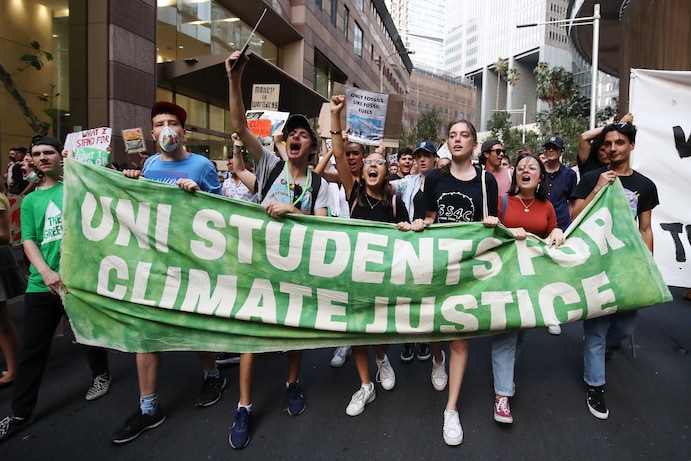
Despite these barriers, a palpable shift is simmering beneath the surface. An increasing number of advocacy groups are championing environmental campaigns that resonate with younger generations. This emerging activism cultivates a sense of urgency and possibility, inspiring citizens to navigate the narrative towards one that emphasizes responsibility and action over complacency. The palpable energy generated by the youth climate movement, coupled with calls for divestment from fossil fuels, signal that expectations are changing. Australians, particularly the younger demographic, envision a future that embraces renewable energy sources, sustainable practices, and leaving a less deleterious footprint for future generations.
Beyond the domestic challenges, Australia’s position on the global stage is also worth considering. The nation’s failure to take decisive action puts it at odds with its international commitments under the Paris Agreement, wherein countries pledged to limit global warming to well below 2°C. Australia’s conduct raises eyebrows and draws criticism from nations actively seeking climate justice. This disparity between rhetoric and action casts a shadow over the country’s reputation, contributing to a perception of neglect that cannot easily be remedied in diplomatic circles.
The narrative is ripe for transformation. The convergence of economic imperatives, cultural identity, political dynamics, and emerging activism presents a unique opportunity for Australia to redefine its approach to climate change. Would a lateral shift in perspective illuminate pathways towards sustainable development? It is within this realm of inquiry that tantalizing possibilities lie. Engaging all sectors of society, and particularly those who feel alienated by current discourses, may foster an inclusive dialogue that bridges divides.
Ultimately, Australia’s reticence stands as both a cautionary tale and a call to action. The gravity of climate change is unassailable, and the imperative for strong action resounds loudly. All eyes are on Australia; the world watches to see if the country will reorient itself toward a future wherein bold climate action is not just a goal but a well-charted path forward.








Leave a Comment