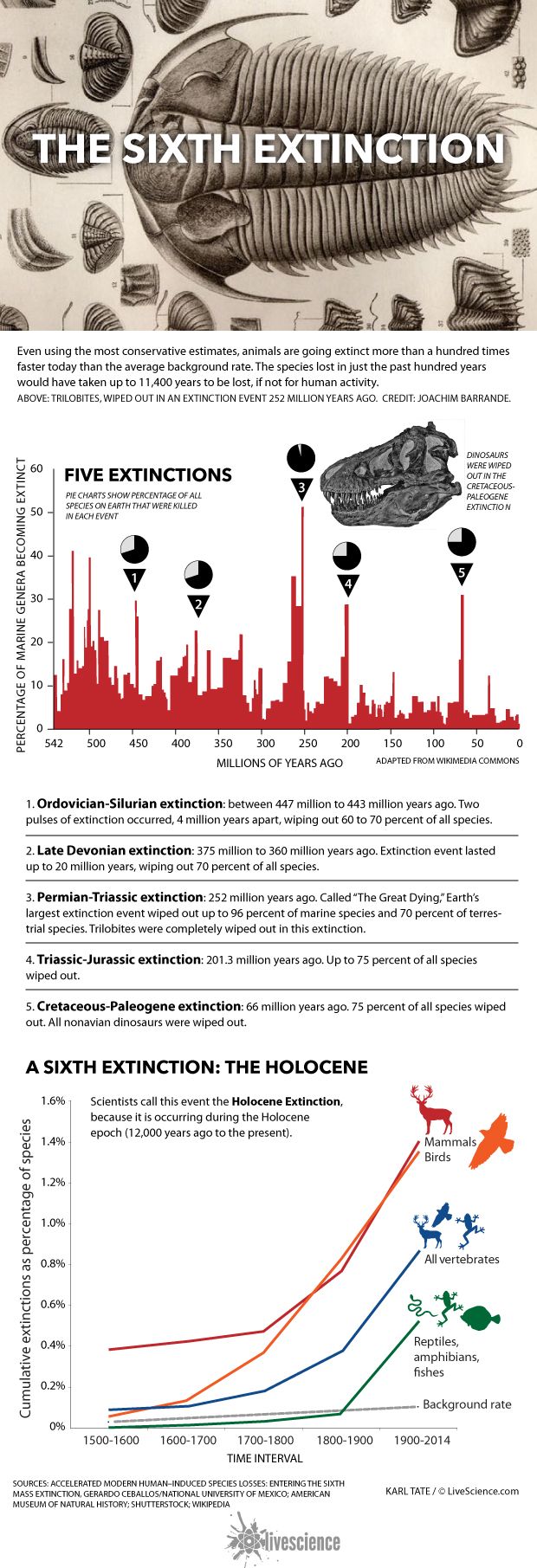
Have you ever dwelled on the thought of how the extinction of a single species ripples through the vast tapestry of life on Earth? Might it be that these extinctions evoke a sense of loss that transcends mere ecological metrics? People are undeniably affected, emotionally and psychologically, by the disappearance of animal species. This phenomenon, a complex interplay of human connection to nature and deep-seated biological impulses, merits examination. Understanding the emotional dimensions of animal extinction is essential, not only for wildlife conservationists but for anyone who cherishes the intricate web of life.
The most immediate emotional response to extinction often comes from a sense of grief. Imagine reading an article about the last known member of a species, a creature that has thrived for millennia, now reduced to a mere memory. This sorrow can be profound. Studies in psychology have shown that people often anthropomorphize animals, attributing human-like qualities, emotions, and characteristics to them. As a result, the loss of a species can evoke a visceral response akin to losing a friend. This emotional tumult aligns with our inherent empathy; after all, we share the planet with these creatures and their stories, often interwoven with our own.
Beyond personal grief, the extinction of fauna raises anxieties regarding environmental stability. Consider the butterfly effect—a single, seemingly insignificant butterfly flap can lead to variable consequences across an ecosystem. When a species disappears, it can trigger a cascade of effects. Certain plants may no longer be pollinated, predators may find themselves without prey, and the balance of ecosystems can be upended. This ecological alarm bell resonates on an emotional level—such changes challenge our perceptions of nature as resilient and self-regulating. How does one reconcile feelings of helplessness in the face of such irrevocable change?
Moreover, loss often invokes a lingering sense of nostalgia. Many people possess treasured memories tied to interactions with wildlife. A family camping trip infused with the sound of owls hooting in the night, or a childhood encounter with a vibrant butterfly can create a profound sense of connection to the natural world. As species fade into oblivion, they take with them the narratives, experiences, and defining moments of lives intertwined with them. This nostalgia transcends generations, enveloping cultures and histories in shared stories about the wilderness and what it means to humanity. Each lost species represents a chapter in the collective memory of human existence.
This leads us to a more philosophical consideration regarding the implications of extinction on our intrinsic values. There exists an undeniable moral obligation to safeguard the natural world however, these convictions often stem from deeper emotional ties. Our affinity for nature is not merely utilitarian; it is a symbiotic relationship forged over thousands of years. With each extinction, we grapple with questions of our role as stewards of the Earth. Are we, as the dominant species, falling short of our responsibility? This predicament can elicit guilt, anger, and frustration—powerful emotions that compel action.
Furthermore, as global citizens, we are recipients of a collective anxiety about the future. The looming specter of climate change, habitat destruction, and biodiversity loss triggers a fear that the planet is disintegrating before our very eyes. This concern extends beyond individual species to encompass the grand narrative of life itself. The loss of animals acts as a manifestation of broader environmental degradation, setting the stage for a crisis that threatens humanity’s wellbeing. Such realities can lead to feelings of doom, as we reflect on what the future may hold in the absence of the vibrant ecosystems we once adored.
But amidst this emotional turbulence, there is a flicker of hope. Awareness and advocacy have surged as people increasingly recognize the importance of biodiversity. Many dedicate their lives to conservation efforts, finding purpose in the fight to protect endangered species and restore their habitats. The emotional response to extinction can transform into action; as communities rally together, they foster a sense of unity and purpose. Collectively, individuals and organizations are empowered to mobilize resources, raise awareness, and drive meaningful change. This collective effort affirms our shared humanity, reinforcing that the emotional resonance of extinction can catalyze tangible conservation initiatives.
Within the realm of art and culture, the emotional ramifications of extinction find expression through literature, film, and the visual arts. Creative individuals often channel their grief and concern into evocative works that stir public sentiment and galvanize action. A poignant documentary showcasing endangered species can evoke tears and provoke thought, while a captivating painting of a once-thriving habitat serves as a reminder of the fragility of beauty. Engaging with these creative forms allows us to process our feelings surrounding destruction while simultaneously inspiring hope.
In conclusion, the emotional impact of animal extinctions is profound and multifaceted. From grief and nostalgia to empathy and collective responsibility, our responses are reflective of our intimate connections to the natural world. This emotional tapestry, though fraught with challenges, also offers a gateway to change. By channeling our feelings into advocacy and action, we can honor the memory of lost species and evoke a more profound respect for the biodiversity that remains. Perhaps the greatest challenge lies not in grappling with despair over extinction but rather in transforming that despair into a fervent commitment to protect the fragile life forms still inhabiting our planet. Only then can we hope to create a legacy of conservation and connection that resonates with future generations.







Leave a Comment