The greenhouse effect is a term that has become increasingly pervasive in our discussions about climate change, but what does it truly mean? Imagine—what if our planet were akin to an elegant glasshouse, nurturing life yet sometimes suffocating it under the pressures of excessive warmth? This analogy encapsulates a fundamental mechanism essential for sustaining life on Earth, yet poses significant challenges for its future.
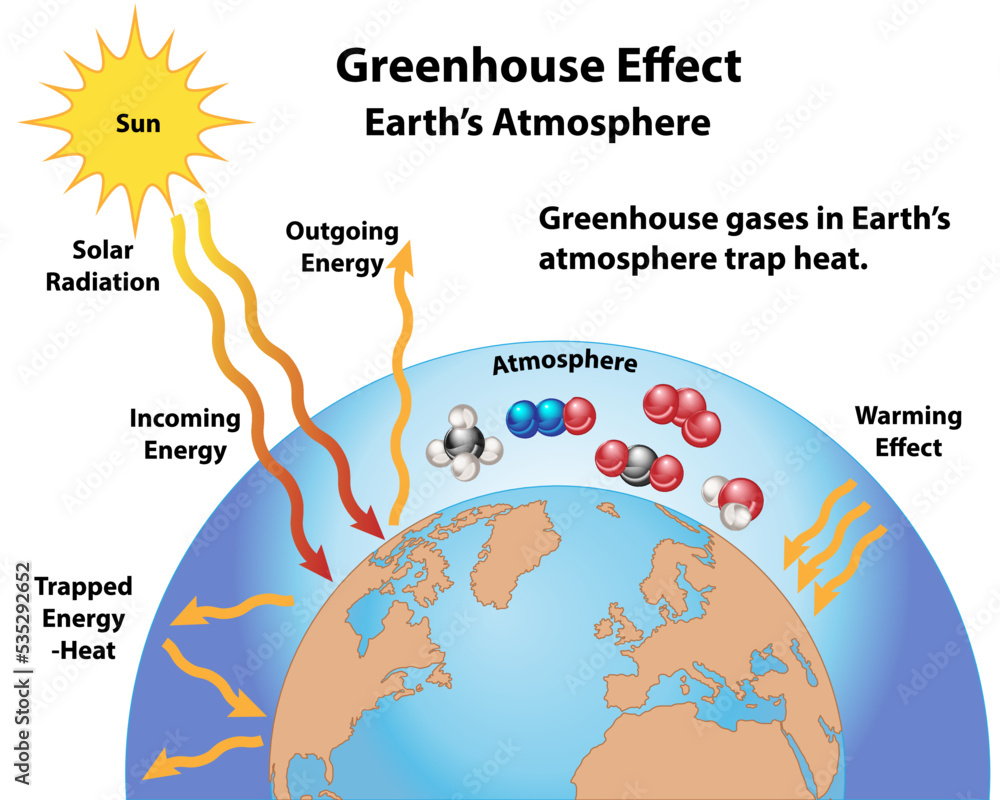
The greenhouse effect is essentially a natural phenomenon. It occurs when certain gases in our atmosphere trap heat from the sun, preventing it from escaping back into space. This heat retention is critical; without it, Earth would be a frigid, inhospitable environment, with an average temperature around -18 degrees Celsius (0 degrees Fahrenheit). Instead, because of this vital mechanism, we enjoy a habitable planet that possesses an average temperature of approximately 15 degrees Celsius (59 degrees Fahrenheit).
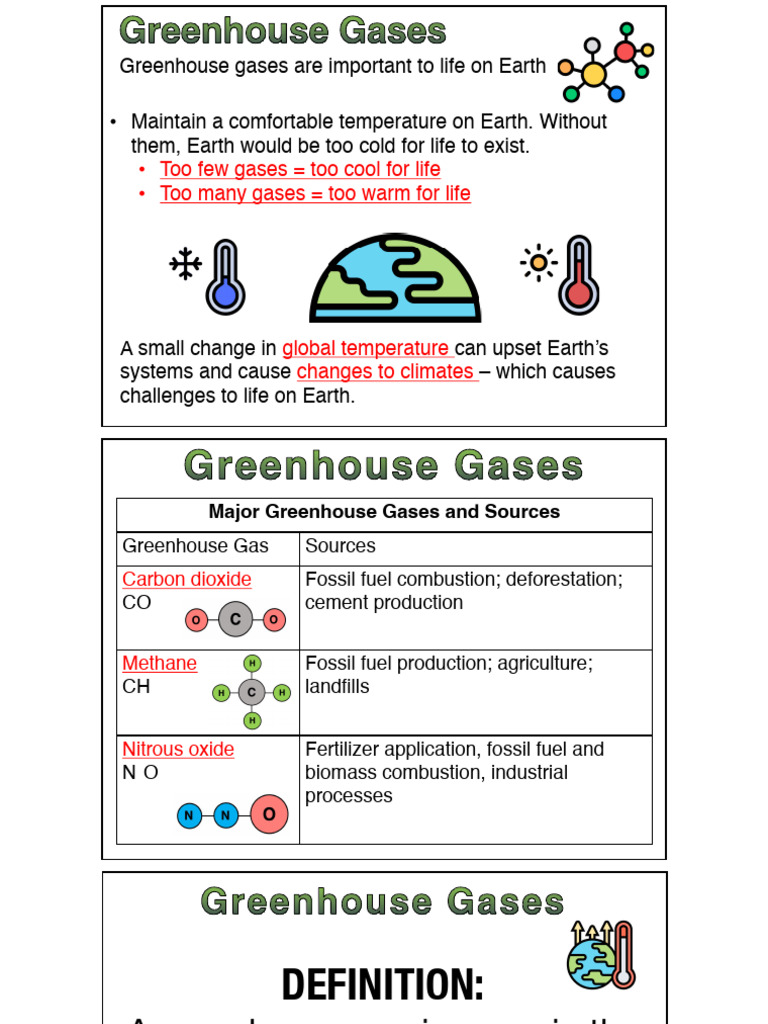
At the heart of the greenhouse effect are greenhouse gases—carbon dioxide (CO2), methane (CH4), nitrous oxide (N2O), and water vapor, among others. These gases are the culprits responsible for this natural insulation. They allow sunlight to enter the atmosphere, but they absorb and re-radiate the heat, creating a warming blanket around the Earth. This process not only keeps temperatures steady but also regulates vital ecological cycles, including the water cycle, photosynthesis, and even animal migration patterns.
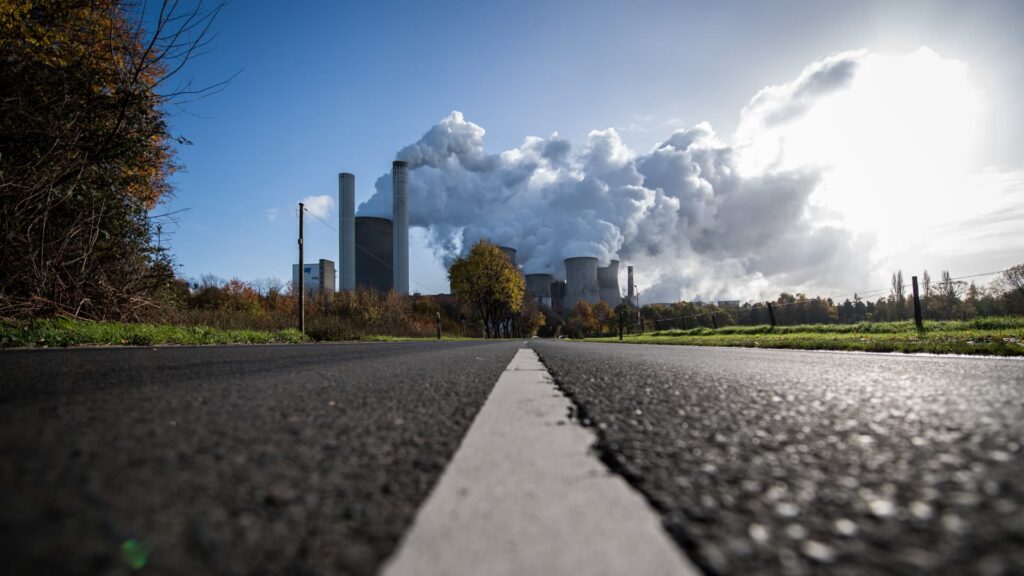
However, while the greenhouse effect is indispensable, it becomes a double-edged sword when we consider human activity. Over the past century, industrialization has significantly escalated the concentrations of these greenhouse gases. Activities such as burning fossil fuels, deforestation, and large-scale agriculture contribute immensely to this problem. Consequently, we find ourselves entangled in a ferocious challenge: the enhanced greenhouse effect, where excessive amounts of gases are trapping more heat than the planet can manage, thereby leading to global warming.
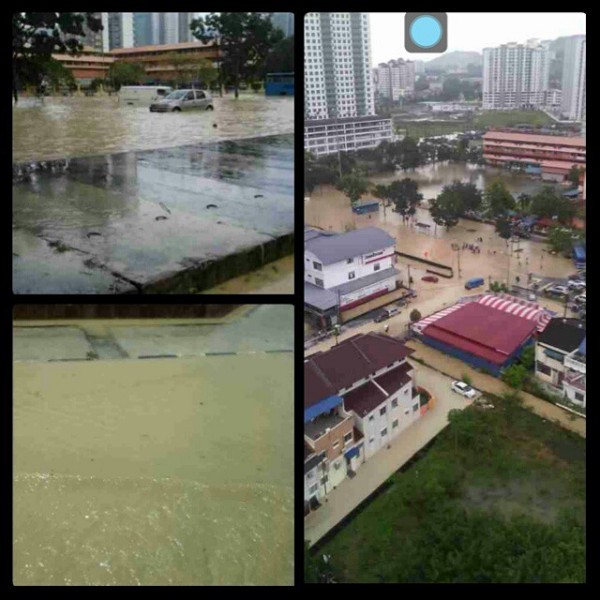
What does global warming entail? Picture this: rising sea levels, erratic weather patterns, and increasingly severe natural disasters. The implications are dire and pervasive, affecting ecosystems, biodiversity, and human life. Extreme weather events, such as hurricanes, droughts, and floods, which were once categorized as anomalies, are becoming alarmingly commonplace. Such changes disrupt food production, threaten water supplies, and exacerbate public health crises, presenting multifaceted challenges for societies worldwide.
The challenge posed by the enhanced greenhouse effect goes beyond just rising temperatures; it threatens to alter ecosystems irrevocably. Entire species risk extinction as they struggle to adapt to rapidly changing habitats. Coral reefs, dubbed the rainforests of the sea, are suffering from bleaching due to rising ocean temperatures and acidification. These ecosystems serve not only as homes for diverse marine life but also play a crucial role in carbon sequestration. When they perish, the cycle of carbon release intensifies, further contributing to global warming.
Moreover, consider the human dimension. Vulnerable communities, often least responsible for the emissions that exacerbate climate change, bear the brunt of its impacts. Low-lying coastal areas, indigenous populations, and those relying on agriculture for sustenance are particularly at risk. Not only does this lead to socioeconomic disparities, but it instigates geopolitical tensions as resources dwindle and regions become contested grounds.
In examining the greenhouse effect, one must also grapple with the reality of mitigation. Transitioning to renewable energy sources—solar, wind, and hydroelectric—is a pivotal step toward curtailing our greenhouse gas emissions. Increasing energy efficiency and embracing sustainable practices across sectors can yield significant returns. Imagine a future where electric vehicles dominate our roads, where homes are powered by sun and wind, and where agricultural practices harmonize with nature, prioritizing biodiversity over monoculture.
The potential for revolutionary change lies in collective action. Advocacy, education, and individual responsibility can cultivate a formidable resistance against climate change. By supporting policies aimed at reducing carbon footprints and engaging in sustainable practices, each person can contribute to a larger movement. Every effort counts: reducing waste, conserving energy, and supporting local initiatives can generate ripples of change, galvanizing others to join the cause.
What if we reimagined our relationship with the environment? What if we treated Earth not merely as a resource to exploit but as a partner to cherish? Sustainability should not feel like a sacrifice; it can stimulate innovation and creativity, spurring a green economy that produces jobs and protects the planet. The challenges posed by the greenhouse effect are formidable, yet they present us with an opportunity to forge a more resilient future.
In conclusion, understanding the greenhouse effect in its complexities is crucial for confronting climate change head-on. It portrays a narrative of balance and imbalance, of necessity and excess. Through informed action and collective engagement, we can mitigate the adverse effects of this natural process gone awry. While the challenges may appear daunting, they are not insurmountable. The question remains: are we willing to embrace this challenge and redefine our coexistence with the world around us?





Leave a Comment