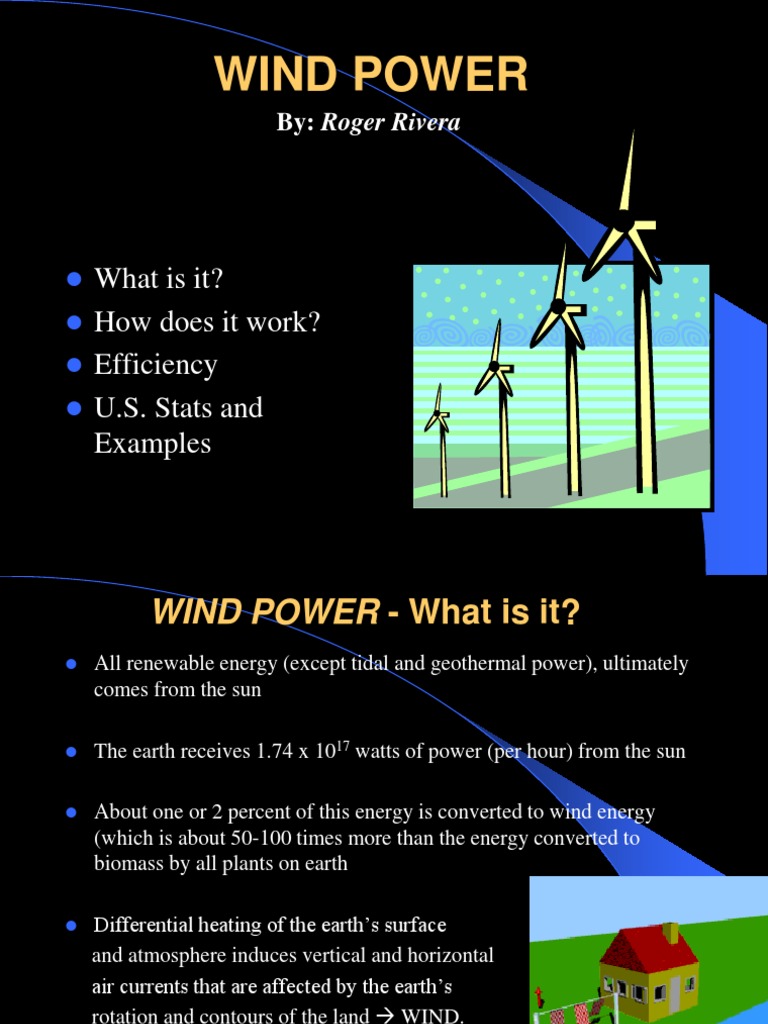
Wind power, an ethereal dance between nature and innovation, manifests itself in the gentle rustling of foliage and the majestic rotation of colossal turbines. This phenomenon harnesses the kinetic energy of moving air, transmuting it into a substantial source of electricity. With a growing emphasis on sustainable practices, understanding wind power is pivotal to addressing the environmental dilemmas of our time. At its core, wind power is as much about the interplay of air currents as it is about the technology that captures that invisible potential.
To grasp the essence of wind power, one might visualize it as a great maestro conducting an orchestra. The wind, in its capricious nature, creates melodies of movement and sound, while wind turbines serve as the instruments transforming that symphony into harmonious energy. Just as a conductor channels music into resonance, so too do wind turbines convert the erratic breezes into a steady flow of electricity.
The underpinnings of wind power lie in the principles of physics. The unpredictability of wind is akin to life itself; it ebbs and flows, yielding boisterous gusts one moment and gentle breezes the next. This variability is vital, as it is this very energy in motion that drives the blades of a turbine. When the wind causes these blades to turn, they perform a magical choreography that converts mechanical energy into electrical energy through a generator. This mechanical ballet is the heart of wind energy technology, demonstrating how nature’s whimsy can be transformed into a dependable source of power.
At this juncture, it is paramount to consider the architectural marvels that are wind turbines. Standing tall against the horizon, these machines are more than mere structures; they are symbols of humanity’s commitment to a sustainable future. The average turbine stands between 200 to 300 feet high, soaring above the landscape like sentinels of progress. Their sleek, aerodynamic designs minimize resistance and maximize efficiency, reminiscent of the wings of an albatross gliding effortlessly over the ocean.
The locations where wind turbines are sited are carefully chosen, akin to selecting the perfect stage for a performance. Areas with consistent and strong winds, such as coastal regions, open plains, and mountain passes, serve as ideal venues for these installations. The strategic placement of these turbines ensures that they capture the maximum amount of wind energy, echoing the careful planning of an architect designing a concert hall for optimal acoustics.
However, one must not overlook the environmental implications of wind power. As society stands at the precipice of ecological change, the urgency of adopting cleaner energy sources cannot be overstated. Wind power emerges as a viable alternative to fossil fuels, significantly reducing greenhouse gas emissions. In this context, wind energy acts as a balm for a planet in distress. By investing in wind energy infrastructure, societies cultivate a garden of sustainability where both nature and humanity can thrive symbiotically.
It is equally crucial to acknowledge the challenges inherent in wind power. The intermittent nature of wind can lead to fluctuations in energy supply, often likened to the unpredictability of a fickle muse. This variability necessitates the development of robust energy storage solutions and complementary systems to balance the grid. As technology advances, innovative solutions such as battery storage and smart grid technologies are progressively addressed, fostering resilience in wind energy systems.
Moreover, the integration of wind power into existing energy frameworks requires extensive planning and investment. Stakeholders must navigate regulatory landscapes and community concerns, akin to negotiating the intricate tapestry of cultural narratives that define a community. Nurturing public support through education and transparency is essential to foster acceptance and participation. After all, empowering individuals with knowledge transforms skepticism into advocacy, nurturing a collective movement towards sustainability.
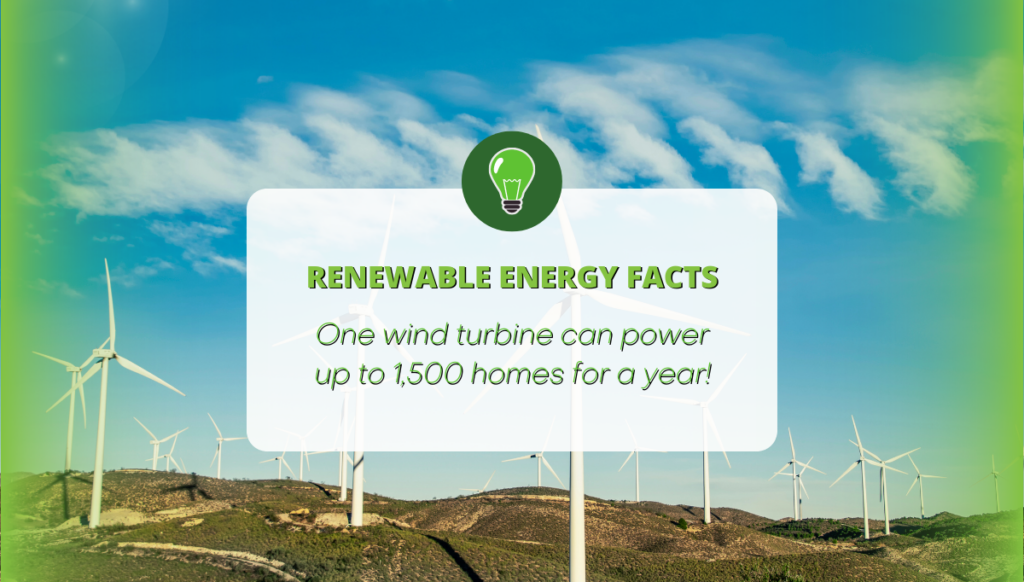
Wind power is not merely an alternative energy source; it is a harbinger of hope. Each spinning blade represents a departure from reliance on finite resources, ushering in an era illuminated by renewable energy. As we gaze upon spinning turbines against the backdrop of a clear blue sky, we must recognize the collective efforts required to sustain this momentum. The adoption of wind power calls for a chorus of voices, united in purpose, each contributing to a crescendo of environmental responsibility.
In conclusion, wind power encapsulates the convergence of nature’s prowess and human ingenuity. It elucidates a narrative in which we no longer exploit the Earth for energy but rather dance alongside it. As these turbines effortlessly capture the breath of the Earth, they empower societies to redefine their relationship with energy. With every gust of wind, we are reminded of the potential within the air we breathe, a boundless resource waiting to be harnessed for generations to come. The journey towards a sustainable future may be fraught with challenges, but with wind power leading the way, it is a journey worth taking.






Leave a Comment