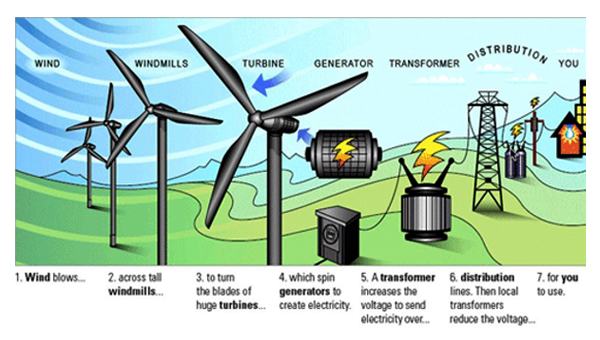
Wind energy, an oft-overlooked yet vital component of the sustainable energy tableau, captures the essence of nature’s inexorable forces. Imagine standing atop a hill, feeling the invigorating breeze on your face, and realized that this dynamic flow of air holds the potential to illuminate your home. This tantalizing question surfaces: How exactly does that ethereal breeze transform into tangible electricity? Understanding wind energy and its generation unveils an inspiring tale of ingenuity, science, and sustainability.
To engage with this narrative, it is essential to grasp what wind energy is at its core. Wind energy is the kinetic energy harnessed from atmospheric winds, which are the result of solar heating on Earth, creating movement in the air. This energy is predictable, renewable, and non-polluting, setting the stage for a greener planet. Furthermore, it cannot be exhausted or depleted. However, parsing the intricacies of wind energy generation may unearth some challenges that we must confront as we progress into a future reliant on renewables.
At the heart of wind energy generation lies the wind turbine, an architectural marvel that converts kinetic energy into mechanical energy, and subsequently into electrical energy. Picture towering giants, with blades stretching towards the heavens, rotating gracefully to harness the wind’s potential. Assessing the operational mechanics requires understanding how these turbines convert wind flow into energy through a two-pronged approach: slow-moving air that drives the turbine blades and generates rotational energy, followed by complex electrical systems that transform that mechanical movement into electricity.
When the wind whips past turbine blades, it induces lift, causing them to rotate. Central to this process is the rotor, which consists of blades attached to a hub. Most turbines utilize a three-blade design because this configuration optimizes aerodynamics and efficiency. The rotation of the rotor spins a shaft connected to a gearbox, which amplifies the rotational speed. This amplified motion moves the generator, a device nestled within the turbine’s nacelle that converts mechanical energy into electrical energy through electromagnetic induction.
This transformation process, while seemingly straightforward, involves intricate engineering designed to maximize efficiency and output. The size of turbine blades significantly impacts energy production; larger blades can capture more wind energy, especially at higher altitudes. However, these imposing structures pose significant challenges in terms of logistics, installation, and maintenance—issues that stakeholders must navigate as wind energy adoption expands.
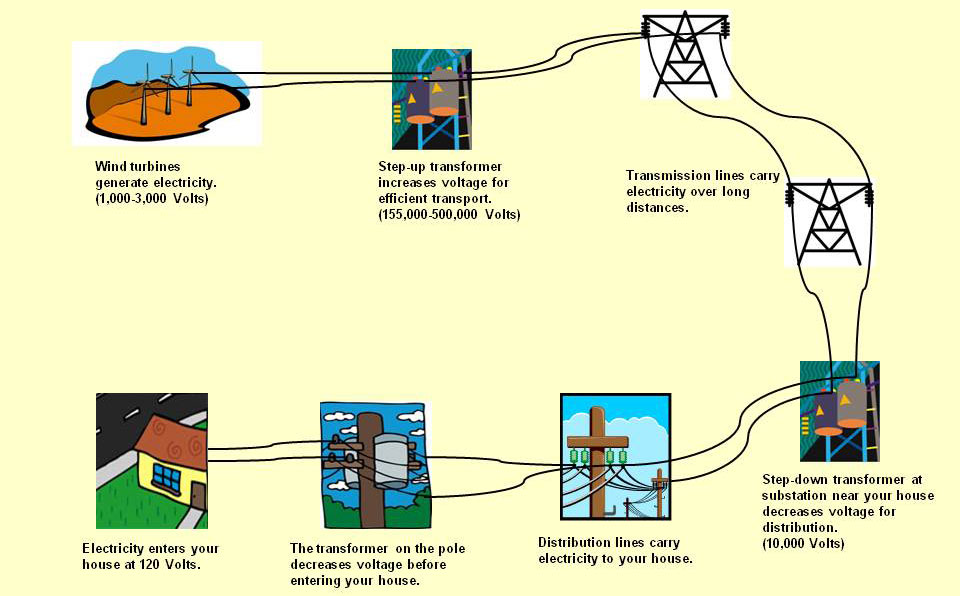
Following the generation of electricity, the next crucial step involves transmission. The electricity produced is sent through power lines to substations, where the voltage is adjusted to facilitate distribution. However, the geographic limitations of wind farms—typically situated in remote or rural areas—introduce another layer of complexity. Infrastructure must be developed and maintained to transport this energy from remote locations to urban centers where demand is highest. This can generate contention over land use, aesthetic concerns, and environmental impact, posing an ongoing challenge for energy developers and environmentalists alike.
As the anticipation surrounding wind energy burgeons, we must also consider the challenges that arise from its source: the wind itself. Wind is inherently fickle—blustering fiercely one moment and languishing in stillness the next, leading to fluctuations in energy production. This variability necessitates robust grid management strategies and supplemental energy sources to ensure a stable supply. Additionally, advancements in energy storage technologies, such as batteries, have become paramount to mitigating the intermittent nature of wind energy. These innovations present exciting opportunities, but their integration into existing systems requires considerable investment and infrastructure overhaul.
Challenges also emanate from ecological considerations. Wind farms can impact local wildlife, particularly avian populations. Bird and bat mortality due to turbine collisions has fostered a complex debate about the environmental trade-offs of renewable energy. The development of technology aimed at reducing these impacts, such as intuitive turbine designs or “smart” turbines that detect wildlife and shut off when necessary, demonstrates the evolving nature of this field, balancing ecological conscience with energy demand.
Moreover, the societal implications of wind energy cannot be overlooked. Communities often grapple with the aesthetics of wind farms—what one person may view as a beautiful testament to innovation, another may perceive as an eyesore. Engaging local populations early in the planning stages through education and dialogue can alleviate concerns and foster a sense of shared ownership over renewable energy projects. Bonding over the common goal of sustainability can inspire community action, reinforcing the importance of inclusivity in energy planning.
As we stand on the cusp of a critical turning point in energy production, possessing a comprehensive understanding of wind energy and its generation is paramount. Wind energy presents not only the promise of low-carbon electricity but also invites a host of challenges that demand collaborative solutions. The question beckons, can we harness this natural force and mitigate the challenges to create a sustainable energy ecosystem for future generations? Embracing this challenge requires unwavering commitment, innovative engineering, and societal perseverance, all while nurturing the equilibrium between nature and modern civilization.
In conclusion, the journey from a gentle breeze to illuminated homes encapsulates the remarkable potential that wind energy harbors. By embracing the complexities of wind energy generation, recognizing its limitations, and addressing the societal and environmental considerations, it is possible to chart a course toward a sustainable future, where the winds of change propel us into a brighter tomorrow.






Leave a Comment