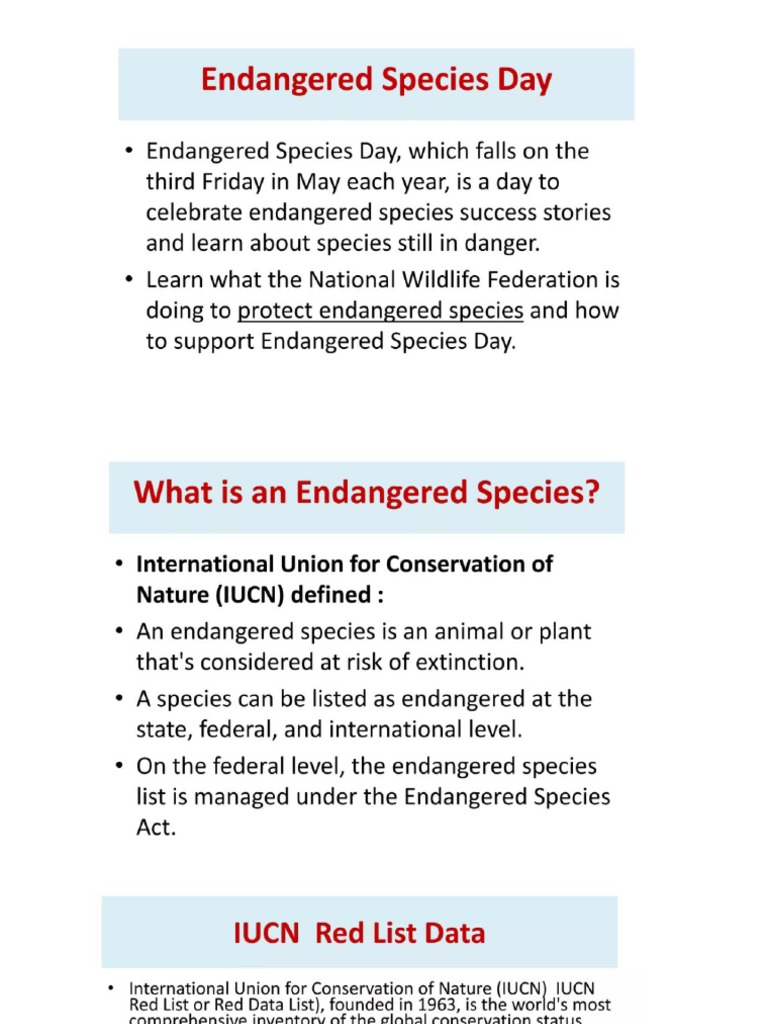
The delicate web of life that supports our planet is being threatened by the specter of extinction. Every year, countless species dwindle in number, their habitats encroached upon, and their survival imperiled. To combat this alarming trend, the Endangered Species List serves as both a beacon of hope and a call to action for conservationists, lawmakers, and laypersons alike. But what exactly is the Endangered Species List, and how does one come to be included on it?
The Endangered Species List is a comprehensive roster of species that have been categorized as either threatened or endangered. These classifications indicate their risk of extinction in the foreseeable future. The production of this list is not a simple, haphazard affair; it is a meticulous process grounded in rigorous scientific research and legislation designed to protect biodiversity. This list is a crucial tool for global conservation efforts and emphasizes the urgent necessity of safeguarding our planet’s natural heritage.
To fully understand the intricacies of the Endangered Species List, one must first delve into its origins. Established under the Endangered Species Act (ESA) of 1973 in the United States, the purpose of the list is to provide protections for species that find themselves on the precipice of extinction due to a variety of factors, including habitat destruction, pollution, climate change, and poaching. The ESA empowers the U.S. Fish and Wildlife Service (USFWS) and the National Oceanic and Atmospheric Administration (NOAA) to carry out assessments, propose regulations, and enforce laws pertaining to the conservation of these species.
Creating the Endangered Species List involves a multifaceted process. Initially, a species is identified based on evidence suggesting that its population is in decline. This may stem from scientific studies, reports from conservation organizations, or public recommendations. The call for inclusion can come from various stakeholders, including wildlife biologists, environmentalists, and even concerned citizens. Once nominated, the species undergoes an extensive evaluation process.
The evaluation focuses on several key factors that can affect the species’ status. These aspects include, but are not limited to, the present population size, rate of decline, geographic distribution, and threats from environmental and anthropogenic activities. Scientists and conservationists assess both historical and current data to paint a complete portrait of the species in question. This includes gathering information from a plethora of sources such as field studies, population surveys, and genetic analyses.
Once the extensive data is compiled, it is analyzed to determine whether the species meets the criteria for listing under the ESA. The legislation employs a set of guidelines to define “endangered” and “threatened.” An endangered species is one that is in imminent danger of extinction throughout all or a significant portion of its range, whereas a threatened species is likely to become endangered in the foreseeable future. This distinction is pivotal, as it influences the specific conservation approach that will be applied.
After the initial assessment, a proposed rule is published in the Federal Register, inviting public comment. This engagement is critical; the voices of the community can add layers of insight and urgency to the raw data. The period for public commentary allows for a collaborative approach, ensuring that the final decision reflects a broad spectrum of insights and concerns. Following this period, the relevant agencies review the comments and finalize the listing decision. This phase highlights an essential truth: effective conservation is a collective endeavor, necessitating the combined efforts of scientists, policymakers, and the public.
Following a species’ inclusion on the Endangered Species List, an array of protections is enacted. These protections can vary but typically include habitat conservation, restrictions on hunting or capturing the species, and initiatives aimed at recovering populations. The enforcement of these measures is vital and often requires inter-agency cooperation, as well as collaboration with non-governmental organizations and local communities.
However, challenges abound. The process of evaluating and listing species can be arduous and time-consuming. Resource limitations and political variables can hinder timely decisions, prolonging the plight of species at risk. Moreover, the listing may provoke opposition from various stakeholders, including industries that rely on the land or resources where these species reside. Such tensions necessitate ongoing dialogue and compromise, emphasizing the intricate balance between ecological preservation and economic interests.
But why should we care? The implications of losing species reach far beyond individual animals or plants; they erode the very ecosystem services that sustain human life. Biodiversity contributes to food security, climate regulation, and disease resilience. The loss of any species can have a ripple effect, leading to greater ecological instability. Thus, the Endangered Species List is not merely a catalog; it reflects the fragility of our planetary future and our collective responsibility in safeguarding it.
In conclusion, the Endangered Species List emerges as a vital instrument in the conservation arsenal. Its creation is a structured, scientific endeavor that hinges on data, public engagement, and regulatory action. The fight to keep species off this list is a continuous battle against numerous threats, yet every successful inclusion sends a resounding message: we must act before it is too late. Each entry on the list is a reminder of what is at stake and a call to reevaluate our relationship with the natural world. Contemplation of this list invites an introspective examination of our role in the ecological tapestry that envelops us. As we grapple with a rapidly changing environment, the time to renew our commitment to the preservation of life in all its forms is now.








Leave a Comment