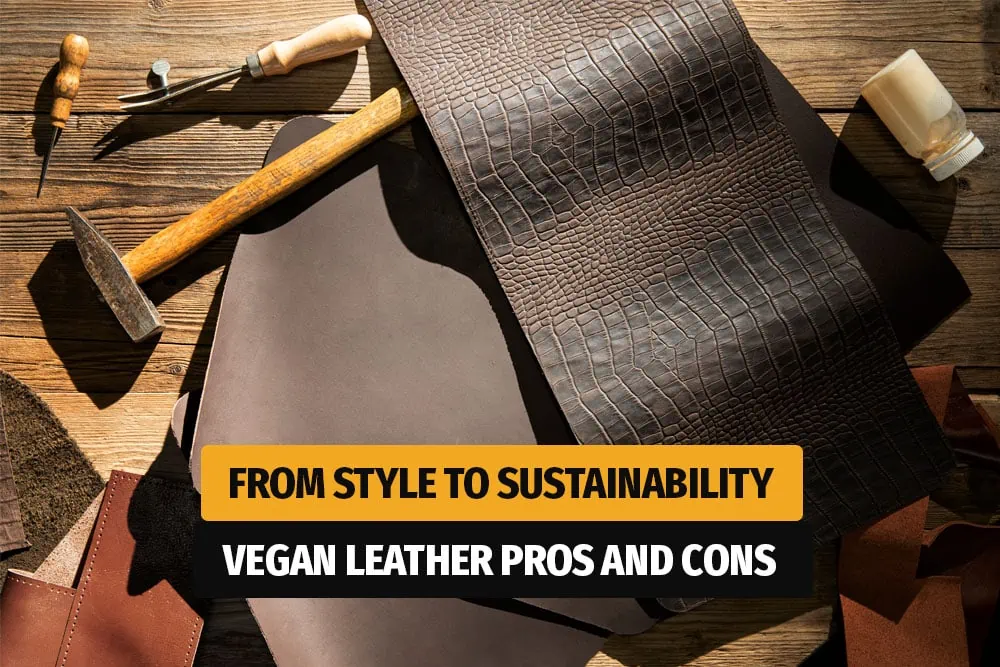
In the sophisticated tapestry of consumer choices, vegan leather emerges as a vibrant thread, interwoven with aspirations of sustainability and ethical consumption. This material, an intriguing alternative to traditional leather, invites scrutiny—much like examining a mosaic under a magnifying glass. Is it a revolutionary breakthrough in sustainable fashion, or is it merely a masquerade, cloaked in good intentions? As we delve into the pros and cons of vegan leather, we embark on a journey through an unfolding narrative of innovation and compromise.
Vegan leather, often fashioned from synthetic materials such as polyurethane (PU) or polyvinyl chloride (PVC), seeks to liberate fashion enthusiasts from the shackles of animal-derived products. Yet, this liberation comes with a tapestry of complexities. Let us first explore the sustainability advantages that vegan leather brings to the table.
To begin with, the most compelling pro is the ethical dimension. Choosing vegan leather signifies a refusal to engage in the often grim narratives tied to animal exploitation. The leather industry is notorious for its myriad of ethical quandaries—from the inhumane treatment of livestock to the dire environmental consequences of cattle farming. By opting for vegan leather, consumers take a stand against these injustices, embracing a more compassionate lifestyle. It’s akin to planting a flag on a newfound territory of conscious consumerism.
Furthermore, vegan leather often utilizes less water than traditional leather. The production of cattle requires vast amounts of water for grazing and sustaining livestock. In contrast, many vegan leather alternatives can be produced with significantly less resource-intensive processes. This conservation of water is a crucial aspect in regions where droughts are increasingly becoming the norm, making vegan leather not just a trendy choice, but a necessary one.
Another feather in the cap of vegan leather is its reduced greenhouse gas emissions. The production of animal leather is linked to substantial carbon output due to methane emissions from livestock. By shifting to plant-based or synthetic alternatives, we potentially mitigate these emissions. The narrative here shifts from one of passive consumption to proactive engagement in addressing climate change.
However, even the brightest flame casts shadows. The very materials that constitute vegan leather often harbor their own environmental dilemmas. Many mainstream vegan leathers are crafted from synthetic materials like PVC, which poses grave ecological concerns. The production of PVC is notoriously toxic, plagued by harmful chemicals that can leach into ecosystems, damaging wildlife and ecosystems alike. It is indeed a paradox: while vegan leather aims at sustainability, its material components can unravel environmental catastrophes.
Secondly, the durability of vegan leather often pales in comparison to that of real leather. Traditional leather boasts a longevity that synthetic alternatives struggle to replicate. Over time, vegan leather items may succumb to wear and tear more quickly, leading to a higher replacement rate. This cycle prompts us to ask—does choosing the seemingly eco-friendly option ultimately contribute to more waste in landfills? An important query for conscious consumers navigating the maze of ethical fashion.
Moreover, there exists the notion of “greenwashing,” where brands may tout their vegan leather products as wholly sustainable while neglecting to address the underlying environmental consequences. It is paramount for consumers to wade through marketing jargon with a discerning eye, understanding that the term “vegan” does not inherently equate to sustainable. The distinction between appearance and reality can often be as murky as the waters of a polluted river.
When considering alternatives, one cannot overlook the burgeoning development of biodegradable materials. Innovations in the eco-fashion realm have led to the emergence of vegan leathers from natural resources such as mushrooms, cork, and even pineapple leaves. Such materials offer not only an aesthetic appeal but also a reduced ecological footprint, merging sustainability with style. Herein lies a beacon of hope, a tantalizing glimpse into a future where the dichotomy between fashion and sustainability collapses into harmony.
As we traverse the spectrum of vegan leather’s pros and cons, it becomes evident that this material symbolizes more than just an alternative to animal products. It encapsulates an ongoing dialogue surrounding our environmental responsibilities. It engenders a moral reckoning, reframing the narrative of consumption as a potent act of agency. The choices we make ripple outward, influencing industries and communities across the globe.
The allure of vegan leather lures many, enchanting them with promises of ethical production and environmental mindfulness. Yet, it also challenges us to scrutinize those promises, to hold them up to the light and see them for what they are—fluctuating currencies in the currency exchange of consumerism. As we peel back the layers, much like the proverbial onion, it becomes crucial to weigh each advantage against its corresponding disadvantage, crafting a balanced perspective.
Ultimately, the narrative of vegan leather is not simply a tale of two sides but rather an intricate web of choices, sacrifices, and aspirations. It is an invitation not just to fashion consciousness but to a broader understanding of our place within the ecosystem. As environmental advocates, it is our responsibility to enliven this dialogue, fostering an informed populace that understands the weight of their choices. This nuanced exploration challenges us to envision a future where ethical consumption is the norm, rather than the exception. The path ahead may be fraught with obstacles, but in solidarity, we can forge a more sustainable future—one carefully crafted decision at a time.









Leave a Comment