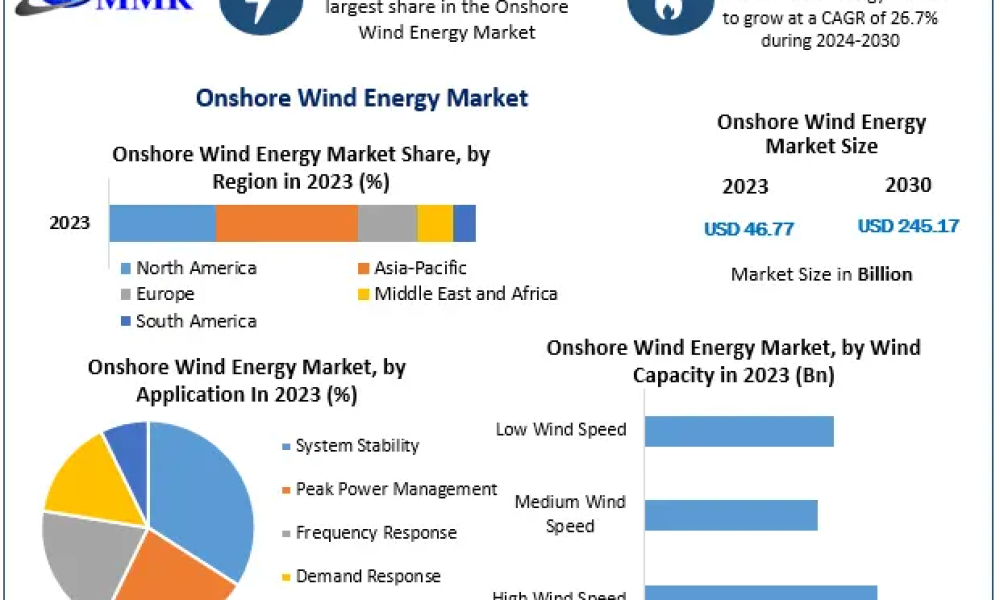
The global vitality of the onshore wind energy market stands as a testament to humanity’s persistent endeavor to harness the relentless power of the natural world. With projections indicating an astounding growth trajectory towards USD 245.17 billion by 2030, one cannot help but delve deeper into the intricacies of this burgeoning sector. Intricate yet compelling, the onshore wind energy market captivates not just with its quantitative potential but with the qualitative transformations it promises for our planet and society as a whole.
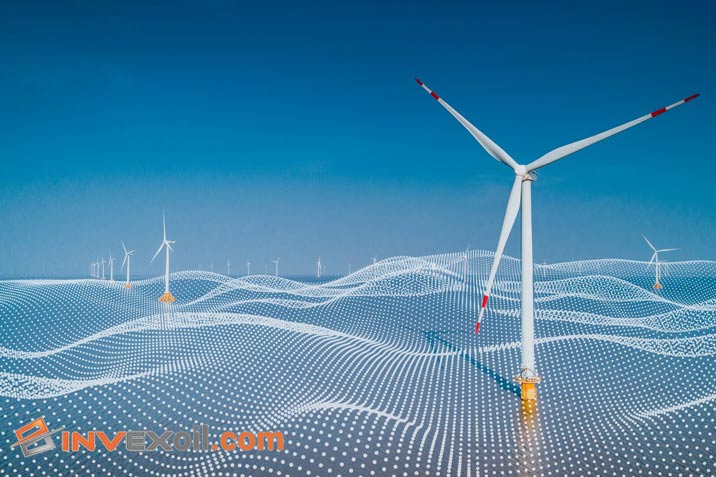
At the heart of this fascination lies the technology itself. Wind turbines, with their towering blades and intricate machinations, arise as symbols of human ingenuity and ecological stewardship. Yet beneath this surface allure rests a complex interplay of factors driving their proliferation. As societies grapple with the insidious implications of climate change, the momentum behind wind energy emerges not merely from an environmental imperative but from an economic and social awakening.
Initially, it is essential to acknowledge the prevailing environmental conditions catalyzing the shift towards wind energy. Increasing temperatures, erratic weather patterns, and the unmistakable urgency of fossil fuel depletion compel nations to explore renewable energy alternatives. Whereas traditional energy sources epitomize instability, the wind—an inexhaustible and free resource—offers unparalleled reliability. The juxtaposition of rising emissions and dwindling natural reserves forms the backdrop against which the wind energy market flourishes.
Moreover, the financial considerations of wind energy cannot be understated. The initial capital investment may appear daunting, yet the long-term cost-effectiveness emerges as a compelling incentive. Unlike fossil fuels, which are susceptible to market volatility, wind energy operates on a cost structure that remains significantly stable over time. Economies of scale within the industry have led to a drastic reduction in the cost of wind energy production, affording it a competitive edge against conventional energy sources. This factor is amplified by government incentives and subsidies, fostering investment within the sector.
Employment generation further enriches the narrative surrounding the onshore wind energy market. The transition toward a cleaner energy future is not solely an ecological endeavor; it epitomizes a paradigm shift in labor dynamics. The installation, maintenance, and operation of wind farms have engendered myriad job opportunities across skilled sectors. In regions that once relied heavily on declining industries, the winds of change have ushered in hope and economic revival. Such transformations evoke a sense of allegiance among communities, promoting a shared commitment to sustainability.
Moving beyond economic ramifications, the societal implications of onshore wind energy merit consideration. The democratization of energy production emerges as one of its most profound attributes. With the capacity for decentralized energy generation, wind energy invites local communities to reclaim agency over their energy sources. No longer beholden to distant suppliers or monopolistic corporations, citizens can engage in local energy initiatives. This empowerment nurtures a sense of stewardship toward the environment, fostering an ethos of sustainability that propagates through generations.
However, the journey toward a wind-driven future is not without its challenges. Navigating the territory of land use conflicts and ecological impacts requires a considered approach. The siting of wind farms necessitates a delicate balance between energy production and ecological integrity. Bird and bat fatalities, as well as disturbances to local habitats, present serious considerations for developers and policymakers alike. Rigorous environmental assessments are critical to ensure that progress does not come at the expense of biodiversity.
Moreover, public perception plays a pivotal role in shaping the trajectory of the wind energy market. While many champions of renewable energy extol the virtues of onshore wind, a segment of the populace remains reticent, reflecting concerns over noise, aesthetic impacts, and land use. Engaging communities in meaningful dialogues can bridge these divides, addressing fears and misconceptions while fostering transparency. The essence of sustainable energy lies not solely in technological advancement but in the cultivation of societal acceptance and shared goals.
The global onshore wind energy market is also intricately woven into the tapestry of international relations and policy frameworks. Countries embarking on ambitious climate goals often find themselves in a race to innovate and invest in renewable energy sources. As nations collaborate on renewable energy protocols and emissions targets, the wind energy sector emerges as a cornerstone of future energy dialogues. Regional disparities in wind resources provide fertile ground for international cooperation, inviting countries to share technological advancements and best practices that can elevate the entire sector.
Lastly, the onshore wind energy market embodies a broader philosophical discourse about humanity’s relationship with nature. In a world that has often surrendered to the dominance of industrialism, the embrace of wind energy signifies a reawakening to the principles of harmony and respect for ecological systems. Amidst the mechanical whir of turbines turning in the breeze, one can find an invitation to reconsider not just our energy choices but our deeply embedded values regarding nature, progress, and sustainability.
In conclusion, the onshore wind energy market encapsulates a multifaceted narrative that transcends mere statistics. It intertwines technological advancement, economic viability, societal progress, environmental stewardship, and the nuances of human perception. As we stand on the precipice of a renewable energy revolution, the winds of change beckon with promises of a sustainable future—a future where the whirring blades of wind turbines herald not just power but the potential for a more harmonious existence with the Earth.





Leave a Comment