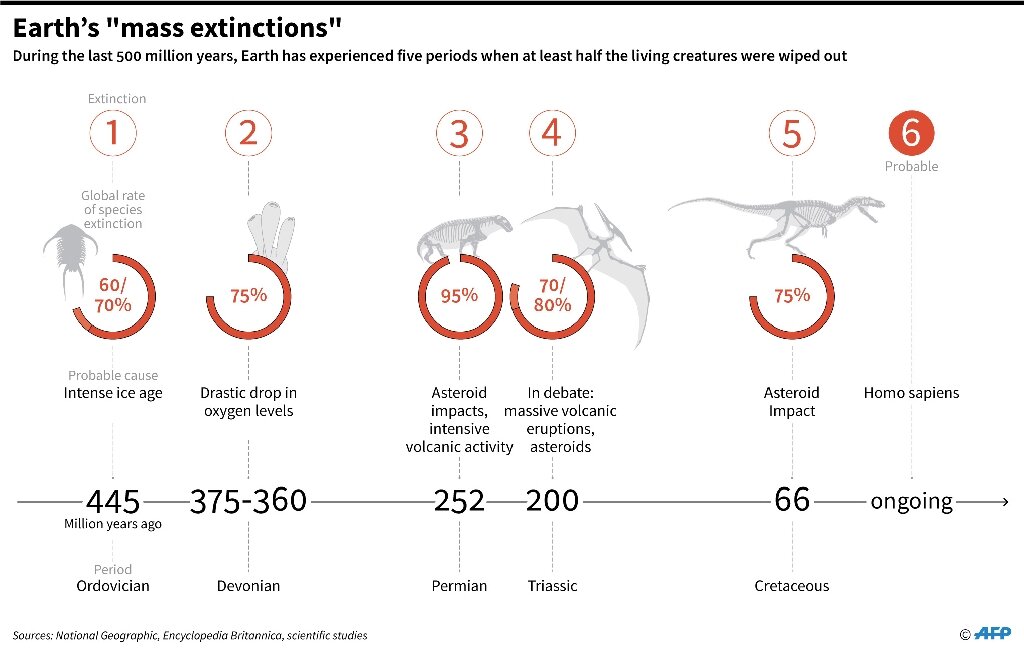
The alarming specter of extinction looms ever closer, presenting a disquieting tableau of what humanity has lost in recent years. The biodiversity crisis is no mere footnote in environmental literature; it is a profound existential concern, one that reverberates through ecosystems and human societies alike. Within the past few decades, a veritable compendium of life forms has vanished, leaving behind an indelible void that raises questions about sustainability, ecological balance, and our moral responsibility to the natural world.
As we delve into the most recent extinctions, it is critical to underscore the multifaceted nature of this phenomenon. Extinction is not a singular occurrence; it is a complex interplay of environmental degradation, climate change, habitat destruction, and anthropogenic pressures that collectively yield catastrophic outcomes. The annals of recent extinctions highlight a poignant narrative, one that emphasizes the urgent need for conservation actions and a reevaluation of our relationship with the planet.
Among the most heart-wrenching losses is the Apalachicola sirenian, or Steller’s sea cow, which was declared extinct in 1768 following unchecked hunting. The tragic fate of this gentle giant, which thrived in the cold waters of the North Pacific, serves as a cautionary tale. The sirenian’s demise was not merely a loss of a species; it represented the obliteration of a unique ecological role, disrupting marine ecosystems that had matched their rhythms to its presence.
The recent extinction of the Spix’s macaw, a vibrant blue bird native to Brazil, encapsulates the impact of habitat destruction and wildlife trade. Once found in abundance, this avian jewel succumbed to deforestation and the flourishing illegal pet trade, leading to its declaration as extinct in the wild. The Spix’s macaw is not just feathers and beaks; it symbolizes the colorful tapestry of life we risk unraveling with every forest cut and every illegal sale. Yet, it has become a symbol of hope as conservationists undertake initiatives aimed at facilitating captive breeding and potential reintroduction.
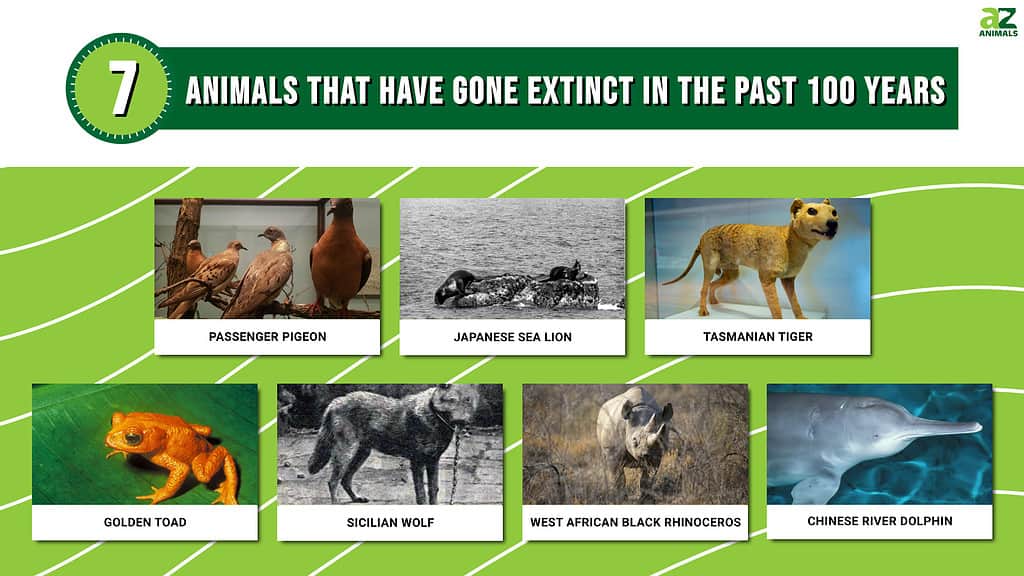
In the realm of amphibians, the plight of the golden toad of Monteverde is striking. This iconic creature, once a focal point for biodiversity enthusiasts, became extinct around 1989. As climate change wrought havoc on its cloud forest habitat, the golden toad’s story unfurls a sorrowful narrative on how rising temperatures and altered precipitation patterns can eradicate delicate species. It serves as a bellwether for the vulnerability of other amphibians, a group already beleaguered by disease and habitat loss.
The extinction of the Bramble Cay melomys in 2016 holds profound implications, not only as an illustration of species eradication but also as a stark reminder of the impacts of climate change on island ecosystems. This small rodent, endemic to a tiny coral cay in the Torres Strait, was driven to extinction due to rising sea levels and habitat degradation. The Bramble Cay melomys, gone forever, reverberates with the urgent message that climate effects are no distant worry but a current horror.
Additionally, we must reflect on the microbes and flora that have vanished from our planet’s biosphere. Unique strains of pathogenic bacteria and native plant species have also reached extinction, further eroding Earth’s genetic reservoir. These diminutive but essential life forms often go unnoticed, yet their loss can lead to unforeseen consequences, undermining food security and eradicating potential medicinal resources. The delicate web of life is woven tightly; removing even the smallest thread can unravel the entire fabric.
Human encroachment—urbanization, pollution, and habitat modification—has expedited the loss of biodiversity. Perhaps one of the most striking examples of this persistent threat is the extinction of the passenger pigeon. Once numbering in the billions, this species was driven to extinction by unrestrained hunting and habitat destruction. Shifting landscapes and burgeoning human populations have transformed vast regions into lifeless patches devoid of the vibrant species that once thrived there. Each extinction amplifies the silence of the remaining ecosystems, creating a chilling echo of the biodiversity we have recklessly depleted.
There is an urgency to act, to stem the tide of extinction that is rising like the oceans. The recent eliminations from our world serve as stark reminders of the interdependencies of all species and the fragility of our existence. Conservation efforts are more crucial now than ever. Initiatives to protect critical habitats, bolster endangered species, and promote sustainable practices ask not only for the commitment of governments but also the engagement of communities, individuals, and organizations. Each action counts. Informed citizens can advocate, contribute financially, volunteer their time, or simply educate themselves and others about the importance of biodiversity.
As stewards of the Earth, we have the potential to determine the course of our shared future. The natural world desperately needs our concerted attention, our unwavering vigilance. While the losses are sobering, they also ignite a passionate call to not only cherish but protect our planet’s incredible diversity. This pivotal moment in history can lead us towards a sustainable future if we collectively vow to take accountability for the stewardship of our planet. In the face of overwhelming odds, hope persists—together, we can mitigate further losses, nurture what remains, and ensure a rich legacy for future generations.








Leave a Comment