
The world stands as an intricate tapestry, woven together by the threads of ecological equilibrium. Yet, as times change, so too does the fabric of this tapestry, fraying at the edges under the strain of human activity. Climate change is the heavy weight pulling on each individual strand, creating shifts that resonate throughout the entire structure of life on Earth. This phenomenon is not merely a statistic in a report; it is a palpable reality that influences every facet of our existence.
To comprehend the human impact of climate change, we must first grasp the enormity of its reach. Imagine climate change as a vast tidal wave, ever so slowly advancing toward the shore. At first, its presence is elusive, a mere whisper in the wind. However, as the moments march on, that whisper transforms into a deafening roar, crashing against the landscape of our daily lives. The ramifications of this wave are not confined to the oceans alone; they ripple into our homes, our health, and our very society.
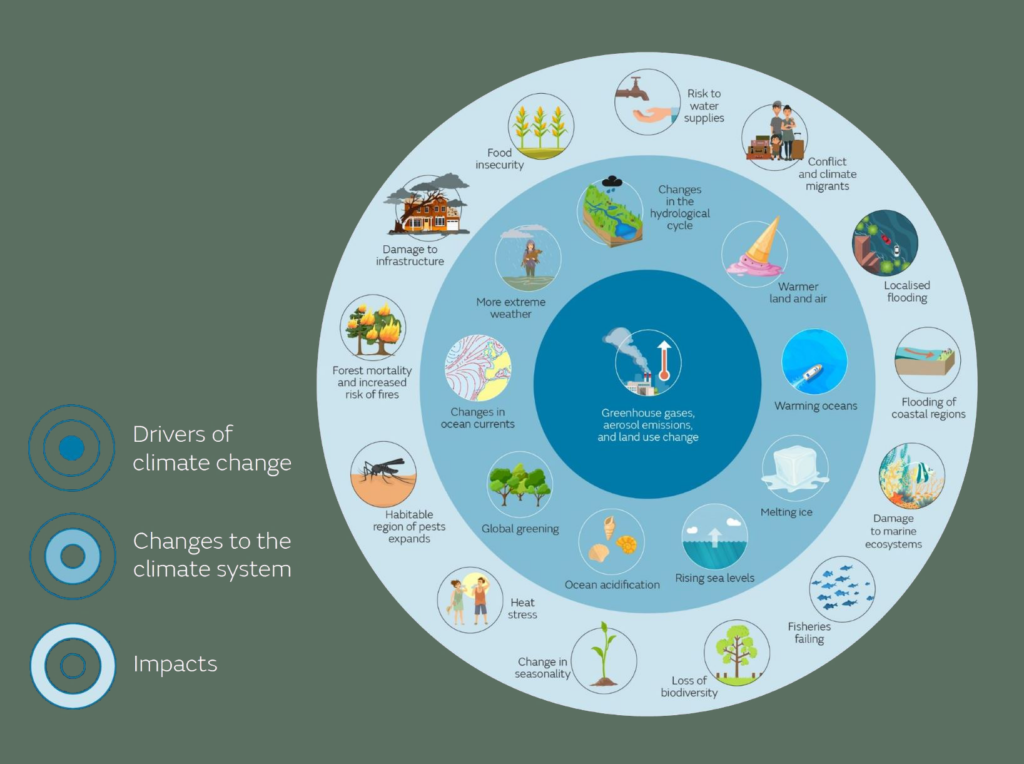
One of the most immediate manifestations of climate change is the shift in weather patterns, which can be likened to a maestro who, in a fit of rage, decides to alter the tempo of a symphony. The once predictable rhythms of seasons are disrupted, leading to erratic rainfall, unseasonable droughts, and increasingly ferocious storms. Crops that once flourished face uncertainty, with farmers grappling to adapt to conditions that change like a chameleon. Food security teeters on a precipice, as the delicate balance of supply and demand is thrown into disarray.
Moreover, these disturbances do not respect geographical boundaries. The ascent of temperatures across the globe triggers a cascade of shifts in our shared ecosystems, turning once-thriving habitats into desolate landscapes. Flora and fauna are not just collateral damage; they are integral chapters in the story of life that humans have invariably affected. The extinction of species unfolds like pages of a book being torn out, severing connections and erasing history. In this fragile ecosystem, each organism plays a role, and the absence of any can lead to an unforeseen downfall that may eventually come back to haunt humanity.
But the effects of climate change extend far beyond environmental degradation and ecological imbalance; they exert a profound influence on human health. Consider air quality, for instance—a silent adversary, lurking behind the scenes and affecting the very air we breathe. Rising temperatures contribute to the proliferation of allergens and air pollutants, aggravating respiratory ailments and eroding the well-being of millions. Vulnerable populations, particularly the elderly and those with pre-existing conditions, bear the brunt of this assault on public health.
The emotional and psychological toll of climate change should not be underestimated either. The anxiety swirling in the hearts of individuals faced with uncertain futures can be likened to a shadow that looms larger with each fleeting day. The trauma of natural disasters, the strain of displacement, and the gnawing instinct for survival trap many in a cycle of despair. This phenomenon—eco-anxiety—not only underscores our shared vulnerability but also evokes a collective longing for change and resilience.
The social ramifications are equally stark. As communities struggle to cope with the backlash of climate change, resource scarcity can lead to conflict and strife. Scarcity transforms neighborly ties into adversarial relationships, as people desperately compete for dwindling resources—a grim reminder that behind every environmental statistic is a personal story of loss, resilience, and desperation. The haunting specter of climate-induced migration arises, as individuals are compelled to abandon their homes, and entire cultures dissipate into obscurity.
Yet, amid this daunting narrative, rays of hope pierce through the gathered clouds. Humanity possesses an extraordinary capacity for innovation and adaptation. Like a phoenix rising from the ashes, powerful efforts are emerging worldwide to cultivate sustainable practices. Clean energy solutions, such as solar and wind, have burgeoned, and communities are rallying together, embracing the virtues of conservation and mindful stewardship of the land. Each small action contributes to a larger chorus—a symphonic movement toward a sustainable future.
Thus, understanding the human impact of climate change is not solely a matter of recognizing doom and gloom. Instead, it encompasses an intricate lattice of challenges, insights, and triumphs, reflecting the complexities of our existence. As we confront the realities of climate change, we are presented with an opportunity—for introspection, dialogue, and action. Addressing this crisis demands not just awareness but a profound transformation of our societal values.
We stand at a pivotal juncture, capable of redefining our relationship with the natural world. Each choice we make today crafts a narrative—a legacy that our descendants will inherit. Harnessing creativity, fostering unity, and daring to rethink our consumption patterns ultimately becomes the cornerstone upon which we must build the future we desire. The waves of climate change will continue to lash against our shores, but united in purpose, we can craft a narrative that breathes resilience and ensures survival. The tapestry of life, however frayed, still has the potential to unify once more—with the threads of change and commitment guiding our path forward.






Leave a Comment