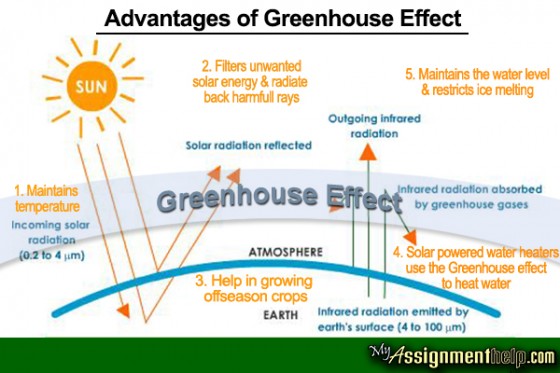
The Greenhouse Effect often evokes polarizing views, with critics amplifying its detrimental consequences on global warming and climate change. Yet, amid the cacophony of concern, lie significant advantages that warrant careful examination. Looking beyond the overt implications, we find that the Greenhouse Effect plays a crucial role in maintaining Earth’s ecological equilibrium and sustaining life as we know it. This intricate interplay of environmental factors not only underpins diverse ecosystems but also enables human advancement in unexpected ways.
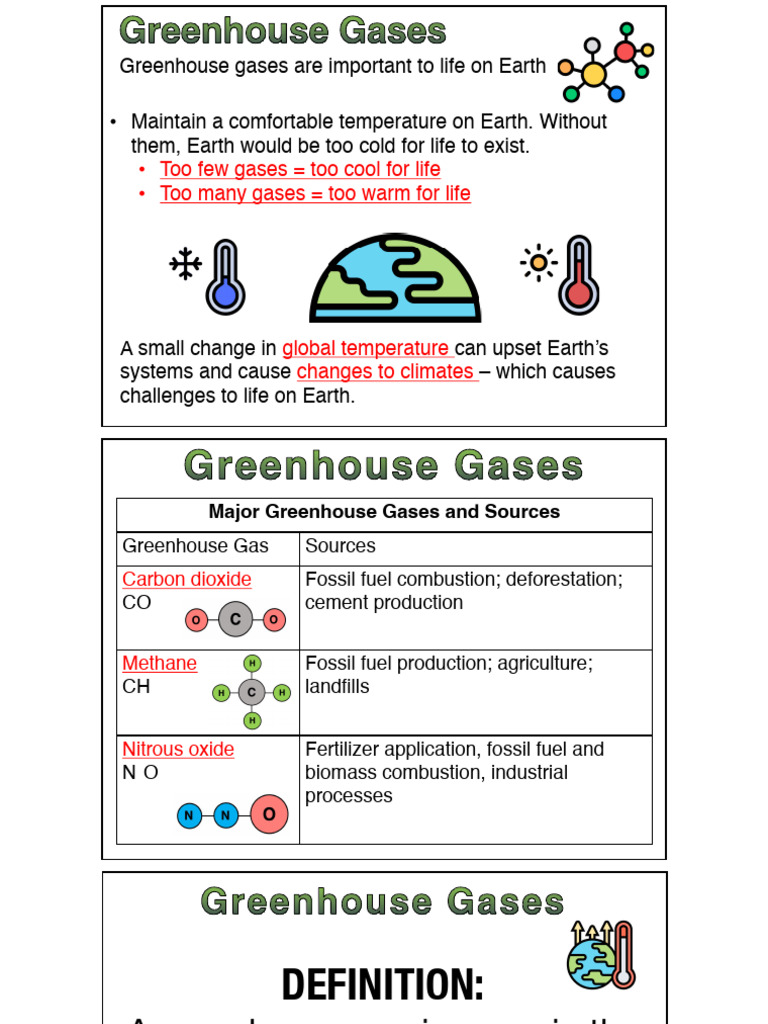
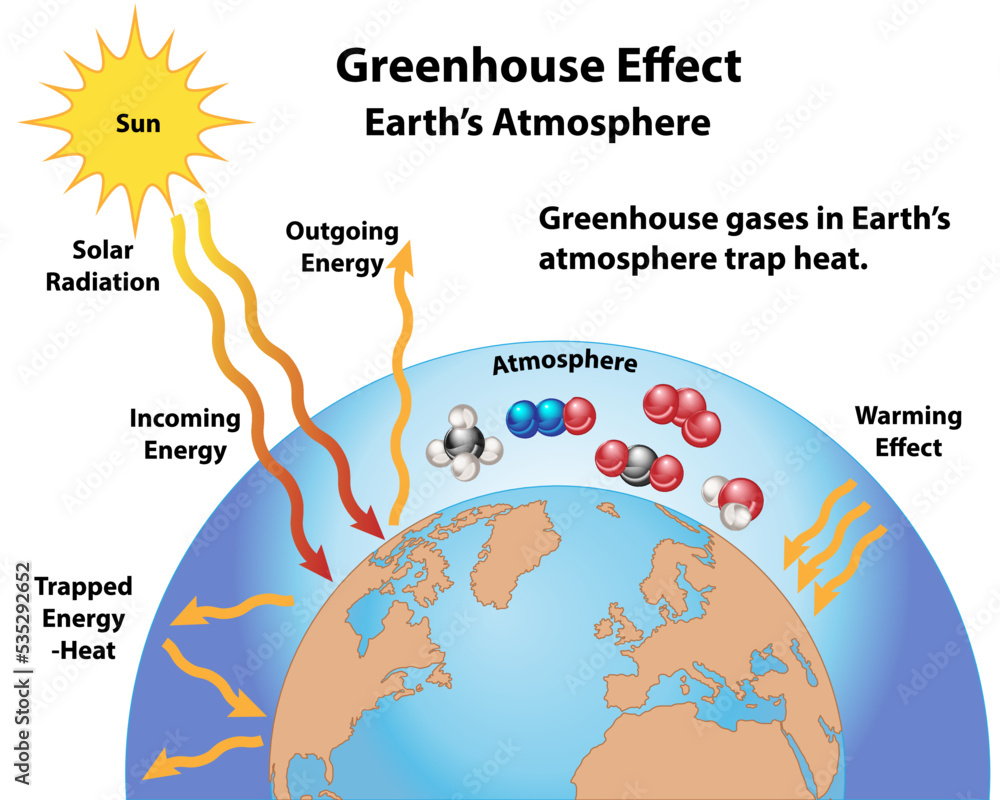
At its core, the Greenhouse Effect is the process by which certain gases in Earth’s atmosphere trap heat, preventing it from escaping back into space. This phenomenon is essential for regulating our planet’s temperature, creating a hospitable environment. Picture Earth without this natural shield: nighttime temperatures would plummet, making it exceedingly challenging for life forms to thrive. Consequently, one of the primary advantages of the Greenhouse Effect is its ability to facilitate a stable climate that nurtures biodiversity.
Moreover, the stability provided by the Greenhouse Effect is vital for agricultural productivity. The intricate balance of temperature and precipitation, especially in temperate regions, allows for the cultivation of a myriad of crops. Farmers depend on this climatic nuance to grow staple foods, such as wheat, rice, and corn. The reliability of seasons—along with favorable weather patterns—has enabled civilizations to flourish, fostering food security that underpins the intricate tapestries of human societies. Without this natural phenomenon, our ability to feed billions could be severely compromised.
On a deeper level, the Greenhouse Effect catalyzes a symbiotic relationship between natural systems and human innovation. The contemporary agricultural practices, driven by scientific advancement, are intrinsically linked to our understanding of climate dynamics influenced by greenhouse gases. For example, advances in greenhouse horticulture and precision agriculture are rooted in the data gleaned from the study of atmospheric conditions. By harnessing the benefits of the Greenhouse Effect and employing cutting-edge technologies, farmers can enhance yields while maintaining sustainable practices.
Furthermore, the Greenhouse Effect contributes to the very essence of weather patterns. Understanding meteorological phenomena is paradoxically facilitated by the greenhouse gas emissions we frequently deplore. Warming air can hold more moisture, a factor pivotal in the formation of clouds and precipitation. This enhanced hydrological cycle can lead to more frequent and intense storms but also larger, more reliable rainfall in arid regions, thus supporting agricultural expansion into historically inhospitable territories. In a world grappling with climatic extremes, recognizing the dual facets of this phenomenon offers profound insights into adaptive strategies.
Additionally, the inclination to vilify greenhouse gases frequently overshadows their role as essential building blocks for life. Carbon dioxide (CO2), often demonized in discussions of climate change, is a critical component of photosynthesis. The process through which plants convert light energy into chemical energy sustains the vast ecosystems that envelop our planet. This biological foundation enables flora to thrive, which in turn supports diverse fauna. A balanced presence of greenhouse gases, therefore, creates a fertile environment for the intricate web of life on Earth.
Interestingly, the Greenhouse Effect has also been a driving force behind key scientific explorations, propelling humanity toward innovations that transcend environmental challenges. The pursuit of renewable energy sources—integral to combatting climate change—is a direct response to the imbalances derived from human activity. In this light, the problematization of the Greenhouse Effect has engendered a renaissance in energy solutions, from solar panels to wind turbines, shaping a sustainable future that offers hope for generational resilience.
The implications extend far beyond agriculture and energy. Urban planning initiatives are increasingly informed by the nuances of the Greenhouse Effect. Cities must navigate an evolving reality where temperature variations due to greenhouse gases influence infrastructure design, public health initiatives, and transportation systems. Understanding these environmental interlinkages compels urban planners to devise holistic strategies that marry ecological considerations with human necessities, resulting in more livable cities.
Moreover, the nexus between climate science and public policy must not be underestimated. By recognizing the intricate advantages of the Greenhouse Effect, policymakers are better positioned to craft legislation that balances environmental imperatives with economic aspirations. The catalysts of thought leadership emerging from climate dialogues have the potential to foster frameworks that seamlessly integrate sustainability into the fabric of society.
Still, while the Greenhouse Effect harbors invaluable advantages, it necessitates a conscious approach to management. Climate change, exacerbated by excessive greenhouse gas emissions, presents an existential threat that cannot be ignored. The imperative lies in leveraging the benefits while mitigating risks. Through innovative policies, community engagement, and personal responsibility, a balanced symbiosis can be achieved. Sustainable practices in industry, transport, and consumption can safeguard the advantages provided by the Greenhouse Effect, ensuring ecological integrity for future generations.
Ultimately, the Greenhouse Effect is a double-edged sword, intertwining the advantages and disadvantages in a complex tapestry that defines our planet. Embracing its hidden merits encourages a deeper understanding of our environmental responsibilities and guides us toward a path of sustainability. By recognizing the nuanced interplay of natural forces, humanity can foster resilience, ensuring a thriving planet that honors both the brilliance of the Earth and the ingenuity of its inhabitants.







Leave a Comment