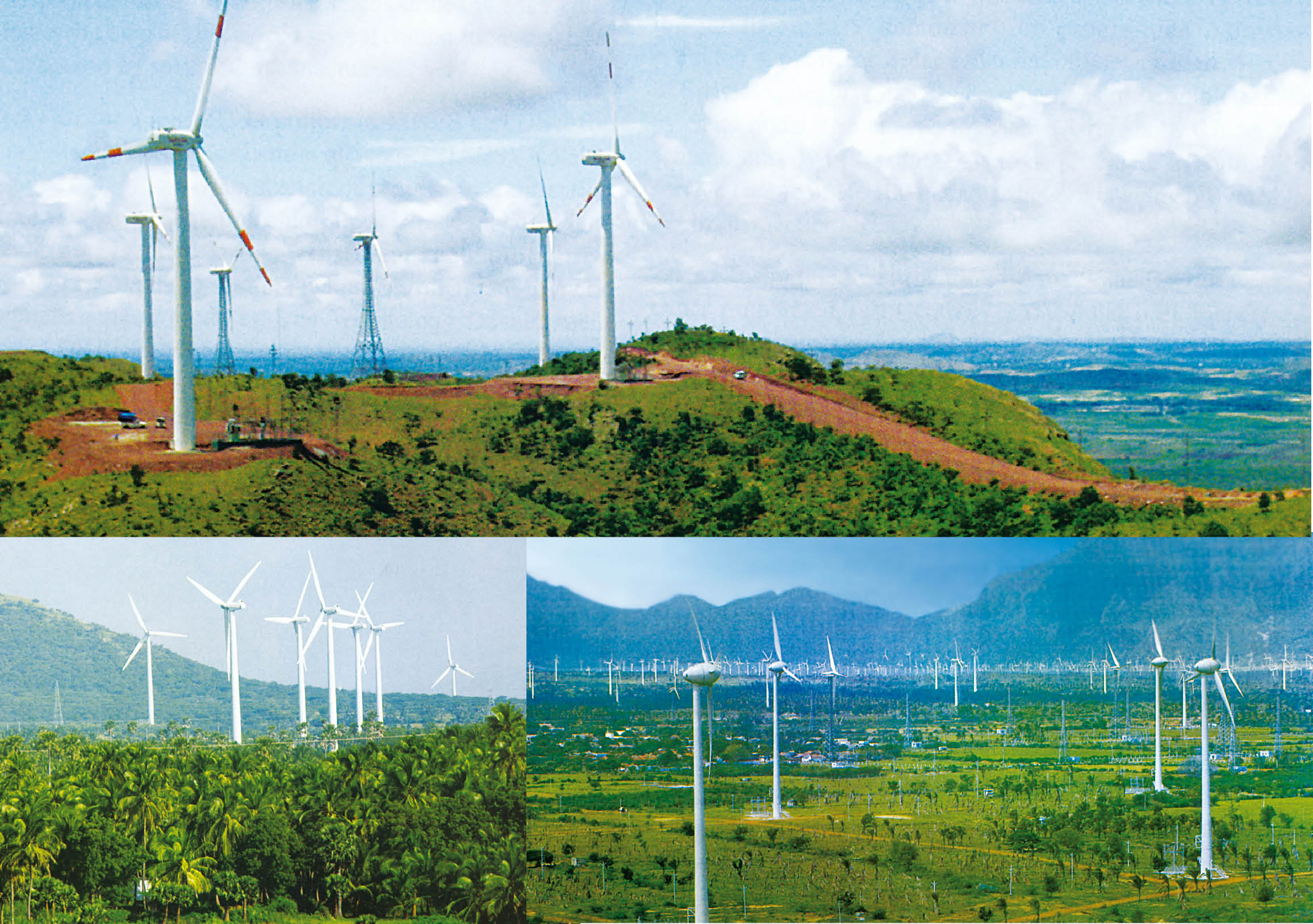
The tapestry of India’s energy landscape is inextricably woven with the threads of tradition and innovation. Among these threads, wind energy stands tall, a colossal metaphorical windmill that harnesses the very breath of the earth. As India strides towards a sustainable future, the winds of change are propelling this renewable resource into the forefront, not as a mere alternative but as a pivotal solution to the nation’s burgeoning energy needs.
Like the sails of ancient mariners that carried ships across tumultuous seas, wind turbines capture the invisible currents that swirl across India’s vast plains and coastal regions. The allure of harnessing these gusts is unique and profound; it offers a glimpse into a landscape where energy is no longer a distant dream but an accessible reality. India’s commitment to augmenting its wind energy capacity is an emblem of its intent to merge progress with preservation — a duality that mirrors the ideals of sustainable development.
India’s wind energy journey began with hesitant steps, slowly gaining momentum akin to a fledgling bird learning to soar. The initial capacity was modest, yet ambitious goals were set, reflecting a burgeoning awareness of the environmental imperatives at play. As years rolled by, the Indian government unveiled a series of initiatives incentivizing investment in renewable resources. This evolving policy landscape has been akin to nourishing rain for saplings, fostering robust growth in the wind energy sector.
The potential for wind energy in India is staggering. With a coastline exceeding 7,500 kilometers and vast plains like those in Rajasthan and Gujarat, the opportunities for harnessing wind are ripe and ready. The land itself becomes a sanctuary for turbines, standing sentinel against the backdrop of an immensity that promises sustainability. Enthusiasti motivated, India has set ambitious targets, eyeing a goal of 60 GW of installed wind capacity by 2022. Yet, this is simply the beginning of a grander vision.
As the sun sets over fields dotted with wind turbines, they become almost poetic figures against the horizon. This imagery evokes a sense of unity between nature and technology, a harmonious dance that underscores hope. Each turbine spins with purpose, a testament to the relentless pursuit of cleaner energy solutions. Yet, the chorus of benefits that wind energy provides extends far beyond mere power generation. It is an economic catalyst, generating employment opportunities and stimulating local economies in regions that have traditionally faced stagnation.
However, the path to harnessing this renewable potential is fraught with challenges. Regulatory hurdles, land acquisition issues, and infrastructural bottlenecks often loom large, reminiscent of storm clouds threatening the serenity of an otherwise clear sky. The government’s resolve to streamline these processes can be likened to a windbreak, essential for protecting the fledgling industry from the harsh elements of bureaucratic inertia. Furthermore, technological advancements and declining costs of wind energy systems serve as the critical tailwind, propelling this sector towards unprecedented growth.
In recent years, the integration of wind energy with newer technologies has taken center stage. The advent of hybrid systems, smart grids, and energy storage technologies presents a tantalizing glimpse into the future — one where energy is abundant, affordable, and above all, sustainable. Like a masterful conductor leading an orchestra, the integration of these innovations can harmonize the disparate elements of power generation and consumption, crafting a symphony of efficiency that resonates across the nation.
As India advances towards a future steeped in renewable energy, the societal implications of wind energy are equally profound. Communities are empowered, often transitioning from consumers of energy to active participants in its production. The narrative shifts from dependence on fossil fuels, often imported from distant lands, to a self-reliant approach that champions local resources. This evolution fosters a sense of ownership among communities, igniting a passion for sustainability that reverberates across generations.
Nonetheless, the discourse surrounding wind energy cannot overlook its environmental footprint. While the ecological advantages of generating energy from wind are palpable, considerations regarding wildlife impact and land use cannot be swept under the rug. Like a double-edged sword, the deployment of wind turbines necessitates a careful balance between environmental stewardship and the relentless pursuit of progress. Dialogues engaging communities and environmentalists must continue to ensure that wind energy expansion does not come at a cost to India’s rich biodiversity.
Moreover, the urgency for a holistic approach amplifies as climate change looms ominously on the horizon. With the specter of environmental degradation manifesting itself through erratic weather patterns and dwindling resources, the call for renewable energy solutions becomes ever more pressing. Wind energy, in its essence, embodies resilience — drawing from the very nature of the winds that appear capricious yet are predictable in their patterns. Harnessing this resilience is not merely a strategic choice but an ethical obligation toward future generations.
In conclusion, the future of wind energy in India is a narrative filled with promise and possibility. It is a crossroads where ambition meets responsibility, setting the stage for a transformative era in energy generation. As the turbines turn, they do not merely generate power; they breathe life into aspirations for a cleaner, greener India. The winds of change are at our backs, urging us forward into a future that champions the harmonious coexistence of nature and innovation. Embracing wind energy is not just a choice; it is an imperative that paves the way toward realizing a sustainable legacy for generations to come.






Leave a Comment