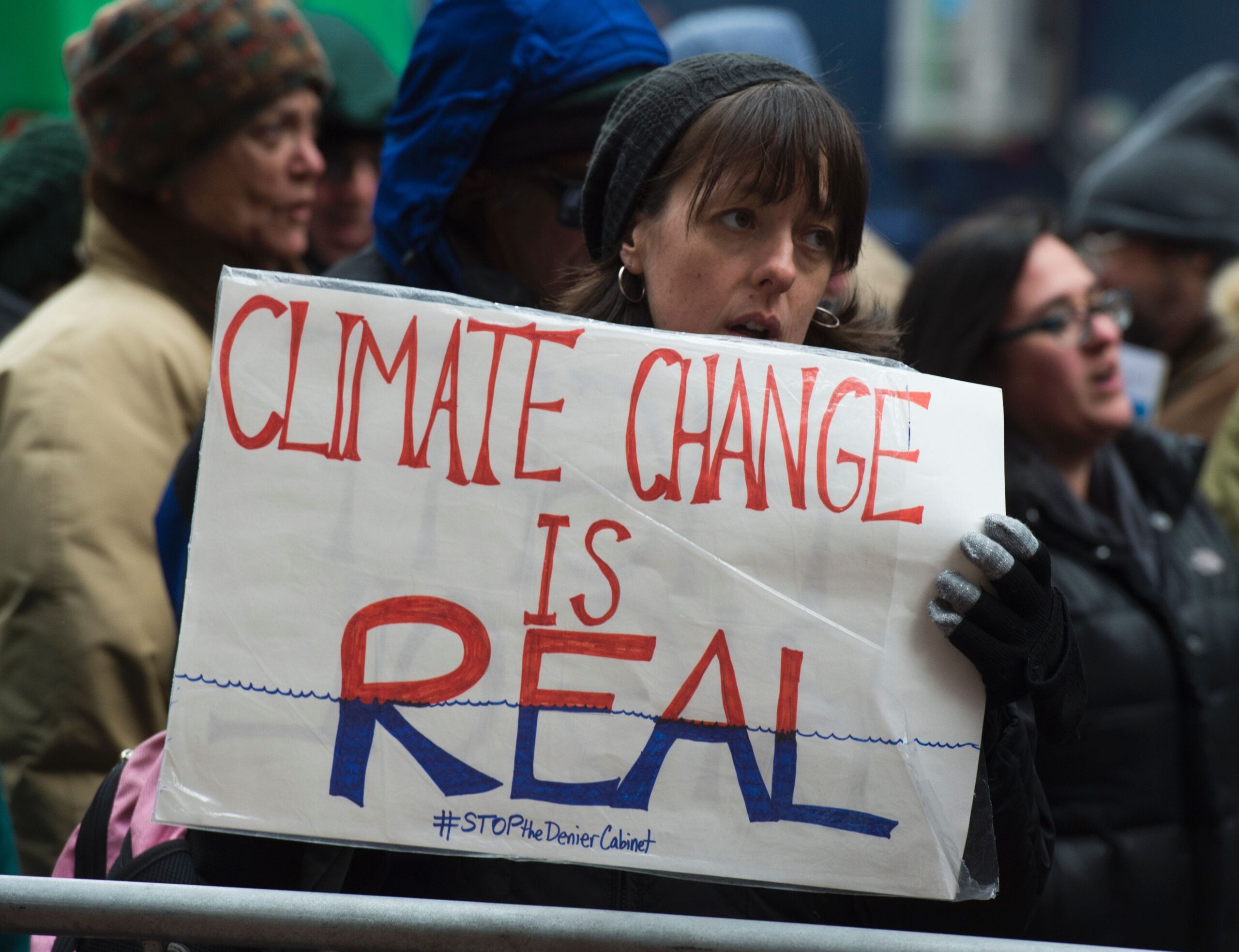
In an era defined by digital discourse, the spread of information—both accurate and misleading—plays a pivotal role in shaping public opinion, policy, and ultimately, our planet’s fate. Among the myriad discussions taking place across social platforms, the contentious topic of climate change denial has garnered significant attention. This article explores the debate surrounding the moderation of climate denial content on platforms like Reddit and Quora, delving into the implications of such actions and the ethical quandaries they present.
As the world grapples with the existential threat of climate change, characterized by rising temperatures, extreme weather events, and ecological degradation, the internet serves as a double-edged sword. On one side, it provides a forum for scientific enlightenment and awareness-building. On the other, it becomes a breeding ground for disinformation and unsound rhetoric. Reddit, with its cacophony of subreddits, and Quora, with its question-and-answer format, embody this dichotomy in the digital age.
The core of the debate hinges on whether these platforms should impose stricter regulations on content specifying climate denial. Advocates for banning such content assert that allowing it to flourish contradicts the overwhelming scientific consensus on climate change. Research indicates that climate denial is not merely an innocuous opinion but rather a potent narrative that undermines efforts to mobilize collective action against climate change. This raises critical questions about the responsibilities of online platforms and the ethical implications of hosting potentially harmful content.
At the heart of this discussion lies the notion of accountability. When platforms like Reddit and Quora allow climate denial to permeate their spaces without consequence, they inadvertently disseminate falsehoods alongside legitimate discourse. This trajectory has alarming ramifications, especially since many users may struggle to discern credible information from misleading claims. The propagation of climate denial not only creates confusion but also fosters a culture of doubt regarding scientific expertise, further indolent inaction against climate issues.
Yet, the prospect of banning climate denial raises an equally significant concern: freedom of speech. Proponents of unfettered expression argue that even controversial opinions deserve a voice in the marketplace of ideas. They contend that imposing bans could set a dangerous precedent, wherein platforms might arbitrarily dictate which perspectives are acceptable, stifling healthy debate. Balancing free expression with the responsibility to mitigate disinformation poses a monumental challenge, one that demands nuanced consideration.
Reddit, in particular, operates through a set of community-driven guidelines, allowing subreddits to establish their own rules about the types of discourse permitted. This decentralized model introduces variability as communities grapple with the ramifications of allowing or banning climate denial. Some subreddits adopt an aggressive stance against misinformation, employing rigorous moderation to preserve the integrity of scientific discussions. Conversely, others permit climate denial to persist, invoking a commitment to open dialogue and contrasting viewpoints.
This leads us to Quora’s editorial approach, which, unlike Reddit’s decentralized format, entails curating content more stringently. Quora’s system allows for the removal of posts deemed inaccurate or misleading, but the implementation of these measures is often a contentious affair. Users frequently engage in heated debates regarding the validity of posts, leaving moderators to confront the intricate task of navigating subjective interpretations of truth. As a platform founded on the premise of shared knowledge, Quora faces a formidable challenge in upholding that promise while simultaneously ensuring that erroneous information does not proliferate.
Nevertheless, the potential consequences of unmitigated climate denial extend beyond the purview of individual platforms. The alarming trend of denialism has significant implications for policy-making, impeding initiatives aimed at achieving sustainability and reducing carbon emissions. If public opinion remains swayed by misleading claims, the urgency for legislative action diminishes, prolonging the climate crisis and exacerbating its effects on vulnerable populations worldwide.
Contrast lies in the strategies employed by these platforms to combat or tolerate climate denial; it paints a broader picture of societal attitudes toward science and expertise. The very existence of climate denial can be seen as a testament to the broader culture of skepticism towards scientific authorities. This cultural backdrop invites introspection: what compels individuals to reject established science? The answers to this question reveal deeper societal fractures, often intertwined with political identities and economic interests.
Furthermore, imposing bans on climate denial may inadvertently alienate individuals who harbor these beliefs, hindering productive dialogue. While it is crucial to confront misinformation, it is equally imperative to engage with those who hold dissenting views. Educational approaches may prove more effective in influencing change by fostering understanding and empathy rather than demonizing individuals for their beliefs. Acknowledging the complexity of perspectives remains necessary as we navigate the evolving discourse on climate change.
The journey towards mitigating climate change must involve not just the eradication of misleading narratives, but also a commitment to empowering individuals with reliable information. Platforms have a unique opportunity to lead this charge by investing in educational initiatives, creating spaces for informed discussions, and amplifying marginalized voices within the environmental movement. By doing so, they can transcend the limitations of mere censorship and contribute to a cultural shift that values science and reasoned debate.
As the debate surrounding the banning of climate denial continues, it invites each of us to consider our roles within this conversation. The digital landscape is inherently participatory; the choices made by individuals and institutions alike shape the trajectory of public discourse. Recognizing the power we wield in promoting truth and inspiring action is paramount as we stand at a crossroads, faced with the urgent need for climate resilience. Platforms may hold the keys to influence, but it is the collective responsibility of society to steer the narrative towards a more informed and sustainable future.






Leave a Comment