
As the world grapples with the pressing challenge of climate change, the role of renewable energy becomes increasingly crucial. Among the plethora of alternatives, wind energy stands out for its promise and potential. However, a pertinent debate arises: Onshore vs. Offshore Wind Farms – which is the superior choice? This inquiry is not merely academic; it encapsulates broader themes of sustainability, resource allocation, and energy independence. Each option has its advantages and disadvantages, shaping a narrative laden with economic, environmental, and social implications.
At the outset, it is essential to delineate the fundamental differences between onshore and offshore wind farms. Onshore wind farms, as the name implies, are situated on land, often in open fields, hills, or coastal areas that are robustly wind-capable. Conversely, offshore wind farms are located in bodies of water, typically several miles from the coastline, capitalizing on more potent and consistent wind patterns. This geographical distinction lays the groundwork for myriad debates surrounding their efficacy.
One of the most pronounced advantages of offshore wind farms is their capacity for higher energy yield. The wind speeds at sea generally exceed those found on land. Scientific studies corroborate this observation: wind turbines positioned offshore can harness winds that are steadier and more optimal, leading to increased energy production. This efficiency is a critical factor, considering that energy generation must meet rising global demand. The economies of scale offered by offshore installations present an intriguing solution to the looming energy crisis.
Moreover, the establishment of offshore wind farms aligns with a strategic vision for cleaner energy sources. By situating turbines in marine environments, we mitigate the risks of visual encumbrance and noise pollution that often accompany terrestrial installations. Local communities frequently express concerns about the aesthetic implications of large wind farms; thus, offshore alternatives afford a valuable reprieve. Additionally, many coastal regions are already impacted by industrial activities, and placing wind farms offshore could seamlessly integrate into existing maritime landscapes.
Yet, it would be remiss to ignore the inherent challenges associated with offshore wind farms. The initial capital investment is significantly higher than that of onshore counterparts due to specialized equipment, installation procedures, and transportation logistics. These expenses can deter investors and policymakers alike, leading to an inordinate dependence on onshore projects that may not harness wind potential as effectively. Addressing these financial barriers is imperative for the equitable deployment of clean energy solutions.
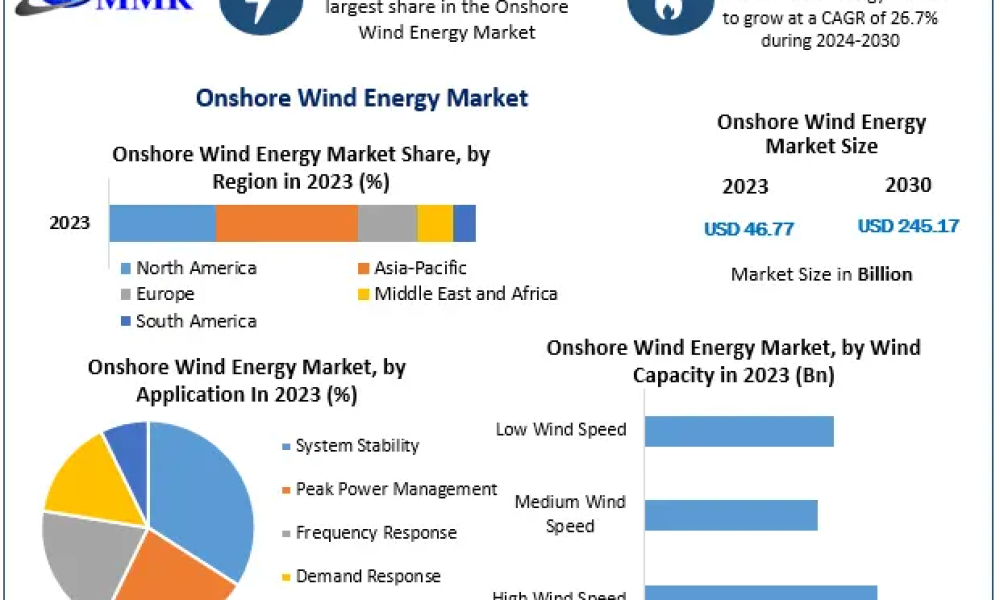
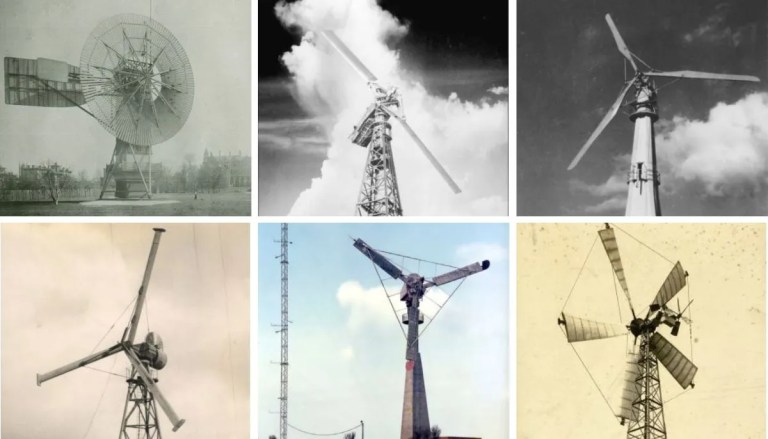
In contrast, onshore wind farms offer a more immediate and accessible solution to renewable energy proliferation. The lower costs of installation and maintenance render onshore facilities attractive for a variety of stakeholders, including governments and private investors. Furthermore, as the technology associated with wind energy matures, the efficiency of onshore turbines continues to improve, allowing for enhanced energy output in areas previously deemed inadequate.
It is also vital to consider the implications for land use and biodiversity. Onshore wind farms necessitate extensive geographical footprints that may disrupt local ecosystems and wildlife. Strategic site selection is pivotal to mitigate such impacts; however, this remains a complex undertaking. Given the extensive environmental ramifications of climate change, scrutiny from environmentalists against land allocations for wind farms is inevitable. This tension between renewable energy development and environmental conservation must be addressed in our pursuit of sustainable solutions.
Public perception, too, plays a crucial role in the development of both onshore and offshore wind farms. While offshore installations may enjoy a perceived stealthy advantage, both options face community resistance ripe with concerns about land rights, noise, and ecological impacts. Fostering robust dialogue among stakeholders, including local communities, environmental organizations, and industry leaders, can pave the way for collaborative solutions. Engaging the public in the discourse surrounding wind energy fosters transparency and trust, vital ingredients for any successful project.
Another aspect to consider is the ancillary economic benefits of wind farms. Onshore projects often stimulate local economies by creating jobs in construction, maintenance, and operations. Conversely, offshore developments bring unique maritime job opportunities in the burgeoning field of marine engineering and technology. Both options thus possess the potential to invigorate economic activity in their respective domains; however, the differential benefits ought to be measured and understood in the context of local economies.
Ultimately, navigating the dichotomy of onshore versus offshore wind farms transcends a mere comparison of efficiency and economic viability. It invites a broader narrative interwoven with themes of responsibility, equity, and a collective aspiration for a sustainable future. As humanity seeks to reduce its carbon footprint and transition to greener energy sources, an evaluation of the socio-environmental consequences of wind energy projects becomes imperative. Each choice carries its weight in the quest for clean, renewable power, illuminating paths toward a more sustainable planet.
In conclusion, the conversation around onshore versus offshore wind farms is nuanced and multifaceted. While offshore farms boast higher energy yields and lesser aesthetic interference, onshore facilities present accessible, cost-effective solutions ripe with local economic benefits. Both modalities of wind energy deployment will likely form an integral part of the sustainable tapestry that future generations will weave. The quest for a comprehensive energy strategy must therefore encompass the merits and drawbacks of both approaches, forging a harmonized path towards a cleaner, greener world.





Leave a Comment