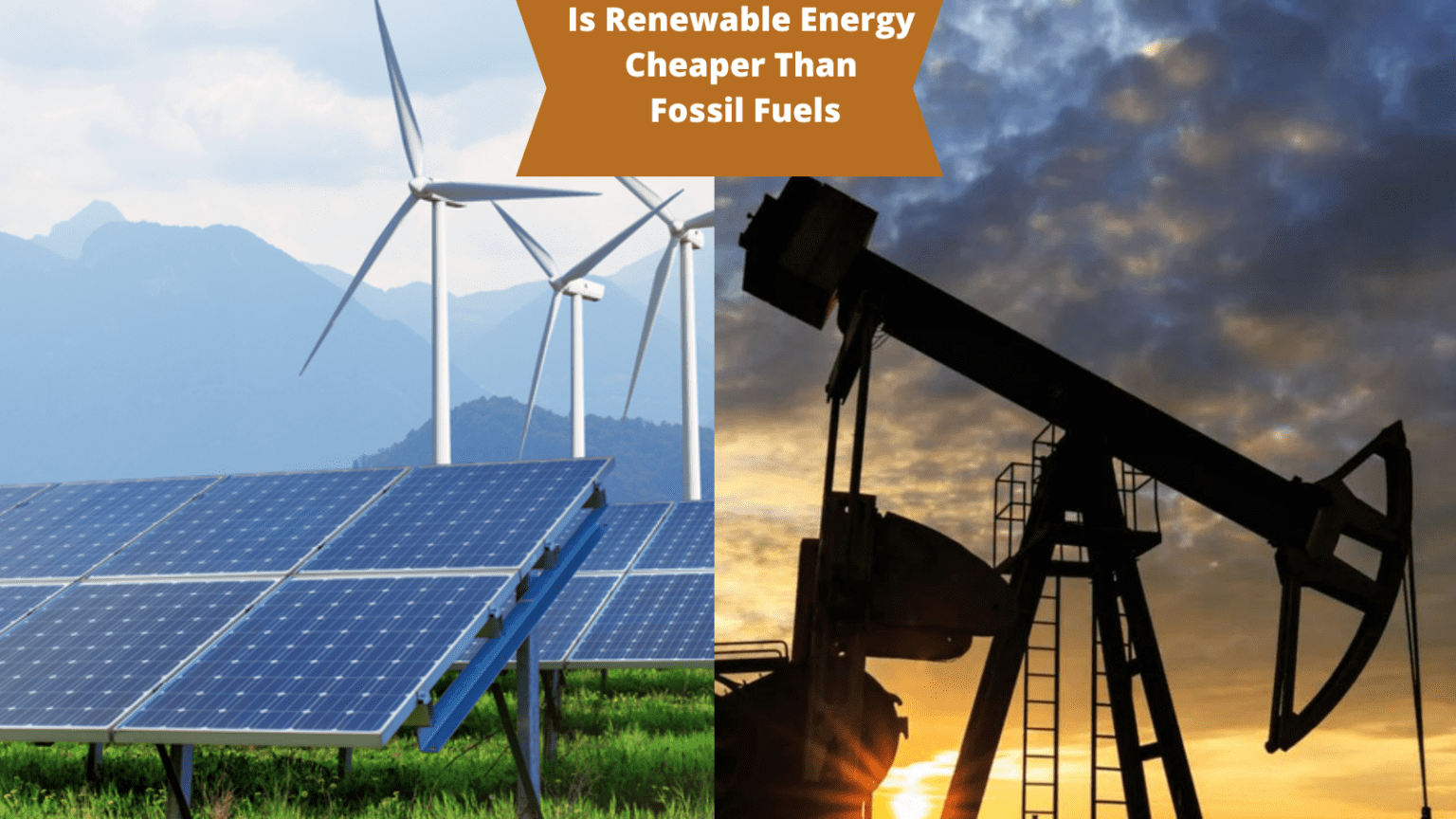
As humanity grapples with the multifarious challenges posed by climate change and environmental degradation, the quest for sustainable energy solutions has never been more pressing. Among these, wind energy stands as a beacon of potential—a resource ripe for exploration and implementation. With technological advancements and economies of scale transforming the energy landscape, a crucial inquiry arises: is wind energy cheaper than fossil fuels today? To address this question, we must embark on a multifaceted investigation that delves into economic, environmental, and societal dimensions.
The first angle of our inquiry involves a cursory glance at the costs associated with wind energy production. Over the past decade, wind energy generators have seen a dramatic decrease in costs. This is primarily due to advancements in technology and increased competition within the market. The levelized cost of energy (LCOE), a vital metric that gauges the average net present cost of electricity generation for a generating plant over its lifespan, has plummeted for wind energy. It now frequently rivals, and in some instances undercuts, traditional fossil fuel sources. By leaning into economies of scale and enhancing turbine efficiency, the wind energy sector has ushered in a new era of affordability.
Conversely, the fossil fuel market faces an array of economic challenges. While the initial investment for fossil fuel extraction may seem lower, hidden costs abound. These costs manifest in the form of environmental degradation, health impacts, and mitigation efforts needed to address the consequences of greenhouse gas emissions. Thus, when one juxtaposes wind energy costs against the backdrop of fossil fuel environmental externalities, a new narrative emerges—one that frames wind as not merely a competitor, but an economically sound alternative.
The environmental implications of energy choices extend beyond mere dollars. Wind energy, by virtue of its nature, produces no air pollution or greenhouse gas emissions during operation. This absence of detrimental outputs has far-reaching benefits for public health and the environment. Losing sight of this is detrimental not just to the discussion at hand, but also to the trajectory of energy policy as a whole. When quantifying costs, one must incorporate the long-term health impacts that are often overlooked when valuing fossil fuel energy sources. The cumulative burden of respiratory ailments, heart diseases, and other health-related issues linked to fossil fuel energy can considerably inflate its true cost—an aspect that wind energy elegantly circumvents.
Moreover, energy independence stands as a pillar of national security and economic stability. Wind energy can significantly bolster a nation’s ability to produce energy locally, reducing reliance on imported fossil fuels. This self-sufficiency can shield economies from the unpredictable fluctuations of global oil markets. As the geopolitical landscape remains fraught with tension, investing in domestic wind energy production emerges as not just a financial decision, but a strategic imperative.
However, the wind energy narrative is not without its complexities. Critics often cite the intermittency of wind as a significant drawback. Indeed, wind does not blow consistently, and the reliance on this energy source necessitates a diversification of our energy generation portfolio. This stratagem is not unique to wind; fossil fuels, too, exhibit volatility and can disrupt supply chains. The advancement of storage technologies, such as battery systems that can store surplus wind energy for later use, is crucial in overcoming this challenge. As these technologies continue to progress, the viability of wind energy as a primary source of electricity strengthens.
Another crucial factor involves the socio-economic implications surrounding wind energy development. The construction and operation of wind farms can stimulate local economies—creating jobs and boosting industries. While fossil fuel extraction may serve as a temporary economic boon, it is often accompanied by adverse socio-environmental ramifications. Communities near fossil fuel operations frequently experience detrimental impacts, ranging from pollution to community disintegration. Wind energy, on the contrary, fosters sustainable community development, integrating renewable energy sources into the local economy in a harmonious manner.
The question arises: how can governments and policymakers facilitate a transition toward wind energy? Incentives, such as tax credits and subsidies for renewable energy investments, play a pivotal role in leveling the playing field. By designing frameworks that embrace wind energy’s potential while acknowledging the societal costs of fossil fuels, governments can encourage businesses and consumers to make more sustainable choices. Public awareness campaigns alongside educational initiatives can further spur interest and investment in this burgeoning sector.
Nevertheless, a holistic assessment of wind versus fossil fuels cannot omit the need for a balanced approach. As we continue to innovate, integrate, and transition, the goal must be to harmonize energy production with environmental stewardship. Wind energy’s promise stands validated not solely by its current cost-effectiveness, but also through its embodiment of a vision for a sustainable future—one that prioritizes ecological health, social equity, and energy independence.
In conclusion, the question of whether wind energy is cheaper than fossil fuels today is fraught with complexity but ultimately leans toward affirmative. The confluence of technological advancements, economic imperatives, and socio-political foresight suggests that wind energy not only offers a feasible alternative but also propels us toward a cleaner, more sustainable future. Through strategic investments, societal engagement, and a commitment to innovation, we can usher in an era where wind energy is not just competitive but is indeed the energy of choice.






Leave a Comment