In the grand theater of Earth’s climate, the greenhouse effect plays the role of both protagonist and antagonist. It envelops our planet in a delicate shroud, creating a hospitable environment for life to flourish, yet it also harbors an underlying menace, threatening the fragile equilibrium we have known for millennia. To dive into the depths of this phenomenon is to unravel a tapestry woven with threads of both nature’s artistry and humankind’s ambition.
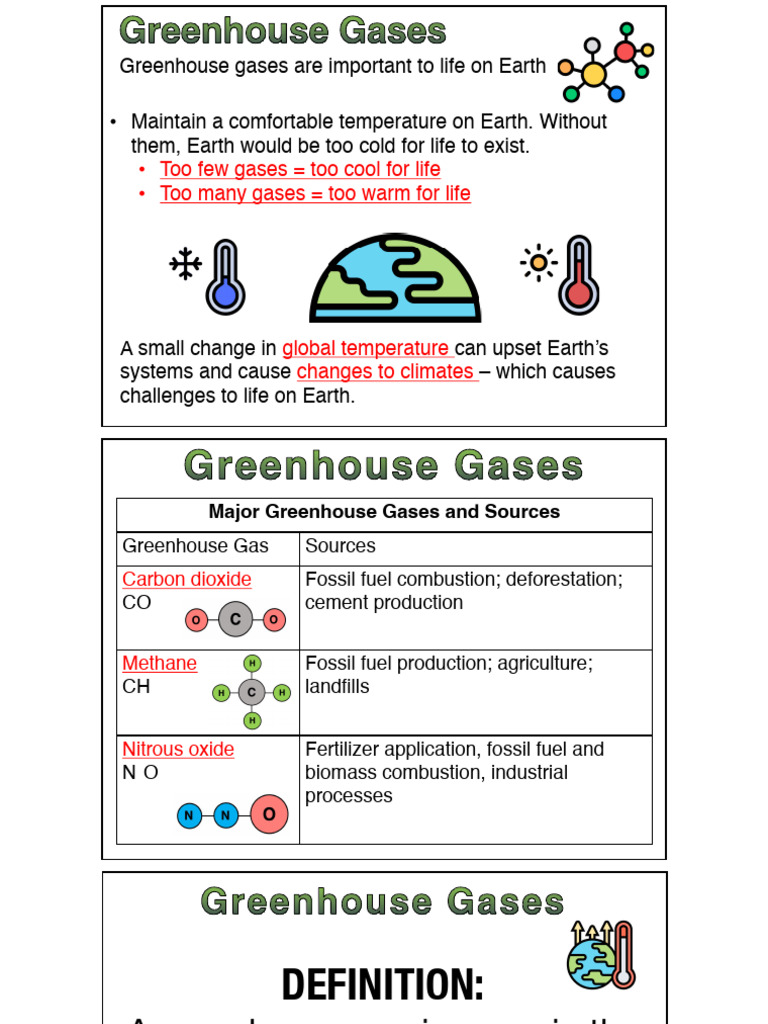
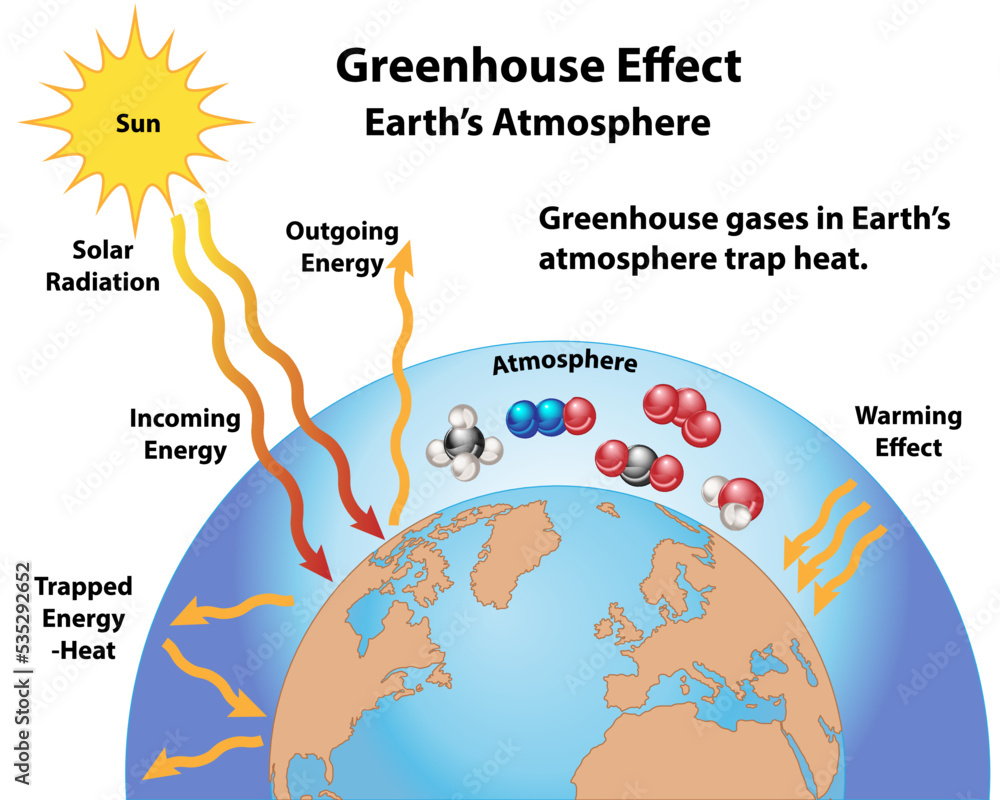
At its essence, the greenhouse effect is a natural process. Imagine Earth as a giant thermos, meticulously designed to maintain a stable temperature. Solar radiation penetrates our atmosphere, warming the surface of the planet. In tandem, this surface emits heat in the form of infrared radiation, which is, unfortunately, partially ensnared by greenhouse gases such as carbon dioxide, methane, and nitrous oxide. These gases act as a warm quilt, retaining heat and sustaining sensible climates conducive to life.
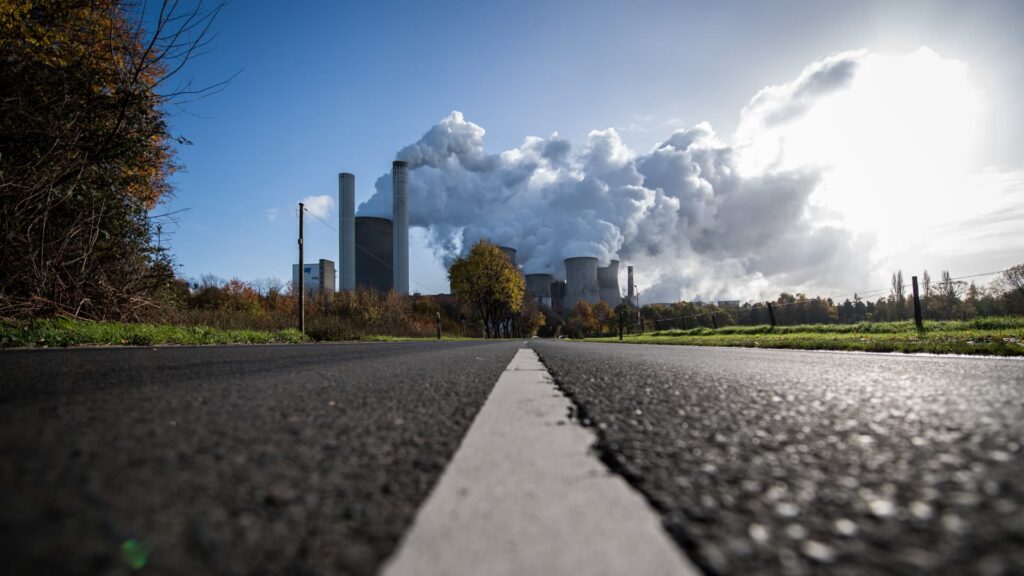
Yet, like a master of illusion, the quaint ambiance of this natural greenhouse is currently beset by a convoluted transformation, instigated significantly by human activity. Throughout history, civilizations have existed in harmony with the Earth’s rhythms. However, the dramatic rise in industrialization has sparked an unprecedented release of greenhouse gases. Operational factories, expansive agriculture, and the omnipresent combustion of fossil fuels have turned our thermos into a teapot on the verge of boiling over.
The question arises: is the predicament of climate change solely a man-made crisis, or is nature also complicit in this turbulent act? The truth requires an exploration of both the innate mechanisms of the greenhouse effect and the malevolent interference of human endeavors. This juxtaposition invokes a reflection on the paradox of progress—advancements that uplift humanity at the expense of the health of our planet.
To further disentangle the duality of the greenhouse effect, we must explore historical precedents. The planet’s climate has undergone variations long before humankind etched its footprint onto this arena. Events such as volcanic eruptions and solar radiation fluctuations have induced profound climate changes. For instance, volcanic activity can spew vast quantities of sulfur dioxide into the atmosphere, temporarily cooling the Earth. Yet these natural phenomena operate within a cyclical pattern that often oscillates over centuries, allowing the planet to recalibrate over time. Humans, however, have entered a scene marked by exponential growth, overwhelming the intricate balance that nature has painstakingly maintained.
Consider, too, the role of deforestation, a steadfast hallmark of industrial development. Each tree felled is akin to yanking threads from that delicate tapestry, unraveling the intrinsic fabric of our ecosystems. Forests act as carbon sinks, absorbing carbon dioxide and producing oxygen. The indiscriminate clearing of these vital organisms invites an influx of greenhouse gases into the atmosphere, exacerbating the very effect that sustains life on Earth. Where nature once thrived, there now lies a stark canvas of desolation.
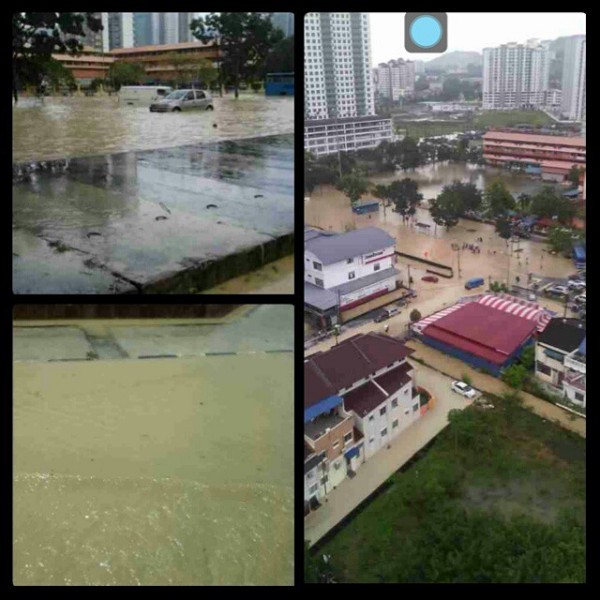
As we scrutinize the intertwining influences of the natural world and human activity, it is vital to acknowledge the repercussions of climate change, which catalyzes a series of cascading crises. The melting of polar ice caps is a prime example, a dire omen heralding rising sea levels that threaten coastal communities. This palpable consequence of climate change manifests as a double-edged sword. The natural world grieves, while humans grapple with the implications of their choices. The agony faced by ecosystems and various wildlife is mirrored by the existential anxiety of countless individuals who bear witness to the persistence of tornadoes, floods, and droughts—events amplified by the forces of climate change.
Amidst this turmoil arises a pertinent discourse on what remedies exist within our reach. As stewards of this planet, we possess the capacity to enact change. Transitioning to renewable energy sources presents an opportunity to peel back the layers of dependency on fossil fuels. Solar panels, wind turbines, and geothermal energy offer promising paths that align human activity with the rhythms of nature, heralding a new dawn in our environmental stewardship.
Moreover, enhancing carbon sequestration techniques holds promise. This endeavor involves not only the preservation of forests but also innovating agricultural practices that mitigate carbon release. Sustainable farming, regenerative land management, and reforestation are strategies that can bolster our resilience against the destructive forces we have unwittingly unleashed.
The conversation surrounding the greenhouse effect urges reflection, demanding a synergy between natural processes and human agency. To merely condemn our existence as a blight upon the Earth is an oversimplification; we embody a dualistic truth, capable of great destruction yet equally endowed with the potential for profound restoration. Nature and humanity entwined share a critical narrative—the story of our choices and the inevitable consequences they generate.
In conclusion, the inquiry into whether the greenhouse effect is natural, man-made, or an intricate blend of both reveals a complex interplay of forces at work. The essence of climate dynamics takes root in the natural world, yet the actions of humankind have drastically altered its trajectory. As we wear the mantle of responsibility for our planet, it falls upon us to become not only spectators but active participants in the restoration of balance. The ultimate trajectory of this intricate dance between nature and humanity will not only define our legacy but will echo through the ages, reverberating in the narratives of generations yet to come.






Leave a Comment