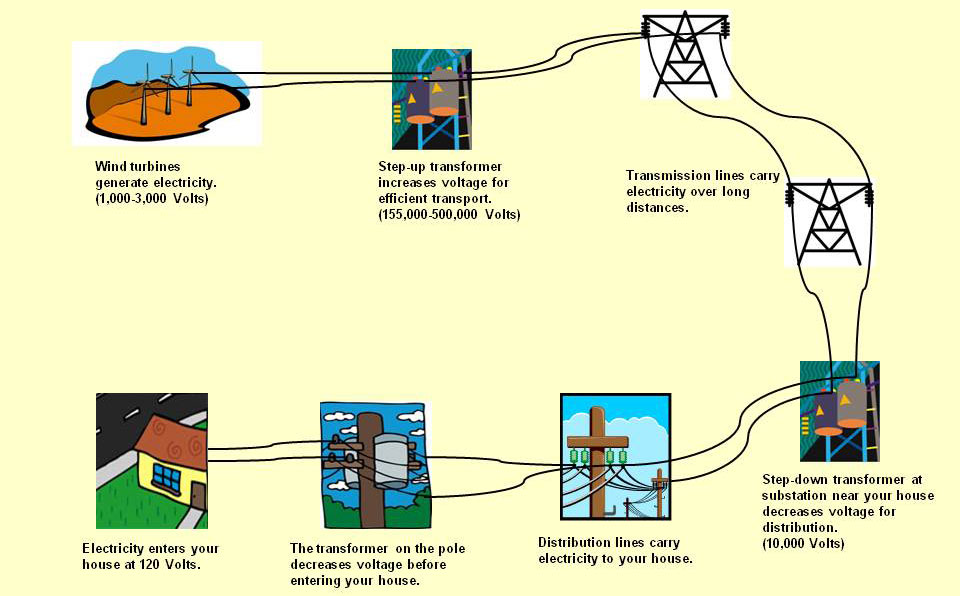
The evolution of renewable energy sources has been remarkable, with wind power emerging as one of the leading alternatives to fossil fuels. Wind turbines, towering and elegant, convert the kinetic energy of wind into electrical energy. However, a critical question arises: how do these wind turbines synchronize with the electricity grid to provide a consistent and reliable supply of power? Understanding this intricate process unveils the sophistication behind wind energy integration.
At the heart of this synchronization lies the concept of frequency. The electricity grid operates at a constant frequency, typically 60 Hz in North America. Wind turbines must not only generate electricity but do so in harmony with the grid’s frequency to avoid disturbances. This necessitates a robust mechanism that allows wind turbines to match the electrical output to real-time demands, a feature known as grid compliance.
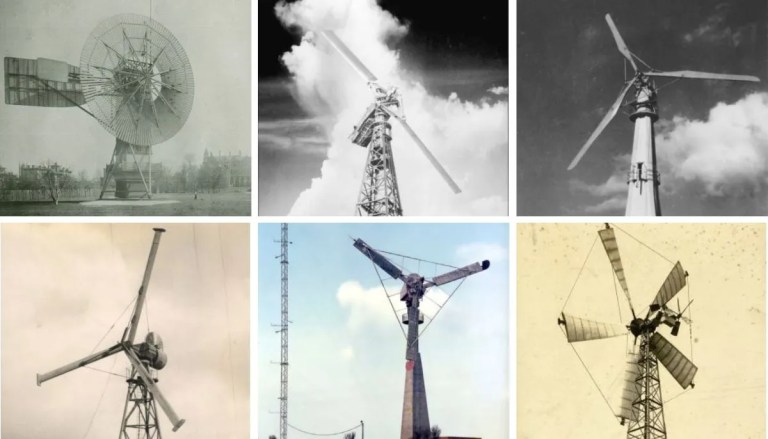
Wind turbines can be categorized primarily into two types: fixed-speed and variable-speed turbines. Each design employs unique methods to ensure synchronization with the grid. Fixed-speed turbines, once the standard in the industry, utilize a constant rotor speed which is directly connected to the grid through a gearbox. While simpler, these turbines are less efficient, especially in fluctuating wind conditions, and can face difficulties in maintaining synchronization during gusty winds.
In contrast, variable-speed turbines represent the cutting edge of wind energy technology. These turbines employ sophisticated control systems and power electronics, allowing them to adjust the rotor speed in response to changing wind conditions. This flexibility enables them to maintain synchronization more effectively with the grid, ensuring minimal voltage fluctuations. Variable-speed systems use a combination of synchronous generators and power converters to modulate the output frequency, a feat that also enriches the quality of the power supplied.
Moreover, modern turbines are equipped with advanced control systems that leverage real-time data. Sensors embedded in the turbine gather information about wind speed, direction, and electrical output. This real-time monitoring facilitates predictive adjustments, allowing the turbine to adapt tightly to grid requirements. For instance, if there is a sudden drop in wind speed, the turbine can decrease its output to avoid overloading the system. Conversely, an increase in wind can lead to a rapid response that ensures maximum energy capture without destabilizing the grid.
Incorporating wind turbines into the grid involves more than just matching frequency. Voltage regulation is another crucial aspect of ensuring that wind energy contributes positively to the overall stability of the electricity network. Wind farms must maintain voltage levels within specified limits; otherwise, there is a risk of equipment damage or grid failures. Technology known as “reactive power” management comes into play here. By adjusting the reactive power output—measured in VARs (volt-amperes reactive)—turbines can help stabilize voltage levels across the grid.
A pivotal element in the interaction between wind turbines and the electricity grid is the concept of energy storage. Wind power is inherently intermittent, meaning it does not always produce electricity when it’s most needed. Energy storage systems, such as batteries and flywheels, can store surplus energy generated during high-wind periods. This stored energy can then be released during low-wind conditions or peak demand times, thus enhancing overall grid reliability. The integration of energy storage systems offers a strategic buffer that helps synchronize supply and demand.
As renewable energy continues to expand, regulatory mechanisms and grid infrastructure adaptations are necessary to accommodate the influx of wind power. Grid operators employ forecasting techniques to predict wind generation, enhancing their ability to manage loads more effectively. By leveraging sophisticated forecasting models, they can predict turbine output based on weather patterns, thus optimizing grid performance and integration schedules.
Collaboration among various stakeholders also plays a crucial role in the synchronicity of wind power with the electricity grid. This entails the joint efforts of turbine manufacturers, utility companies, and regulatory bodies to create standardized protocols that facilitate smooth operations across different regions. The establishment of interoperability standards ensures that wind energy plants can communicate effectively with the grid, adjusting operations dynamically to align with grid needs.
Furthermore, the geographical distribution of wind farms is vital. Strategically located wind turbines can diversify energy sources, reducing the impact of localized weather systems on electricity generation. Distributed generation effectively lessens the likelihood of large-scale failures and enhances the resilience of the electricity grid. This geographical aspect complements the technical elements, underscoring the multifaceted nature of wind energy synchronization.
In the future, the integration of artificial intelligence and machine learning technologies promises to elevate the efficiency of wind turbine synchronization with the grid. These innovations can analyze vast amounts of operational data, optimizing performance under varied conditions. By refining algorithms for predictive maintenance and energy output forecasting, these technologies can not only enhance the responsiveness of wind turbines but also significantly reduce downtime and maintenance costs.
In summary, the synchronization of wind turbines with the electricity grid is a comprehensive and intricate endeavor that encapsulates various technological, environmental, and regulatory factors. The interplay between fixed and variable-speed turbines, along with advanced control mechanisms, facilitates this harmony. Additionally, the role of energy storage, proactive grid management, and collaborative efforts among stakeholders cannot be understated. This multifaceted synergy not only exemplifies the inherent potential of wind energy but also signifies a step towards a more sustainable and resilient power future.






Leave a Comment