The greenhouse effect—an intrinsic phenomenon of our planet—often elicits a range of reactions. Many regard it merely as a driver of climate change, but a closer examination reveals a complex interplay of natural and anthropogenic forces that shape life on Earth. This article endeavors to explore how the greenhouse effect orchestrates our ecosystem, influences biodiversity, and ultimately affects human existence.
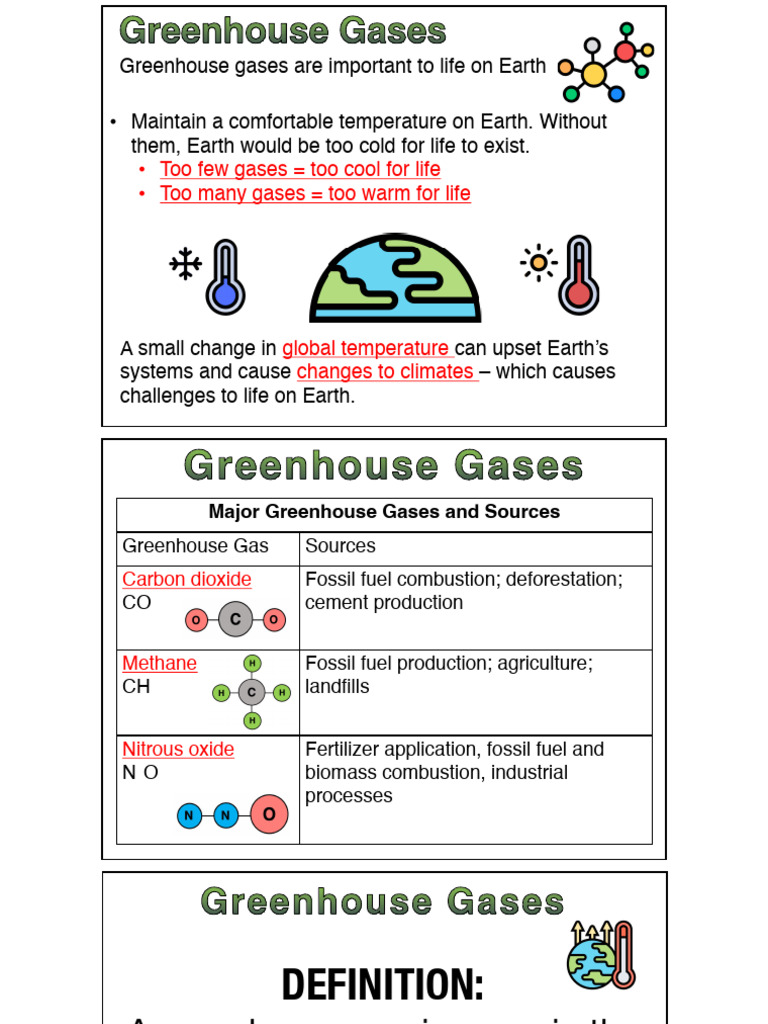
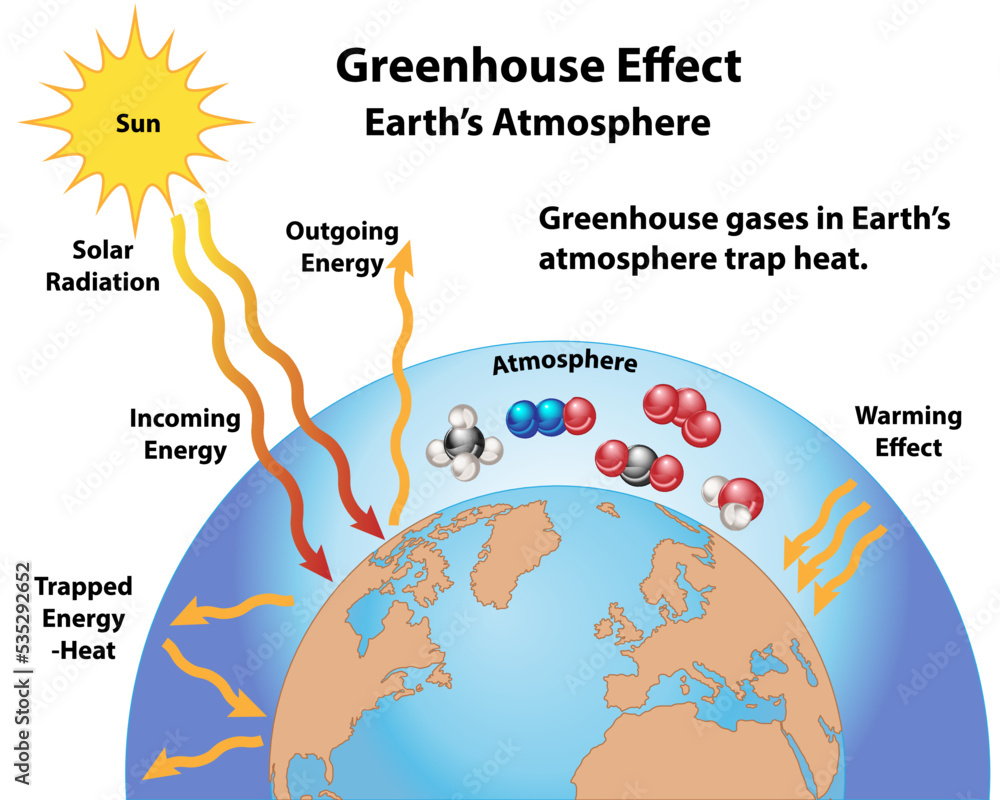
To understand the greenhouse effect, one must first grasp its mechanics. This effect occurs when certain gases in the Earth’s atmosphere, known as greenhouse gases (GHGs), trap heat from the sun. These gases—primarily carbon dioxide (CO2), methane (CH4), and nitrous oxide (N2O)—form a protective blanket that retains heat, thereby fostering a warmer planet. Without this natural regulation, the Earth would be inhospitably cold, with average temperatures hovering around -18°C (0°F) instead of the current balmy 15°C (59°F).
This vital insulating layer has birthed life as we know it. The warmth allows for the existence of liquid water, a fundamental element for all known forms of life. Water bodies, nestled in a temperate climate, are teeming with biodiversity. From microscopic phytoplankton to colossal blue whales, the oceans serve as reservoirs of life, thriving in conditions enabled by the greenhouse effect.
Moreover, the greenhouse effect is indispensable for maintaining the delicate balance of ecosystems. Terrestrial biomes, from lush rainforests to arid deserts, have flourished under the climatic influences of GHGs. For instance, tropical rainforest ecosystems depend on consistent, warm temperatures and adequate moisture, both of which are sustained through the greenhouse effect. The interdependency of species within these ecosystems showcases a multifaceted web of life that thrives, flourishes, and evolves in response to its environment.
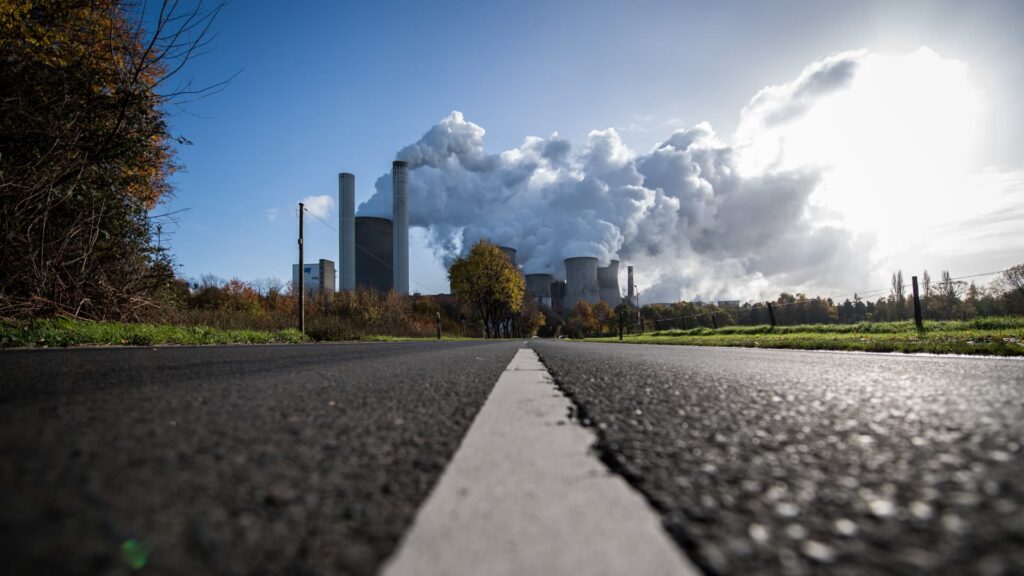
However, the intersection between human activity and the greenhouse effect introduces an unsettling complexity. As populations burgeon and industrialization accelerates, the concentration of greenhouse gases in the atmosphere has reached unprecedented levels. The burning of fossil fuels, deforestation, and agricultural practices contribute significantly to this escalation. Each contribution augments the greenhouse effect, leading to climate change—a term that has outgrown its initial meaning and now encapsulates a myriad of global crises.
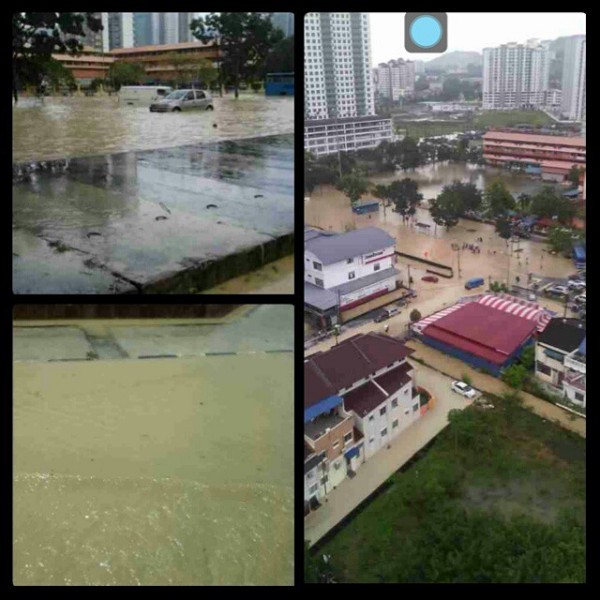
The ramifications of an enhanced greenhouse effect manifest in various, often alarming, ways. Elevated temperatures lead to melting polar ice caps and glaciers, contributing to rising sea levels. Coastal cities, where millions reside, face increased flooding and erosion, underscoring the immediate threats posed by climatic shifts. Yet, the ramifications extend far beyond geographic boundaries; they unfold as systemic challenges that threaten the very fabric of human life and our natural surroundings.
Moreover, the intricacies of climate change reverberate across biomes, forcing wildlife to adapt, migrate, or face extinction. For example, polar bears, reliant on sea ice for hunting, find their habitat dissolving beneath their feet, compelling them into unfamiliar territories. Similarly, coral reefs—vibrant underwater cities that support myriad species—are bleached as ocean temperatures rise, rendering them uninhabitable. These cascading effects highlight a poignant truth: the greenhouse effect is not just an abstract concept; it is a direct influencer of survival and extinction.
In the realm of agriculture, the greenhouse effect holds dual implications. While a moderate rise in temperature can extend growing seasons and augment yields, the unpredictability wrought by climate change endangers food security. Frequent extreme weather events, such as droughts and floods, decimate crops and disrupt supply chains. The cyclical nature of agricultural planning becomes a formidable challenge as farmers strive to adapt to a shifting climate, grappling with the tenuous balance between sustainability and productivity.
The narrative of the greenhouse effect invites a call to action, compelling us to reevaluate our relationship with the planet. Transitioning towards renewable energy sources, such as solar or wind power, is essential in mitigating our GHG emissions. Similarly, reforestation and sustainable land use practices can heal our ecosystems, while reducing the atmospheric burden of carbon dioxide. Collectively, individuals, communities, and nations must galvanize efforts to combat climate change, fostering a symbiotic relationship with the environment that prioritizes preservation over consumption.
As stewards of this planet, humanity possesses the unique ability to influence the trajectory of our future. The intricate dynamics of the greenhouse effect can no longer be relegated to the background of environmental discourse; they demand our attention and immediate action. In forging a sustainable path forward, embracing innovative technologies, and fostering community resilience, we uphold the delicate balance of life on Earth that the greenhouse effect sustains.
In conclusion, while the greenhouse effect can be understood as a natural phenomenon crucial for life, its anthropogenic amplification has profound consequences that resonate across all levels of the biosphere. It serves as a reminder of our intrinsic connection to nature, urging us to protect the delicate systems that allow life to flourish. Adopting a comprehensive understanding of this dynamic will enable us to navigate the complexities of climate change, preserving the planet for generations to come.





Leave a Comment