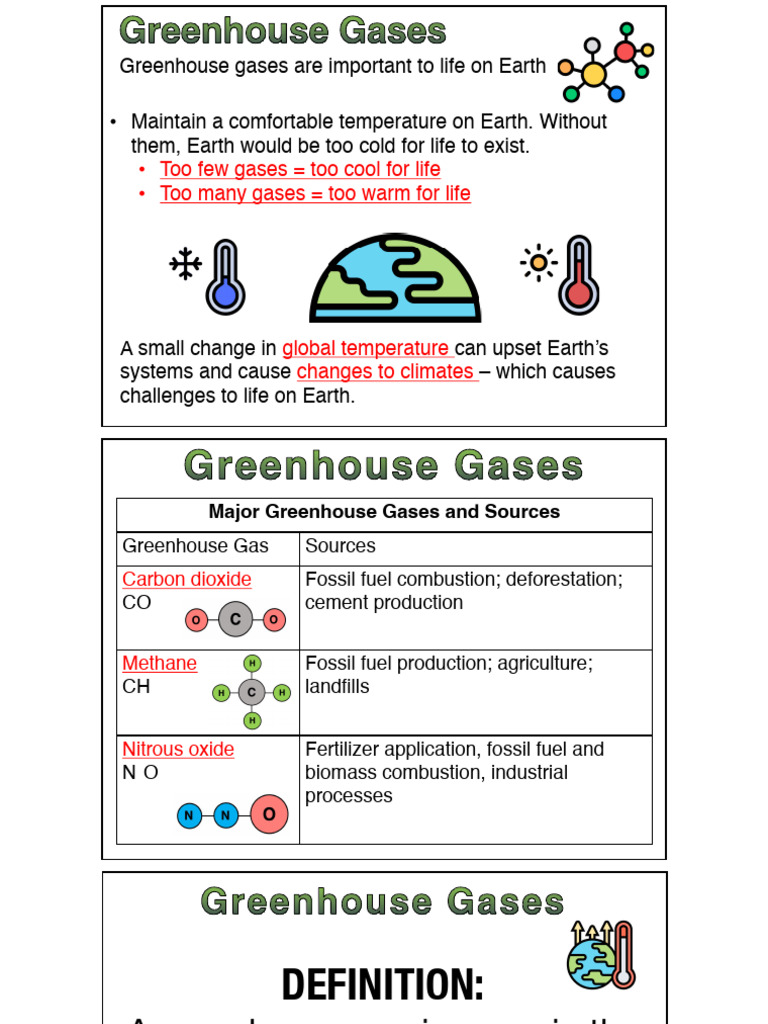
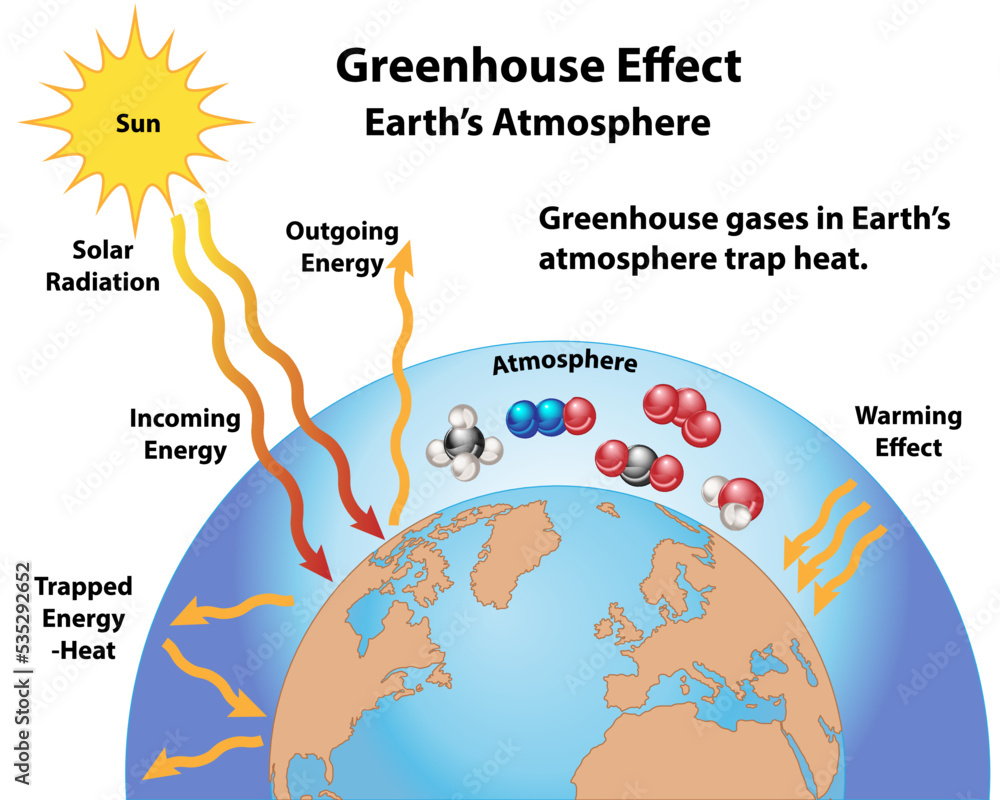
The greenhouse effect, while a natural phenomenon, has been exacerbated by human activities, leading to unprecedented shifts in our global climate system. Understanding how this process accelerates climate change is crucial for fostering awareness and catalyzing action. The greenhouse effect is primarily attributed to the accumulation of greenhouse gases (GHGs) in the atmosphere. These gases, such as carbon dioxide (CO2), methane (CH4), and nitrous oxide (N2O), trap heat from the sun, creating a warming effect that is fundamental for sustaining life on Earth. However, the augmentation of these gases due to anthropogenic activities has tipped the balance, necessitating an in-depth exploration into the mechanics of this phenomenon.
To begin with, the origins of the greenhouse effect can be traced back to the late 19th century, when scientists first noted the correlation between atmospheric gases and temperature. The pivotal role of greenhouse gases became more pronounced with the industrial revolution, which heralded an era of massive fuel combustion, deforestation, and waste accumulation. As populations swelled and industries flourished, the release of GHGs surged, resulting in an enhanced greenhouse effect. The consequences of this amplification are numerous, affecting ecosystems, weather patterns, and human settlements.
One of the most insidious effects of the intensified greenhouse effect is the escalation of global temperatures. Average surface temperatures have been on a relentless rise, with the last decade marking the warmest in recorded history. This increase, although seemingly marginal at first glance, translates into severe repercussions for ecological balance and ultimately human survival. Warmer temperatures catalyze the melting of polar ice caps and glaciers, leading to rising sea levels that threaten coastal communities around the globe. As the ocean rises, not only do many habitats become inundated, but the salinity of coastal waters also increases. This salinization adversely impacts freshwater supplies and aquatic ecosystems, fundamentally altering the biodiversity of those regions.
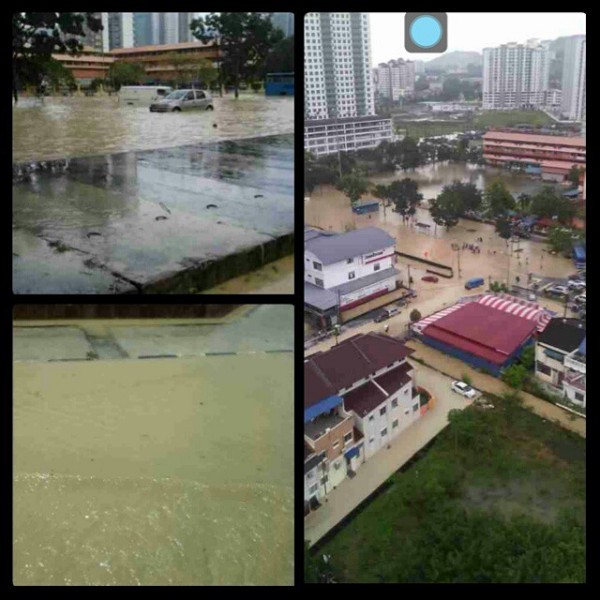
Moreover, the rise in global temperatures leads to a domino effect on weather patterns. Unpredictable climatic events such as hurricanes, droughts, and floods have become more frequent and severe. The recent history of extreme weather is a testament to this acceleration in climate change; hurricanes are intensifying, and droughts are lengthening. These events do not only displace populations but also strain resources, leading to food insecurity and potential conflict over dwindling supplies. The agricultural sector, which relies heavily on predictable weather patterns, faces significant challenges as changing climates disrupt planting and harvesting cycles.
The ramifications of the greenhouse effect extend beyond immediate environmental impacts and seep into socio-economic fabric. Climate change exacerbates existing inequalities, with marginalized communities often bearing the brunt of its impacts. Vulnerable populations lack the resources and infrastructure necessary to adapt to rapidly changing environments, making them disproportionately affected by phenomena such as extreme heat and flooding. Social justice issues emerge, as those who are least responsible for the crisis often face the harshest consequences. This provides a compelling argument for climate action that integrates social equity considerations.
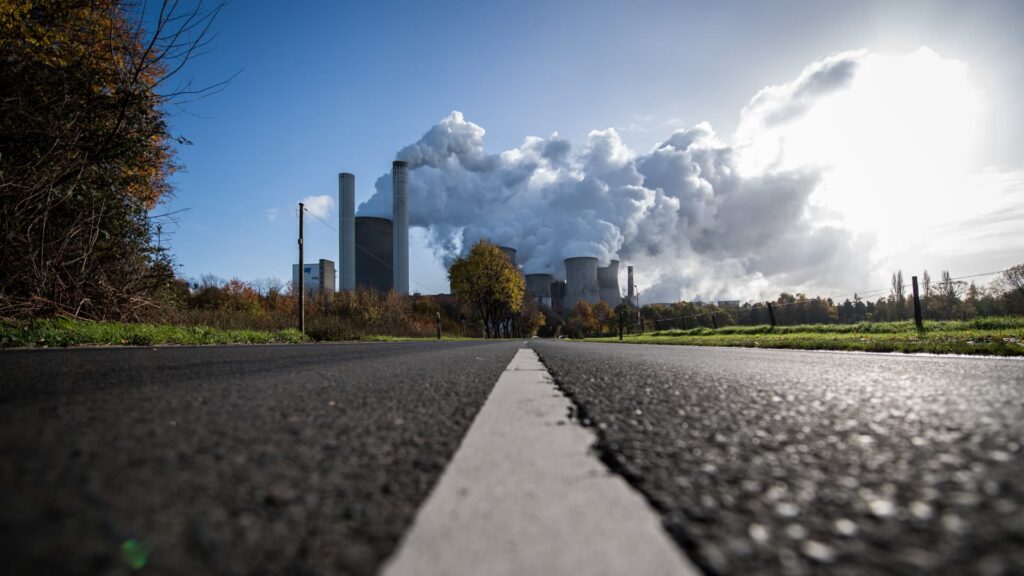
In examining the specific greenhouse gases, it becomes evident that their individual characteristics markedly differ in terms of their potency and longevity in the atmosphere. Carbon dioxide, for instance, while less effective at trapping heat than methane, persists for millennia, making it a significant contributor to long-term warming. Methane, on the other hand, is found to be over 25 times more effective than CO2 at trapping heat over a 100-year period, albeit with a shorter atmospheric lifespan. This disparity underscores the need for targeted strategies to mitigate emissions from different sources — such as fossil fuel combustion, agricultural practices, and waste decomposition — which are responsible for these gases’ proliferation.
The interplay between various gases and the ecosystems affected further complicates the narrative. Forests and oceans serve as crucial carbon sinks, absorbing vast amounts of CO2. However, deforestation and oceanic degradation reduce these natural buffers, exacerbating the greenhouse effect. Protecting and restoring these ecosystems, therefore, emerges as an essential component of climate mitigation efforts. Innovative methods such as reforestation, afforestation, and sustainable land practices can substantially enhance the capacity of these natural systems to sequester carbon.
Technological advancements also hold promise in the battle against climate change. Renewable energy sources, including solar, wind, and hydroelectric power, offer viable alternatives to fossil fuels, reducing overall GHG emissions. Carbon capture and storage (CCS) technology provides a means to directly remove CO2 from the atmosphere, thus addressing some of the most pressing emissions. However, these technologies must be deployed equitably and sustainably, ensuring that their implementation does not lead to negative social or environmental consequences.
As the recognition of climate change as a pressing global issue solidifies, the importance of international cooperation becomes apparent. Agreements such as the Paris Accord aim to unite nations in their efforts to reduce greenhouse gas emissions. By collectively striving towards limiting the increase in global temperatures, countries can foster resilience against the adverse effects of climate change. Collaborative initiatives that promote sustainable development and technological transfer are vital in empowering developing nations to leapfrog to greener practices.
In summation, the interplay between the greenhouse effect and climate change is multifaceted, intertwining environmental, social, and economic threads into a complex tapestry that requires urgent action. As understanding grows, so too does the imperative for individuals, communities, and governments to engage in meaningful dialogue and actionable solutions. The path forward is not merely one of mitigation, but one of adaptation, resilience, and most importantly, collective effort. Embracing this responsibility will ensure a more sustainable world, capable of confronting the challenges posed by a warming planet.





Leave a Comment