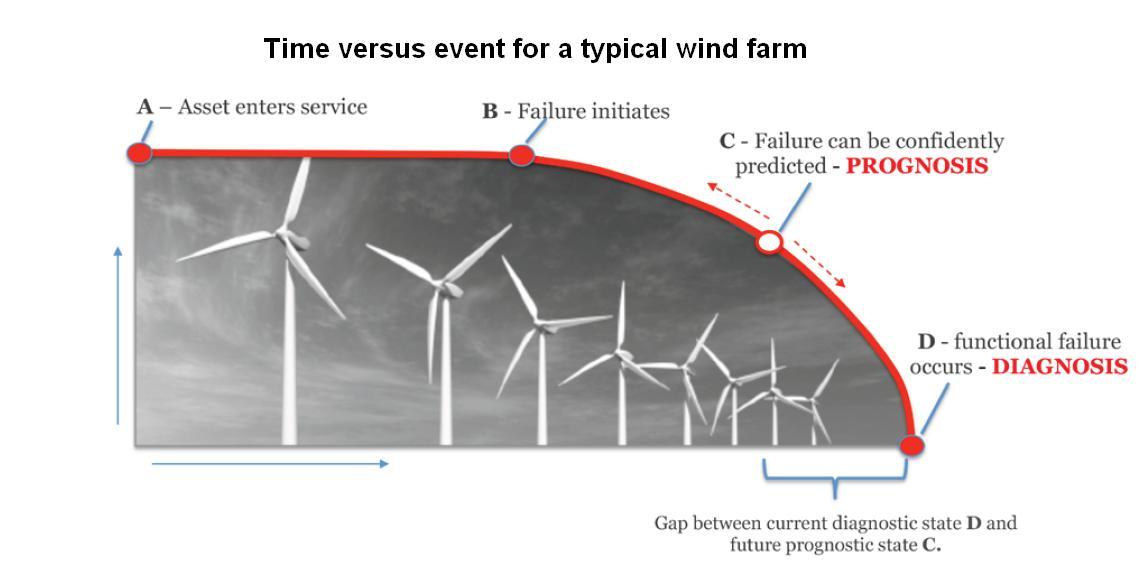
Wind power, often heralded as one of the quintessential renewable energy sources, is a beacon of hope in the quest for sustainable living. As turbines rise majestically against the horizon—akin to sentinels guarding the earth—they harness nature’s dynamic forces. Yet, there lies an insidious enigma in their operation: the capriciousness of the wind itself. The question emerges, then, how often do these monoliths of modern technology find themselves at a standstill, due to a lack of sufficient wind?
To grasp the impact of insufficient wind on turbine efficiency, it is essential to delve into the anatomy of wind energy generation. Wind turbines convert kinetic energy from the wind into electrical energy. However, this transformation hinges on wind velocity; each turbine has a specific range it requires to operate optimally. Generally, winds must gust between 9 to 25 miles per hour for most commercial turbines to produce electricity effectively. Beyond this threshold, the turbines must shut down to prevent damage—a protective measure akin to a long-distance athlete retreating to the sidelines to avoid injury.
Despite the romantic ideal of wind energy being omnipresent, the reality is often starkly different. In many regions, wind patterns exhibit a seasonality that reflects the rhythms of nature. For instance, coastal areas may experience a plethora of windy days in the autumn and winter months yet languish during the temperate summers. This variance conjures a metaphor of an artist whose paintbrush dances across the canvas with fervor one season, only to grow exasperatingly still in the next. Consequently, there are substantial periods when wind availability dips below optimal levels.
According to statistical assessments, wind turbines may experience ‘calm days’—those frustratingly still afternoons more often than one might imagine. For many enthusiasts of renewable energy, data collected over the years illustrates a trend: regions dependent solely on wind energy can find themselves grappling with a significant percentage of downtime. On average, wind turbines may generate electricity just 30 to 50 percent of the time, depending on locale and environmental conditions.
Consider the intricate balance of the environment. Just as ecosystems thrive on diversity, so too do wind patterns fluctuate due to myriad factors: geography, topography, and even human influences serve as chess pieces on this intricate board. Tall mountains may block winds, just as urban landscapes create vortexes that render localized wind generation futile. A turbine, once an enthusiastic participant in the energy grid, becomes a passive observer—a juxtaposition that highlights the inherent chaos of nature versus human expectation.
Moreover, the phenomenon of ‘wind droughts’ bears critical examination. These extended periods of reduced wind activity can plague regions, diminishing energy output significantly and leaving reliance on wind energy more precarious. When these droughts coincide with peak energy demands, such as during sweltering summer months or frigid winter evenings, the ramifications can be profound. Analogous to the parched earth yearning for rain, the grid may strain under the weight of unfulfilled demand.
So what are the implications of insufficient wind on a macro scale? The intermittent nature of wind energy can engender substantial challenges for energy policy and infrastructure. The integration of wind into the energy grid requires foresight and technological foresight; energy storage solutions become indispensable in managing the ebb and flow of power supply. The notion of energy diversification emerges as vital, advocating for a symbiosis of renewable sources: wind paired with solar, hydroelectric, and even geothermal energy to create a more resilient energy tapestry.
Transitioning towards a more harmonized approach introduces an element of hope. Just as a symphony harmonizes disparate instruments to create a cohesive melody, a mosaic of renewable resources can elevate the promise of energy security. The technological advancements in energy storage, such as lithium-ion batteries and pumped hydro storage, offer a glimpse into a future where the wind’s fickleness can be tamed. Such innovations allow energy to be harnessed during gusty days and dispatched during calmer ones—retrieving energy from the vaults of nature as an astute banker would preserve capital for future endeavors.
The dialogue on wind energy must also encompass the socio-economic dimensions. The intermittent nature of wind can lead to volatile energy prices, directly impacting consumers and businesses. Understanding the market’s nuances is vital for ensuring equitable energy distribution as societies whisk towards that sustainable ideal. It brings to mind an unsettling truth: as winds waver, so too does the very fabric of our energy system. The economic implications ripple outward, affecting livelihoods and altering the energy landscape of nations.
In navigating these complexities, collaboration emerges as essential. Policymakers, engineers, and environmental advocates must coalesce, fostering a dialogue rich with ideas and solutions that forge a path forward. Investing in research, exploring alternative technologies, and furthering the conversation on climate resilience will engender an environment where wind energy does not merely serve its purpose, but thrives.
As we stand on the precipice of a renewable energy revolution, the question remains: How often is there not enough wind to power turbines? The answer is nuanced, a tapestry woven with the threads of unpredictability and hope. It is a reminder that nature, while bounteous, cannot be wholly harnessed. In our pursuit of sustainability, let us embrace the unpredictable dance of the wind, adapting and innovating as we strive toward a centennial legacy that respects the whims of our planet while championing the vigor of renewable energy.






Leave a Comment