
As the world grapples with climate change and the dire necessity for sustainable energy sources, the allure of wind power stands formidable. It beckons a shift in our perspectives on energy consumption and generation. One might wonder: how much power is produced by a single wind power plant? To understand the implications of this question, we must navigate through various elements that govern the ability of these magnificent structures to harness nature’s zephyrs.
To begin unraveling the enigma, we should first consider the components that define a wind power plant. Typically comprised of multiple wind turbines, these installations can vary significantly in scale. They may be situated onshore, where the terrain presents unique challenges and advantages, or offshore, where the wind resources are often more potent and consistent. The configuration of these turbines—ranging from small units to gargantuan machines—greatly influences the electricity output of the plant.
Central to understanding power production is the concept of capacity. Capacity refers to the maximum output a wind turbine can deliver under optimal conditions, usually expressed in megawatts (MW). A modern turbine might have a capacity ranging from 2 to 10 MW, with some avant-garde designs even surpassing this threshold. However, this figure only tells part of the story. The actual amount of electricity generated depends on the capacity factor, which considers the variability of wind speeds and turbine efficiency.
Capacity factors typically hover between 30% and 50% for onshore wind farms. This variability results from weather patterns and localized wind conditions. In contrast, offshore turbines can achieve higher capacity factors, often exceeding 50%, due to the consistent winds found over open waters. This distinction highlights a critical consideration when assessing overall power output from a single wind power plant.
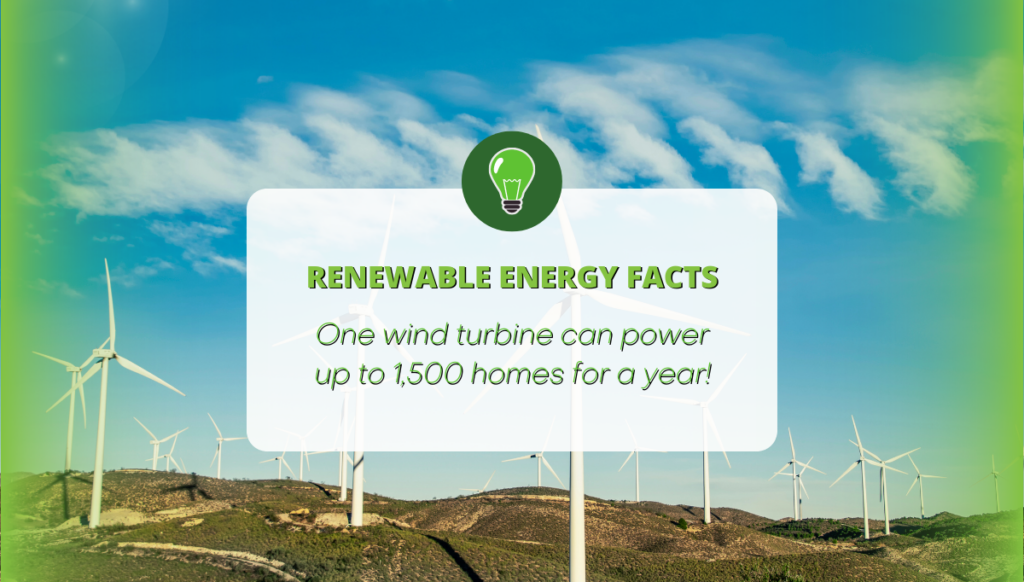
To illustrate, let us envision a hypothetical wind power plant endowed with 10 turbines, each boasting a capacity of 3 MW. Under optimal conditions, the total installed capacity would amount to 30 MW. However, accounting for a capacity factor of 40%, the effective output would be around 12 MW on average. Thus, over the course of a year, this operation could yield approximately 105,120 megawatt-hours (MWh) of electricity—enough to power over 9,000 American homes for an entire year.
This figure raises pertinent questions regarding the broader implications of wind power. How does this amount of energy production resonate with our current global energy demands? The answer is staggeringly optimistic. Wind energy contributes to a burgeoning share of the global electricity supply, a shadow of what is achievable. With continued investments and technological advancements, a single wind power plant could indeed power vast expanses of infrastructure, from residential neighborhoods to sprawling industrial complexes.
Another crucial aspect to consider is the ecology of wind farms. The installation of wind power plants must be meticulously planned to mitigate environmental impacts. These large-scale operations can alter local ecosystems and affect wildlife, particularly birds and bats, which may fall victim to turbine blades. Thoughtful site selection and the incorporation of advanced technologies, such as bird detection systems, are essential in balancing renewable energy generation with wildlife preservation. The promise of renewable energy rests not just in its capacity for generation, but in the harmony it can achieve with nature.
Moreover, the economic benefits of wind power are profound and multifaceted. Wind power plants create jobs—both in construction and ongoing operation. They invigorate local economies through land leases and tax revenues, which can be funneled into public services and infrastructure development. A singular wind power plant, thus, is not merely an isolated unit of electricity generation but a catalyst for community growth and resilience.
As we peer into the future, the trajectory of wind power promises excitement and inclusivity. New technologies, such as vertical-axis wind turbines and enhanced storage solutions, are emerging on the scene, amplifying the potential for energy capture and utilization. The growth in distributed energy systems will empower individuals and communities to participate actively in energy production, shifting the narrative from passive consumption to proactive stewardship of resources.
However, beneath this optimism lurks a momentous challenge: public perception. Achieving significant power production from wind inevitably requires overcoming societal hesitations toward infrastructure developments. It entails meaningful discussions about the aesthetics of landscapes and the palpable impact of climate change. An informed and engaged citizenry is paramount in navigating these complexities and advocating for transformative energy policies.
In conclusion, the answer to the question of how much power is produced by a single wind power plant transcends mere numbers. It encapsulates a narrative bridging ingenuity, ecological mindfulness, and economic empowerment. As the global community confronts the pressing realities of climate change, wind energy stands as a beacon of hope, urging us to rethink our relationship with power generation. The promise lies in our collective ability to harness the winds not only for electricity but for a sustainable future that benefits not just us, but generations to come.






Leave a Comment