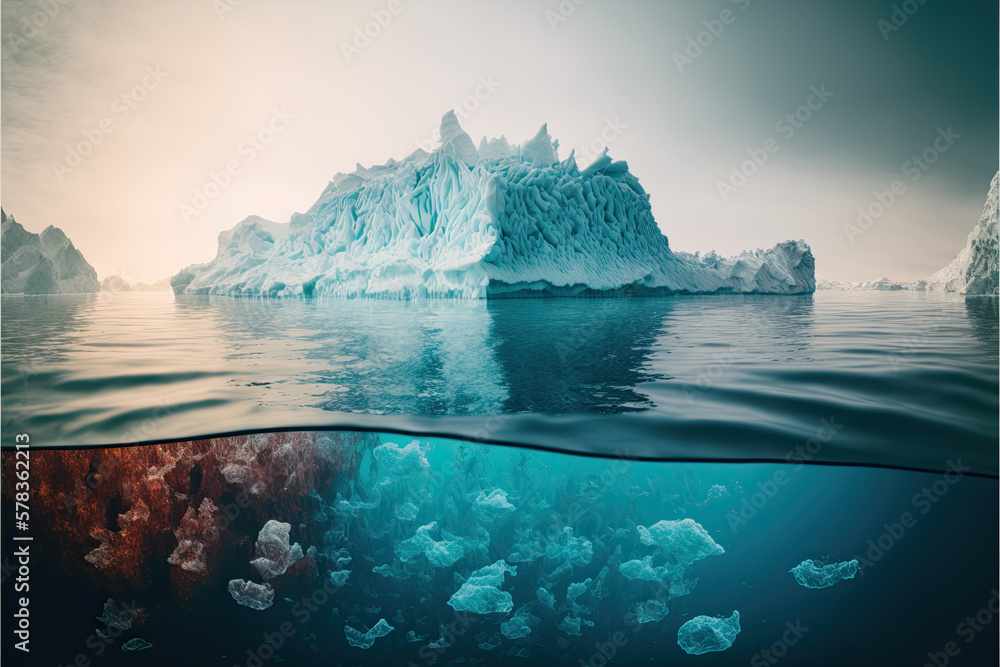
As the world grapples with the stark realities of climate change, the phenomenon of sea level rise has emerged as one of the most palpable manifestations of this global crisis. Among the myriad contributors to this unsettling trend, the melting of glaciers stands out as both a compelling and alarming subject of discourse. The confluence of climatic shifts, human activity, and glacial dynamics raises critical questions about the role of glaciers in our planet’s hydrological cycle and, importantly, how much of sea level rise can be attributed to their lyrical yet precarious melt.
The Earth’s glaciers, vast reserves of freshwater locked in ice, have captivated human imagination for centuries. Their sublime beauty, along with the ecosystems they support, testify to an intricate interplay between natural forces. Yet, the alarming rate at which these glaciers are depleting has transformed our awe into concern. It is vital to delve into the mechanics behind this transformation, examining how melting glaciers contribute to the broader narrative of sea level rise.
To comprehend the impact of melting glaciers, one must first understand the multifaceted nature of sea level rise itself. The two principal mechanisms driving this phenomenon include thermal expansion of seawater due to rising temperatures and the addition of freshwater from melting ice reserves—both particularly pertinent in the context of glaciers. Current scientific estimates suggest that approximately 25% of global sea level rise is attributable to the melting of glaciers, an assertion that underscores the urgency of the matter.
Glaciers can be categorized into two primary types: alpine glaciers, which are found in mountainous regions, and polar glaciers, which reside in the Arctic and Antarctic. Each type contributes differently to sea level rise. The World Glacier Monitoring Service has reported alarming trends in glacier mass loss, particularly from major mountain ranges such as the Himalayas, Andes, and Rockies. These alpine glaciers, while smaller in volume compared to the polar counterparts, collectively release substantial freshwater into our oceans as they recede—a stark reminder of the fragile ecosystem from which they originate.
On the other hand, polar glaciers wield a more formidable influence over sea level dynamics. The immense ice sheets of Greenland and Antarctica harbor vast quantities of frozen water. As these ice sheets undergo unprecedented melt, they contribute significantly to rising sea levels, especially in the case of the Greenland Ice Sheet, where recent years have seen accelerated rates of melt. Notably, the Antarctic Peninsula has experienced drastic ice loss due to warmer ocean currents eroding the ice shelves, further exacerbating the situation. Herein lies the crux of the concern: the intricate balance of temperature, ocean dynamics, and glacial melt serves as a harbinger for coastal communities worldwide.
However, the relationship between melting glaciers and sea level rise encompasses more than sheer volume. It is intertwined with a complex web of climatic phenomena, such as feedback loops that can amplify melting rates. For instance, as glaciers recede, they expose darker surfaces beneath, reducing albedo and allowing for greater absorption of solar radiation, which accelerates warming and subsequently drives even more melt. This cascading effect creates an insidious cycle, where the implications of glacier melt extend far beyond coastal inundation.
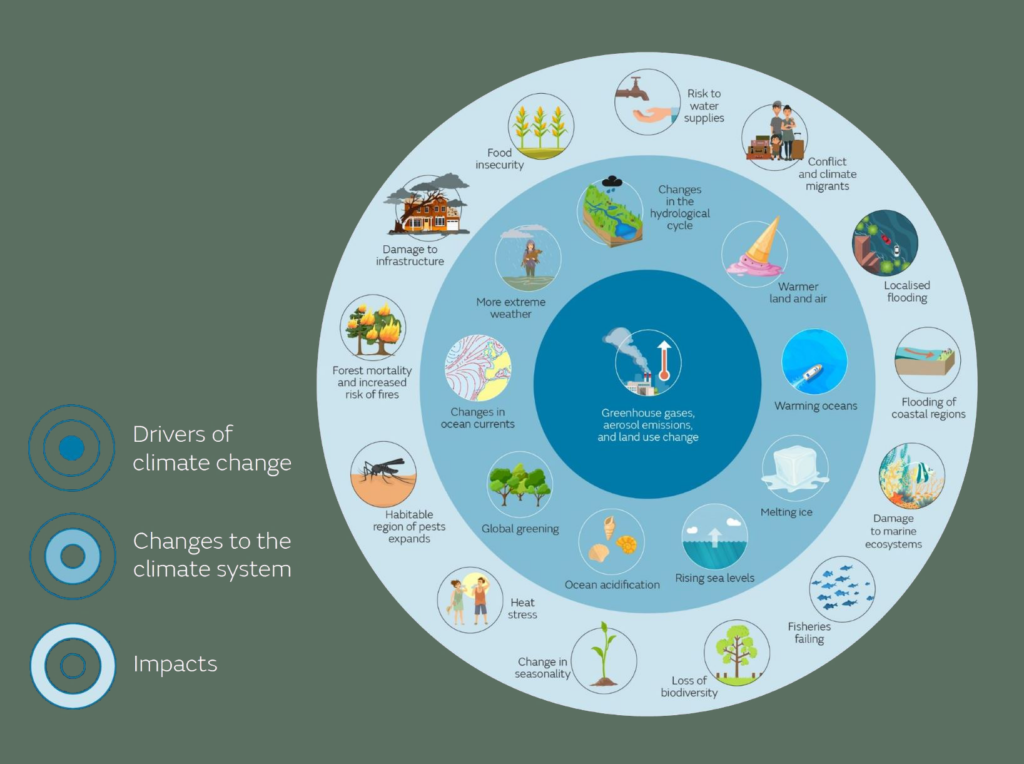
As sea levels rise, the effects are felt not solely by immediate coastal communes but also resonate globally. The displacement of populations, disruption of local economies, and degradation of ecosystems pose dire consequences for affected regions. Climatic refugees—those forced to leave their homes due to environmental changes—emerge as a provocative symbol of the broader impacts of glacier melting. The sociopolitical ramifications are profound; nations struggling with resource scarcity may find themselves embroiled in conflicts exacerbated by rising tides.
One cannot overlook the role of human activity in this narrative. Industrialization, deforestation, and the burgeoning demands placed on natural resources have significantly contributed to the climatic conditions favoring glacial melt. As the planet warms, not only do glaciers shrink, but the very infrastructure of human societies, heavily reliant on stable climatic conditions, becomes increasingly jeopardized. The question arises: Are we prepared to address the consequences of our actions, and how can we pivot to mitigate further harm?
The exploration of the link between glacier melt and sea level rise is not merely an academic exercise but rather an urgent call to action. Evaluating the environmental and moral imperatives in confronting climate change is essential. International cooperation and policy implementation are paramount in striving toward sustainable practices that address the root causes of climate change while fostering resilience within vulnerable communities.
In conclusion, the interplay between melting glaciers and rising sea levels is not just an environmental statistic; it is a multilayered narrative that underscores the fragility of our planet and the complexities of human existence upon it. As we face an escalating crisis, understanding the contributions of glaciers to sea-level rise becomes crucial. It is not enough to observe the phenomenon from a distance; decisive action and profound reflection are necessary as we navigate the uncertain future that awaits our planet.







Leave a Comment