In a world increasingly plagued by the specter of climate change and environmental degradation, the quest for sustainable energy sources has become more vital than ever. Among the myriad of renewable energy options, wind power stands out as a compelling contender. But how much electricity can wind power really generate? This question, though seemingly straightforward, opens the door to a complex analysis of technology, geography, and sheer force of nature itself.
At its core, wind power harnesses the kinetic energy of moving air and converts it into electricity. The efficacy of this transformation depends largely on the design and technology of wind turbines. Modern wind turbines, with their towering blades and advanced engineering, have drastically improved our ability to capture and utilize wind energy. But this still begs the question: just how much electricity can these colossal structures generate?
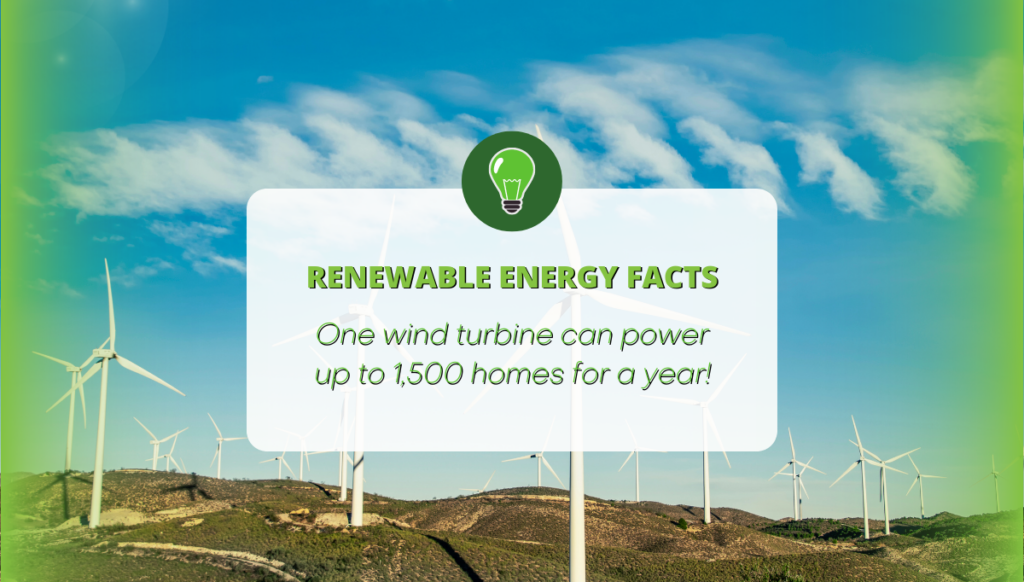
Let’s start with the basics: the capacity of wind turbines. A single turbine can produce anywhere from 1.5 to 3 megawatts of electricity during optimal conditions. In layman’s terms, this is enough to power approximately 500 to 1,000 homes, depending on their energy consumption. Imagine a sprawling wind farm composed of dozens, if not hundreds, of these giants stretching across the horizon; the potential for energy generation is monumental. But what happens when the winds are fickle, or when the conditions are less than perfect? This is where our narrative ventures into more intricate territory.
Wind speeds play a crucial role in determining the output of a wind turbine. The optimal wind speed for maximum energy production typically hovers between 25 to 50 miles per hour. However, efficiency dramatically diminishes when wind speeds drop below around 7 miles per hour. This variability introduces instability into the equation. As you ponder this, one might playfully ask: is it fair to rely on a power source that dances to the whims of the wind? This inconsistency presents a tantalizing challenge for energy planners and engineers alike.
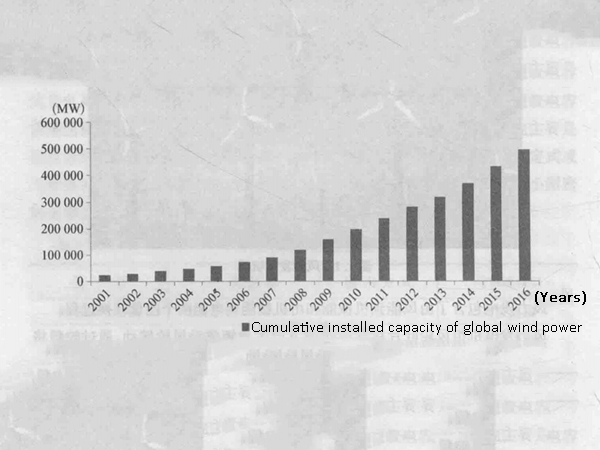
Despite the challenges posed by variable wind conditions, the aggregated output from a series of turbines—often located within vast wind farms—can yield substantial electricity production. According to empirical data, as of recent decades, wind power has accounted for a remarkable fraction of global electricity generation, edging towards around 10% in various regions. In some countries, this figure has skyrocketed even higher. For instance, Denmark has achieved nearly 48% of its electricity from wind. It stands as a bastion of renewable energy, captivating the world with its success. Is this a model for other nations to emulate?
Geographical factors also play an undeniable role in the generation capacity of wind energy. Some locations are draped in consistent and robust winds, while others experience more erratic patterns. Coastal areas, open plains, and elevated terrains typically reap the benefits of consistent wind currents. The strategic placement of wind farms in these prime locations can optimize energy output substantially. The South Dakota plains or the shores of the North Sea serve as prime exemplars, where turbine chargers can energize homes without the harmful emissions associated with fossil fuels.
However, the success of wind power isn’t solely dependent on environmental factors. Advances in technology are critically reshaping the landscape of wind energy generation. Innovations such as larger turbine blades and taller towers are allowing wind farms to tap into stronger, more reliable winds at greater heights. These developments amplify energy capture, making it feasible to harness wind energy even in previously considered suboptimal regions. The inherent question remains: can technological advancements outpace the variability inherent in wind patterns?
Moreover, the interconnection of wind power with energy storage systems adds yet another layer of complexity. Batteries and other storage technologies can store excess energy produced during blustery days, ensuring that electricity is still available on calmer days. However, it’s paramount to acknowledge that widespread implementation of these storage solutions is still a burgeoning field, with costs and efficiency continuously under examination. The intricate ballet of generation, consumption, and storage must synchronize perfectly to maintain a balanced grid, especially as more of our energy comes from inherently variable sources like wind.
As countries ramp up their commitment to mitigate climate change effects, the reliance on wind energy is expected to proliferate. The International Energy Agency has projected that wind energy capacity could triple within a few years. This burgeoning interest raises important considerations about the social and economic ramifications of transitioning to wind power on a larger scale. Can we balance the ecosystem’s integrity with our insatiable energy needs?
One cannot overlook the aesthetic and ecological controversies surrounding wind farm installations. While they epitomize a forward-thinking energy approach, communities often grapple with the visual implications and the impact on local wildlife. The challenge lies in finding harmony between harnessing renewable resources and preserving the natural environment. How do we navigate these complex waters without compromising our ecological responsibilities?
In essence, the potential for wind power generation is vast and tantalizing, yet riddled with challenges that require innovative solutions. As we stand on the precipice of this energy revolution, it is clear that wind holds a significant place in our future energy portfolio. The journey to maximizing wind energy’s potential demands not only technological innovation but also a societal commitment to embracing sustainable solutions. Are we ready to rise to that challenge, harnessing the playful power of the wind to propel us toward a cleaner, greener tomorrow?






Leave a Comment