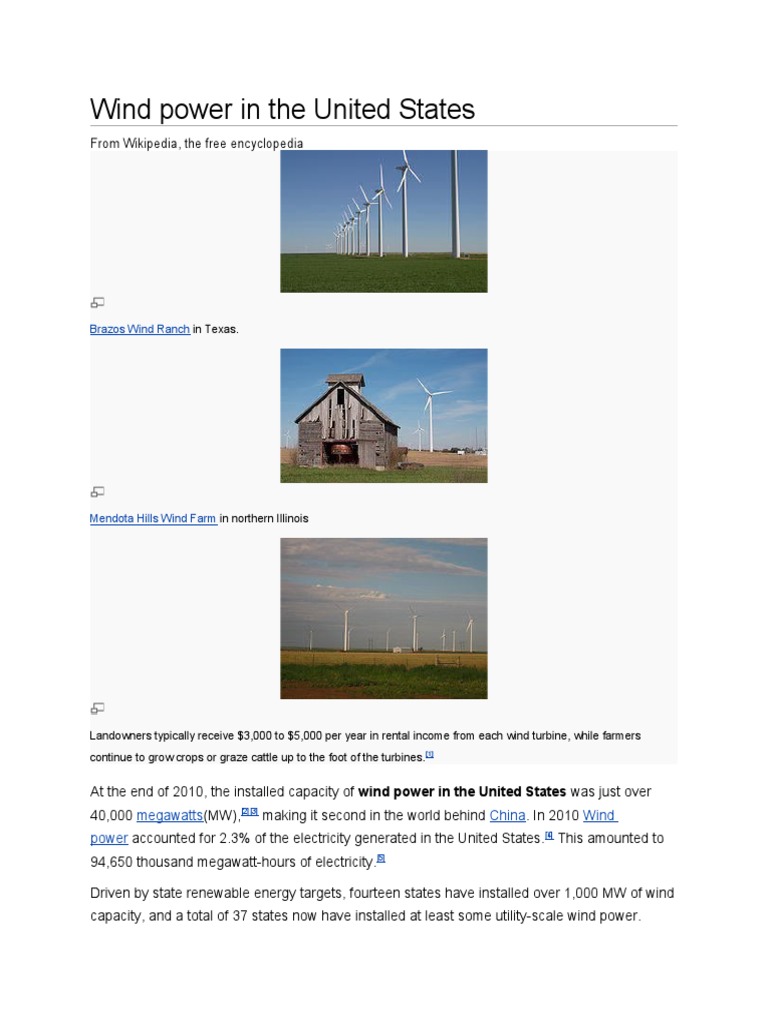
As the United States grapples with the escalating crisis of climate change and the increasing demand for sustainable energy solutions, the exploration of renewable energy sources has never been more urgent. Wind power, in particular, has emerged as a formidable contender in the quest for clean energy. This article delves into the intricate question: How many wind turbines would it take to power the entire U.S.? By examining various facets of wind energy, including capacity, energy consumption, and technological advancements, we lay bare the potential of wind power as a cornerstone of America’s energy future.
Understanding U.S. Energy Consumption
To contextualize the magnitude of this challenge, we must first grasp the scale of energy consumption in the United States. The U.S. is a nation of about 331 million people, with an insatiable appetite for energy. According to recent estimates, the total annual energy consumption in the U.S. hovers around 4 trillion kilowatt-hours (kWh). This staggering figure encompasses residential, commercial, and industrial sectors, revealing the daunting level of energy that needs to be replaced with renewable sources.
The Role of Wind Energy
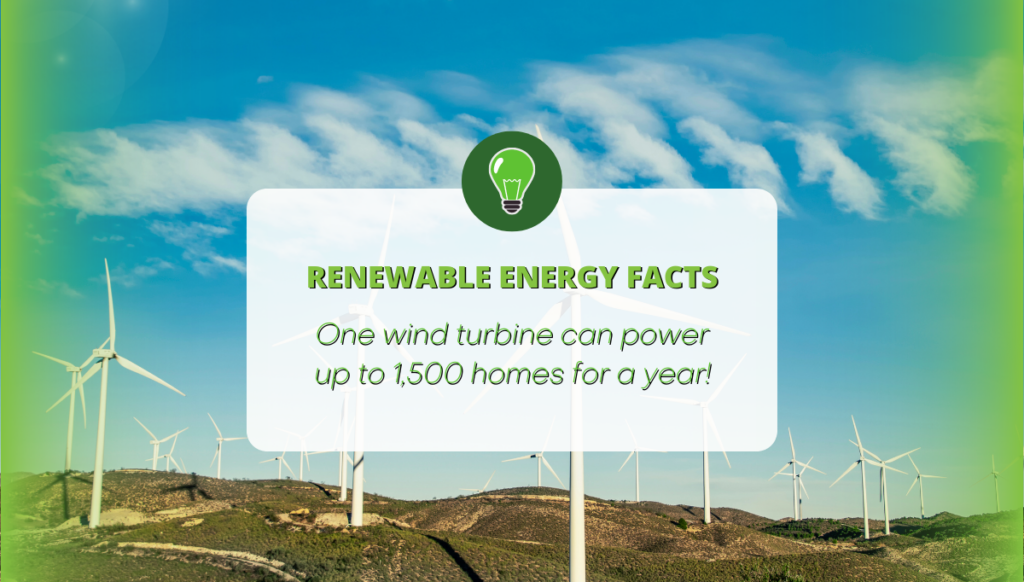
Wind energy has gained traction as a viable alternative due to its renewable nature, minimal greenhouse gas emissions, and increasingly competitive costs. Wind turbines convert kinetic energy from the wind into electricity. The average onshore wind turbine has the capacity to generate about 2 megawatts (MW) of power, although this figure can vary significantly based on design and location. Offshore wind turbines typically boast higher capacities, with some exceeding 10 MW.
Calculating the Number of Turbines Needed
With an understanding of average turbine capacity, we can embark on the calculations needed to estimate how many turbines would be required to power the entire nation. If we assume an average onshore wind turbine capacity of 2 MW, a single turbine operating at full capacity can generate approximately 4,400 MWh annually. Let’s break down the math. To power the entire U.S. with wind energy, we would need roughly:
- Total U.S. energy consumption: 4 trillion kWh (or 4,000,000,000 MWh)
- Annual output of one turbine: about 4.4 MWh
- Total turbines required: 4,000,000,000 MWh / 4.4 MWh ≈ 909,090 turbines
Thus, around 909,090 onshore wind turbines would be needed to fulfill the entire energy requirement of the United States. This number may seem insurmountable, yet it provides vital insight into the scale of commitment necessary for a renewables-based future.
Factors Affecting Turbine Efficiency
In reality, windpower generation is not a straightforward affair. Several factors can influence turbine output. Chief among these is the wind’s availability and speed, which varies by geographic location. Regions like the Great Plains exhibit high average wind speeds, making them ideal for wind farms. Conversely, locations with less wind availability can require a larger number of turbines to achieve the same output.
Moreover, technological advancements continuously enhance turbine efficiency, allowing for greater energy capture. Turbines are becoming larger and more sophisticated, boasting improved blade designs and materials that enable operation in lower wind conditions. Consequently, as technology evolves, the actual number of turbines required may decrease.
Land Use and Environmental Considerations
The physical footprint of wind turbines must also be addressed. While the turbines themselves occupy a relatively small area, the infrastructure necessary for wind farms, including access roads and transmission lines, can considerably alter landscapes. Strategically sited wind farms can coexist with agriculture and grazing land, minimizing conflict with other land uses. Additionally, it’s imperative to consider the environmental impact on local wildlife, particularly avian populations that may be affected by turbine placement.
Economic Implications
Transitioning to a wind-centric energy landscape raises economic considerations. Investments in wind energy infrastructure can create jobs, stimulate local economies, and reduce reliance on fossil fuels. However, initial capital costs for wind farm development remain significant. Policymakers and investors must craft frameworks that facilitate a transition, incentivizing the deployment of wind energy while gradually phasing out fossil fuel subsidies.
Policy and Grid Integration
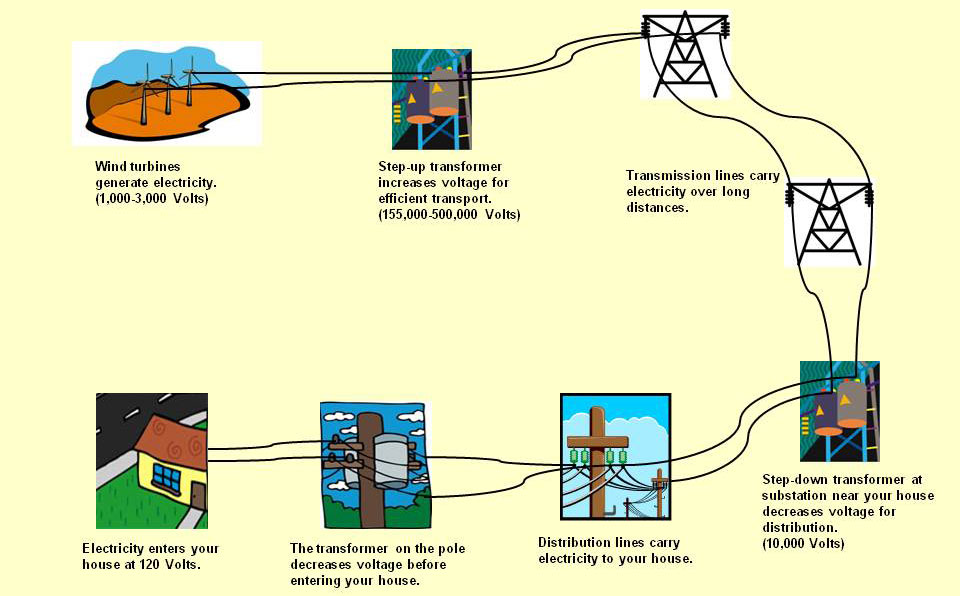
Affirmative national policies are paramount for the extensive integration of wind energy into the grid. Regulatory frameworks ought to adapt to enable smooth interconnection of wind farms, ensuring that generated electricity is efficiently distributed. Aggressive renewable energy targets, storage solutions for intermittent power generation, and modern grid management systems are vital for unlocking wind energy’s full potential. As the grid evolves, synchronizing traditional energy sources with renewables will remain a complex but critical objective.
The Future of Wind Energy
Despite the quantifiable challenges, the prospects of wind energy are enlivening. As global momentum builds towards decarbonization, wind power is poised to become a linchpin of the U.S. energy landscape. Continued research, investment, and community engagement will be imperative in refining wind technology and its deployment strategy. With commitment and collaboration, the audacious goal of powering the United States through wind energy may transform from aspiration into reality.
In conclusion, the intricate interplay of technology, policy, and environmental stewardship will determine how effectively the U.S. can harness the winds of change. The question of how many wind turbines it would take to power the entire U.S. serves as both a mathematical inquiry and a critical call to action. As the nation stands at a pivotal juncture, the wind’s energetic promise beckons—a clarion call for innovation, investment, and resolve in our pursuit of a sustainable future.






Leave a Comment