
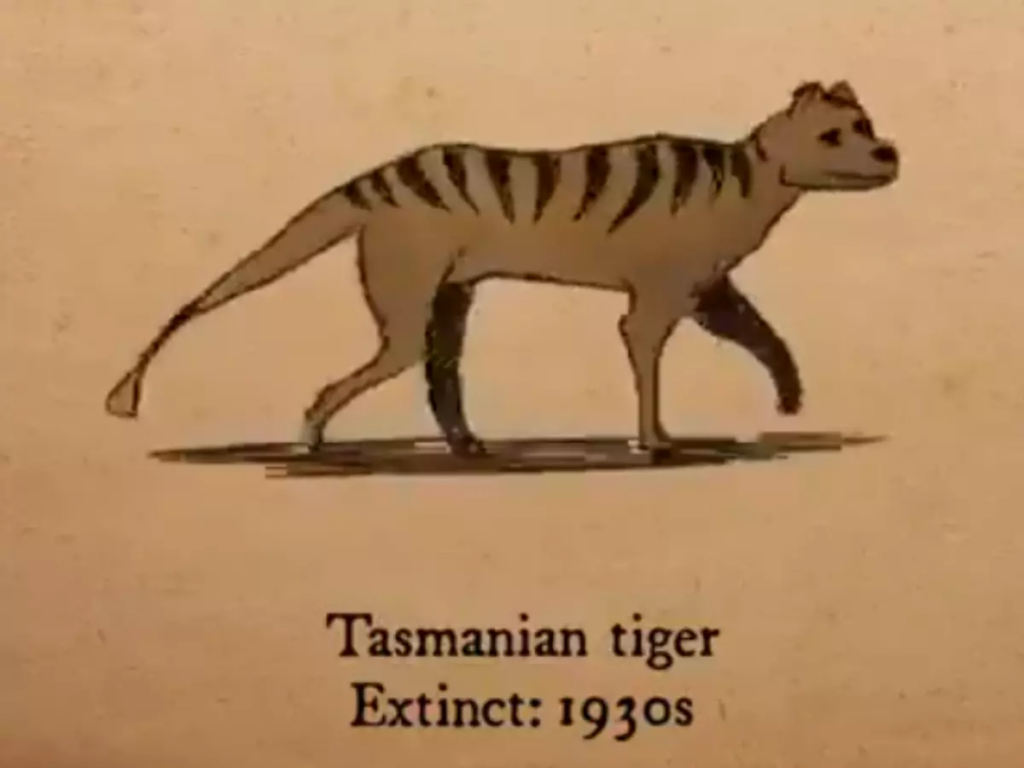
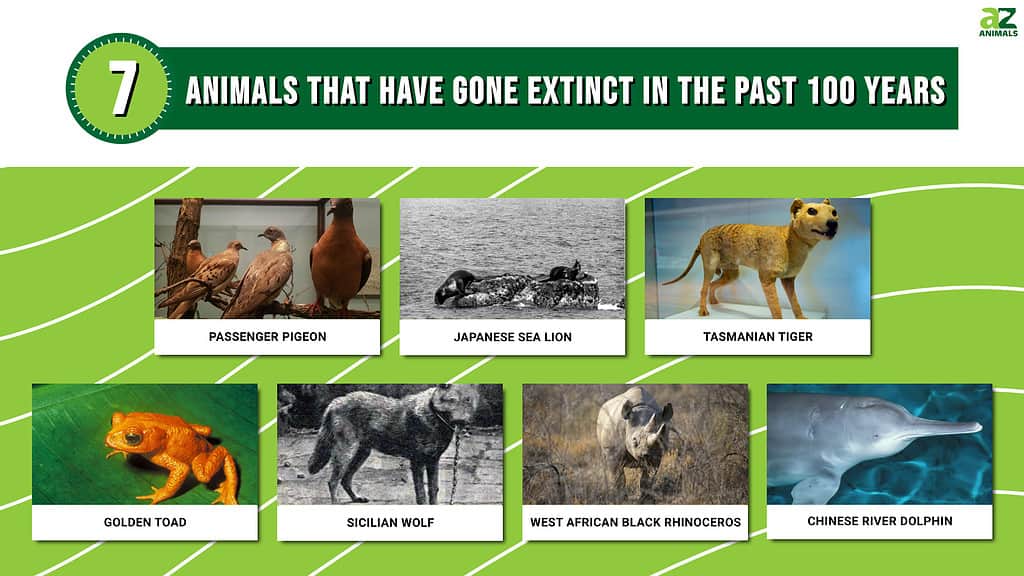
The contemplation of humanity’s impact on the natural world often invokes a crucial question: how many species have we directly driven to extinction? As stewards of this planet, we possess the authority and responsibility to nurture the environment, but we have also wielded the power to irrevocably alter the tapestry of life. From dodo birds to passenger pigeons, the echoes of past extinctions reverberate throughout our ecosystems, compelling us to consider the ramifications of our actions. Indeed, it’s a playful yet somber inquiry: could we name even a fraction of the beings who, due to our negligence or avarice, have faded from existence? To truly grasp the enormity of this tragedy, we must delve into a statistical exploration of biodiversity loss, examine the mechanisms behind these extinctions, and ultimately confront the ethical dilemmas that arise from our actions.
First, it is essential to comprehend the vast biodiversity of our planet. Biologists estimate that approximately 8.7 million species inhabit Earth—a staggering number that encompasses everything from microorganisms to majestic mammals. Yet, the unfortunate parallel to this bewildering diversity is the equally astounding rate of extinction. Scientists suggest that without human intervention, extinction rates would be naturally low, with only a handful of species disappearing each century. However, since the advent of modern civilization, extinctions have accelerated at an alarming pace, prompting researchers to quantify the damage. According to some estimates, around 1 species goes extinct every 20 minutes, often attributed to human influence.
Unpack the underlying causes of this accelerated extinction rate, and we encounter a complex array of factors. Habitat destruction stands as one of the foremost perpetrators, driven by urban sprawl, agriculture, and deforestation. The relentless expansion of human settlements encroaches upon the delicate habitats of countless species, forcing them into a perilous competition for dwindling resources. The loss of habitat not only disrupts ecosystems but also decimates the very foundations of biodiversity. Moreover, invasive species, often introduced by human activity, exacerbate these challenges. These unwelcome visitors outcompete native species for food and territory, further driving many to the brink of extinction.
The narrative of extinction is also intertwined with the deleterious impacts of climate change. A direct consequence of industrialization, anthropogenic climate change has begun to overwrite the natural rhythms of the Earth, leading to shifts in temperature, precipitation patterns, and the availability of resources. Species that cannot adapt quickly enough to these changes find themselves imperiled. Marine life is particularly vulnerable; coral reefs, often cited as the “rainforests of the sea,” are suffering widespread degradation. The intricate ecosystems these reefs support are not merely beautiful but are essential to countless species’ survival.
It’s vital to emphasize that the extinctions we witness today are not merely statistics on a page. These losses reverberate through ecosystems, leading to unforeseen consequences for those species that remain. The passenger pigeon serves as a poignant illustration of this phenomenon. Once numbering in the billions, the passenger pigeon was eradicated by rampant hunting and habitat destruction. Today, the absence of such a keystone species has had profound implications for the dispersal of seeds and the health of forest ecosystems, demonstrating that all species, regardless of their size, play an integral role in maintaining ecological balance.
As we grapple with these harsh realities, one cannot overlook the moral implications of our interactions with the natural world. The extinction of a species signifies not merely the loss of a unique genetic heritage but also the ethical breach of a covenant between humanity and nature. We have a collective responsibility to preserve the life forms with which we share this planet. Yet, as stewards, our stewardship is often tainted by ignorance or shortsightedness. The question then arises: what actions can be taken to rectify the wrongs of the past? How can we reverse the tide of loss?
One ray of hope lies in the burgeoning field of conservation biology. Through concerted efforts to protect endangered species and restore habitats, communities around the globe are endeavoring to combat the forces of extinction. Initiatives aimed at preserving biodiversity not only seek to save species on the brink but also foster a greater appreciation for the interconnectedness of life. Consequently, raising awareness about the importance of conservation can galvanize individuals and communities to take action. Engaging with local organizations, advocating for sustainable practices, and supporting environmental policies can greatly contribute to the aims of conservation.
The journey towards recovery is fraught with challenges, yet, by fostering a deeper understanding of the issues at hand, we can instill a renewed sense of urgency in addressing extinction. Humanity’s legacy is at stake; we can choose to be the architects of destruction or the champions of life. The era of negligence must yield to one of responsibility, where the fate of every species that shares our planet is viewed as a reflection of our own humanity.
As we ponder the profound question of how many species have been driven to extinction by our actions, we are reminded of an enduring truth: the health of our planet is interconnected with our own survival. The path ahead requires collective resolve, innovative thinking, and a steadfast commitment to honoring the delicate symphony of life. Let us rise to the occasion and redefine our role—not as conquerors of nature, but as its vigilant protectors.







Leave a Comment