As the world grapples with the ever-looming specter of climate change, the quest for sustainable energy sources has taken precedence in public discourse. Among renewable technologies, wind energy stands out, characterized by its ability to harness the Earth’s natural resources to produce clean electricity. But how effectively can wind energy, an often-misunderstood power source, translate into tangible benefits for households? The inquiry leads us to an intriguing exploration: How many homes can wind energy power?
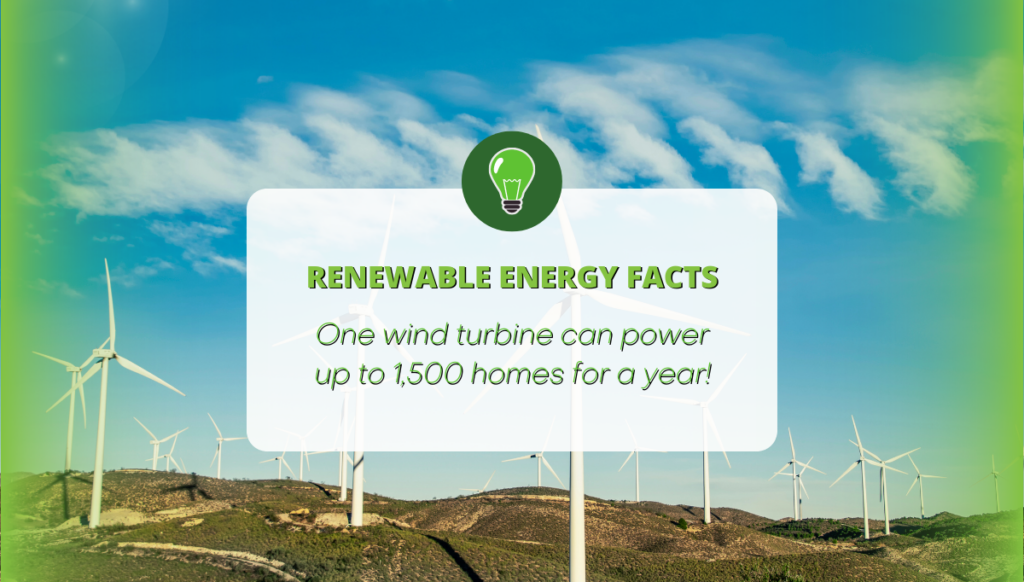
At the outset, it is vital to understand the mechanics of wind energy production. Wind turbines convert kinetic energy from wind into electrical energy. The size and capacity of these turbines significantly influence the amount of energy they generate. A standard onshore wind turbine has a capacity of around 2 to 3 megawatts (MW), while offshore versions can yield even more, reaching up to 10 MW. One MW can power approximately 800 to 900 average American homes, depending on the location and the energy consumption patterns prevalent within those homes. It’s imperative to grasp how these figures feed into the larger narrative of energy production and consumption.
When discussing how many homes can be powered by wind energy, one must consider several variables: turbine efficiency, wind speed, and energy consumption patterns. Wind energy output is not static; it fluctuates based on geographical and meteorological conditions. Regions with consistent and strong winds, such as coastal areas or the Great Plains, can significantly bolster wind energy production. In contrast, areas with sporadic gusts may see diminished returns, prompting a need for supplemental energy sources.
Wind farms, comprising multiple turbines, work synergistically to create a significant energy output. A medium-sized wind farm with ten turbines, each having a 2.5 MW capacity, can produce around 25 MW total. This output could potentially power approximately 22,500 homes based on the aforementioned calculations. However, this scenario assumes optimal conditions—a rare paradigm that necessitates careful planning and forecasting in energy production. The International Renewable Energy Agency (IRENA) posits that to achieve a robust energy infrastructure, the integration of various renewable sources is paramount.
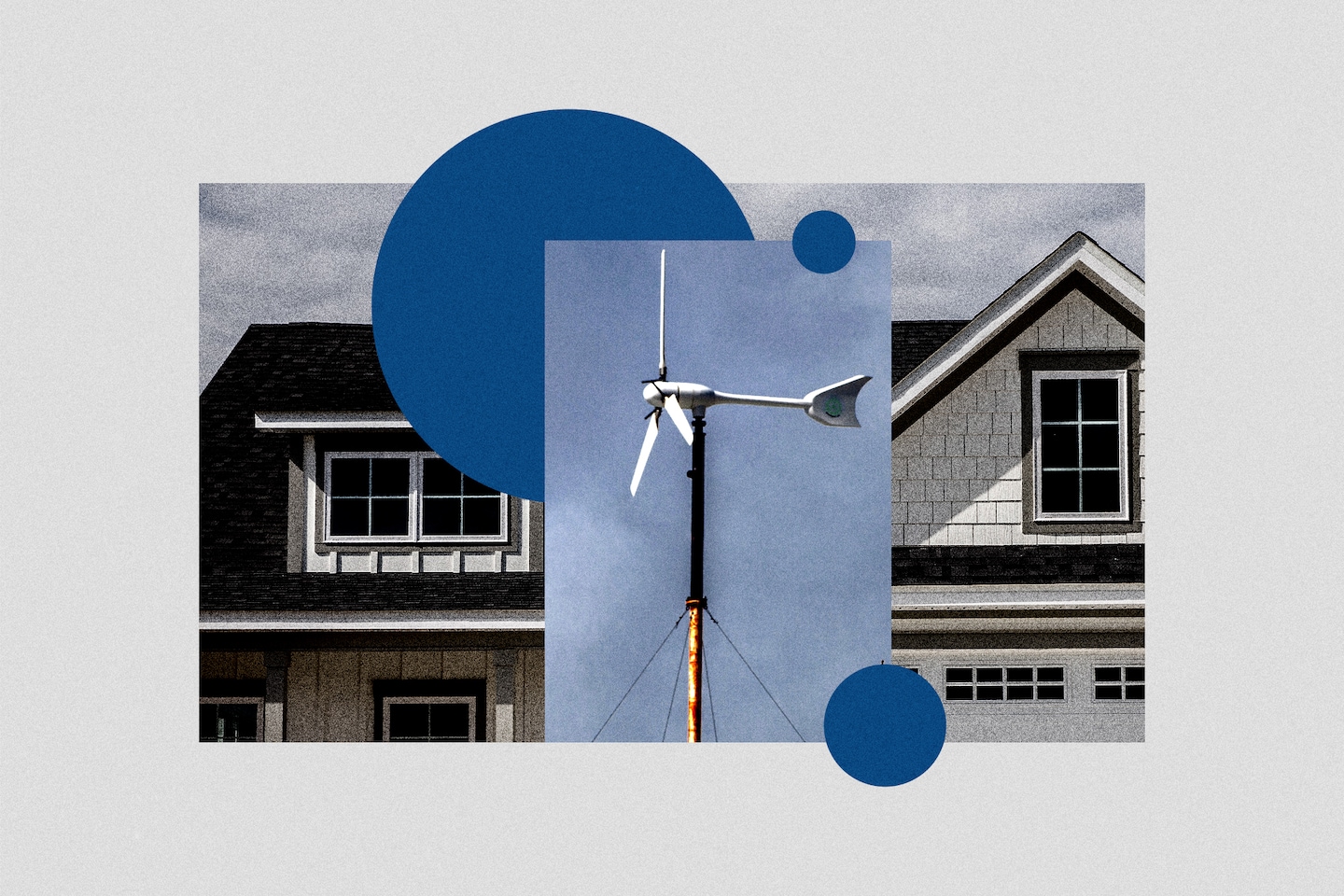
Transitioning to practical applications, the conversation takes on an extraordinary dimension when we explore distributed energy generation. Homeowners are increasingly empowered to install residential wind turbines, effectively knitting individual households into the fabric of community energy resilience. Small-scale turbines, usually with capacities between 1 kW to 100 kW, allow homeowners to generate their own electricity, potentially offsetting their energy bills. While the capacity of these smaller turbines may seem minuscule in comparison to their commercial counterparts, they signify a critical step towards energy independence and sustainability.
This decentralization of power generation challenges traditional utility models, forging a collective narrative focused on sustainability. A household equipped with a 10 kW turbine can offset approximately 15% of its energy demand, depending on local wind patterns. Consequently, while a single household may not achieve complete self-sufficiency, residential wind energy installations contribute to a larger community ethos: conserving fossil fuels, reducing carbon footprints, and creating a healthier planet.
However, embracing wind energy is not without its challenges. Critics often cite the intermittent nature of wind as a fundamental flaw, questioning its reliability. This argument underscores the importance of integrating wind energy with energy storage solutions, such as batteries, and supplementary energy sources, including solar and hydroelectric power. Planning for a diversified energy portfolio safeguards against the vicissitudes of nature, ensuring that homes are continuously powered despite the whims of the weather.
Government interventions also play a pivotal role in promoting wind energy adoption. Tax incentives, rebates, and grants for both large-scale wind farms and individual residential installations can significantly lower barriers to entry. Moreover, public policies that stimulate investments in renewable energy not only propel the wind energy industry forward but also facilitate the educative efforts necessary for widespread public acceptance. Such initiatives can culminate in vast networks of energy generation that harmonize individual efforts with communal needs.
Moreover, as public awareness around environmental sustainability heightens, the role of community-driven initiatives becomes increasingly pertinent. Local organizations often spearhead campaigns that educate the public about wind energy, dispelling myths and enhancing understanding. These collective efforts can lead to localized wind energy projects, effectively expanding the grid and empowering entire neighborhoods. Such grassroots movements can transform the energy landscape, illustrating how wind energy can be a formidable force for change.
Looking to the future, one must ponder the trajectory of wind energy. As technological advancements continue to unfold, the efficiency of turbines is expected to improve, yielding higher outputs with less environmental impact. These innovations, paired with grid modernization efforts, present unprecedented opportunities for integrating wind energy on a larger scale. By reimagining our energy paradigms through a lens focused on sustainability and resilience, we can unlock the vast potential of wind energy.
In summation, while quantifying exactly how many homes wind energy can power is contingent on myriad factors, the capacity for wind energy to make a marked impact on residential energy consumption is evident. With ongoing efforts to enhance technology, promote sustainability initiatives, and foster community engagement, wind energy stands poised not merely as an alternative energy source, but as a cornerstone of a sustainable future. It is not merely about numbers; it is about the emboldened resolve to alter our relationship with the environment for generations to come.






Leave a Comment