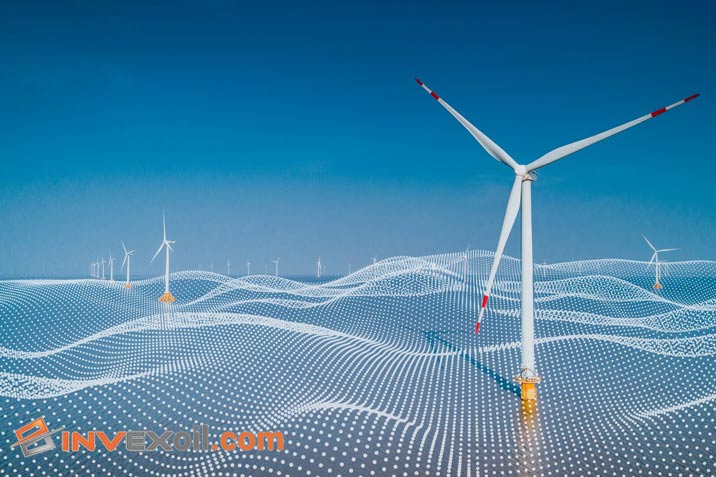
In the realm of renewable energy, modern wind turbines stand as towering sentinels, harnessing the invisible currents of nature with an elegance reminiscent of a ballet dancer swaying gracefully to a symphony composed by the wind itself. Each rotation is a harmony of engineering and environmental stewardship, a testament to human ingenuity intertwined with the inexorable laws of physics.
At the heart of a wind turbine’s ability to convert kinetic energy into electrical energy lies its design, meticulously crafted to capture the very essence of wind. Picture the enormous blades—often stretching 150 feet or more—acting as the wings of this colossal bird. As the wind whispers across the landscape, it is these wings that unfurl to seize the air, transforming its movement into a purposeful force. The blades are aerodynamically shaped to optimize their flow, much like an artist perfects each stroke on a canvas to achieve the ideal balance of form and function.
As the blades commence their rotation, they are connected to a sophisticated system known as the rotor hub, which serves as the nexus between the expansive base of the turbine and its lofty, spinning appendages. This hub is akin to a conductor at the helm of an orchestra, guiding every component to achieve harmonious synergy. While the blades dance upon the breeze, it is the rotor hub that transmits that mechanical energy into a form that can be transformed into electricity.
But what happens when the blades spin? This magical transformation commences in the nacelle, the daunting structure nestled atop the tower that houses the machinery essential for generating electricity. Within this strategic chamber lies the gearbox, a marvel of engineering that offers a crucial function: it amplifies the rotational speed of the rotor. Without this gearbox, the slow, gentle movements of the blades would inadequately translate into the rapid motion required to generate electrical power efficiently. Imagine trying to turn a small key with a steady hand versus twisting a large handle with vigor; the difference lies in the translation of force into energy.
Next, this heightened rotational speed encounters the generator, the heart of the turbine, where the magic truly unfolds. It’s here that the mechanical energy is converted into electrical energy through the principle of electromagnetic induction. The generator’s internal components, akin to an alchemist’s hidden chambers, orchestrate a complex interaction between magnets and coils of wire. As the rotor turns, magnets spin within these coils, fundamentally disrupting the magnetic field and creating an electromagnetic force that pushes electrons through the wires. This is the moment when wind’s ethereal presence becomes tangible electricity, ready to be injected into the grid or utilized on-site.
Yet, this engineering marvel must contend with the unpredictability of nature. An essential component of modern wind turbines is the control system, the vigilant watchdog that ensures optimal performance. It constantly monitors wind speed and direction, adjusting the pitch of the blades and the turbine’s orientation to face the prevailing winds. Imagine a skilled sailor deftly adjusting sails to capture the wind most efficiently; this system embraces the gusts, maintaining the delicate balance between energy production and structural safety. Wind turbines can withstand winds up to approximately 55 mph, after which they enter a “shutdown” mode to prevent damage, displaying a blend of strength and prudence.
Complementing this marvel is the tower itself, an engineering feat that elevates the rotor to heights where winds are stronger and more consistent. These towers can soar to heights of 300 feet or more, enabling the turbine to capture the robust winds that inhabit the upper atmospheres. Standing in the landscape, these towers symbolize our ambitions for a sustainable future, reaching skyward as our hopes are entwined with the possibility of renewable energy transforming our world.
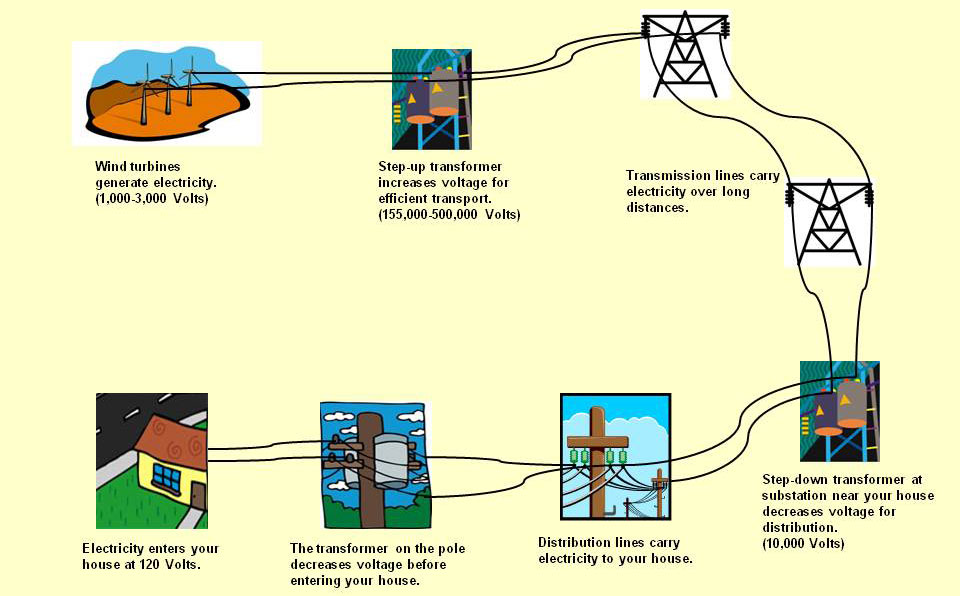
The electrical output generated by these turbines is then sent down cables into a substation, where it is transformed into a higher voltage suitable for transmission across power lines. Here, the lifecycle of energy takes another fascinating turn, embarking on a journey towards homes and industries that rely on this clean, renewable source. Each pulsating wave of electricity is a story of transformation, from the gentle and invisible movements of the wind to the dynamic flow of energy that lights up our lives.
The integrity of wind energy does not end with generation; it extends into the environmental arena. Unlike fossil fuels, wind energy is free from emissions and pollution, yielding a minimal carbon footprint. The reliance on such renewable systems invites us to reflect upon our relationship with nature, urging us to become stewards of the Earth rather than mere consumers. The very act of turning to wind energy becomes a poetic declaration of our commitment to safeguarding the planet for future generations, aligning our needs with those of the natural world.
As the sun sets behind those towering turbines, casting elongated shadows across the fields, we are reminded of the unique appeal of wind energy. It sings a ballad of sustainability as it beckons us to embrace a cleaner future. The narrative of how a modern wind turbine generates electricity is not merely an account of machines and mechanics; it is a story steeped in the promise of innovation, the potential for harmony with our environment, and the unwavering drive towards a brighter, greener tomorrow. Each turbine spins not only with the strength of the wind but also with the weight of our collective aspirations for a sustainable and resilient future.






Leave a Comment