In the grand tapestry of life, each species serves as a unique thread, contributing to the intricate design of ecosystems that sustain our planet. However, the introduction of invasive species acts as a formidable pair of scissors, cutting through these threads with ruthless precision. As we delve into the profound question: “Have any species gone extinct because of invasive species?”, we begin to unravel a narrative steeped in tragedy, resilience, and undeniable consequences.
To fully appreciate the magnitude of this issue, we must first understand what invasive species are. These organisms, often introduced outside their native ecosystems, can disrupt the delicate balance that has evolved over millennia. They invade habitats, outcompeting native fauna and flora for resources, changing the landscape, and even altering the very fabric of ecosystems. This predicament is not merely ecological; it echoes through the corridors of time, whispering tales of loss and mourning.
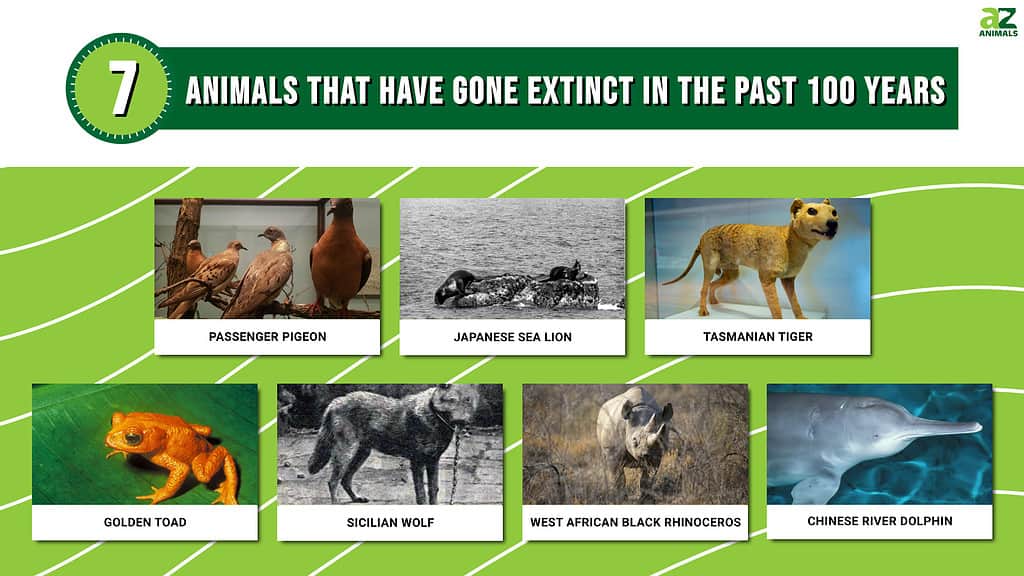
Among the most poignant examples of extinction linked to invasive species is that of the **Passenger Pigeon**. Once numbering in the billions, these birds swept through North American skies like a living cloud, darkening the sun. However, the introduction of market hunting, combined with habitat loss and invasive species such as the European Starling, led to their rapid decline. Biologists and historians alike reflect mournfully on the empty silence where once cascaded the sonorous calls of a thriving population. The extinction of the Passenger Pigeon serves as a chilling reminder of nature’s fragility, a canary in the coal mine warning humanity of the peril posed by invasive species.
Furthermore, the plight of the **Hawaiian land snails** presents a stark illustration of how isolated ecosystems can be decimated by invaders. The native snails thrived in the lush, volcanic landscapes of Hawaii, each species evolved to fit the unique niches of their environments. However, the arrival of invasive predators such as rats and carnivorous snails has led to catastrophic declines. With each species that vanishes, a small part of Hawaiian heritage is forever lost, as if cultural artifacts were being stolen from a museum. The echoes of their shells, once vibrant with life, now fade into oblivion.
Beyond the confines of islands or the pages of history, the **Red Fox** provides a contemporary lens through which to view the impact of invaders. Originally from Europe and Asia, the Red Fox has been introduced to numerous locales, most notably Australia. Here, it became a relentless predator, preying on native birds, reptiles, and marsupials that had evolved in the absence of such a foe. The ramifications have been dire, with species like the **Greater Bilby** and the **Eastern Curlew** facing dire threats to their existence. As the Red Fox weaves its tales of survival across the Australian outback, the native species—shrouded in shadows—struggle to retain their existence against overwhelming odds.
Yet, it is not only overt predation that spells doom for native residents. Some invasive species act as silent assassins, undermining their ecological counterparts through the audacious manipulation of resources. The case of the **Kudzu vine** in the southeastern United States is illustrative. Initially celebrated for its ability to reduce soil erosion, this vine rapidly became a veritable green blanket smothering trees and outcompeting native plants. The flora that once bloomed with vibrancy now battles for sunlight and nutrients. While Kudzu itself is not directly responsible for any species extinction, its invasive nature has contributed to a cascade of ecological dysfunction, undermining the entire biological community.
In the freshwater realm, the **Zebra Mussel** is a notorious example of how one tiny organism can wreak havoc. Imported unintentionally via ship ballast water, these mussels have proliferated in North America’s rivers and lakes, clogging waterways and disrupting the ecosystem. Their rapid reproduction and propensity to outcompete native bivalves have resulted in profound shifts. Species that once thrived in these waters, such as the native Blue Mussel, now struggle for survival, their populations diminishing as Zebra Mussels monopolize their resources. What once flowed freely like a well-orchestrated symphony now bears the dissonance of imbalance and loss.
The stories of extinction interwoven with invasive species are more than mere anecdotes; they are cautionary tales about the consequences of human actions. As we unfurl the narrative of loss, it becomes apparent that invasive species do not merely bring competition; they herald a crisis of identity within ecosystems. The loss of a species ripples through the fabric of life, affecting not only the immediate community but also the broader ecological networks dependent on each other for survival.
To confront the climate crisis and the invasive species phenomenon is to engage in a battle of stewardship. Restoration efforts must prioritize the removal of invasive species and the recovery of native populations. Education and awareness are paramount; communities must be equipped with knowledge about the potential repercussions of introducing non-native species. Nevertheless, the question remains. Are we willing to act before the next chapter of extinction unfolds? Or will we allow the echoes of biodiversity’s rich history to fade into silence, leaving only a sparse tapestry of life behind?
In the unfolding narrative of our planet, invasive species stand as a brash reminder of how easily we can unravel the careful threads of existence. It is now our responsibility to ensure that future generations inherit a world teeming with biodiversity, a living legacy woven from all its intricate and irreplaceable parts.








Leave a Comment