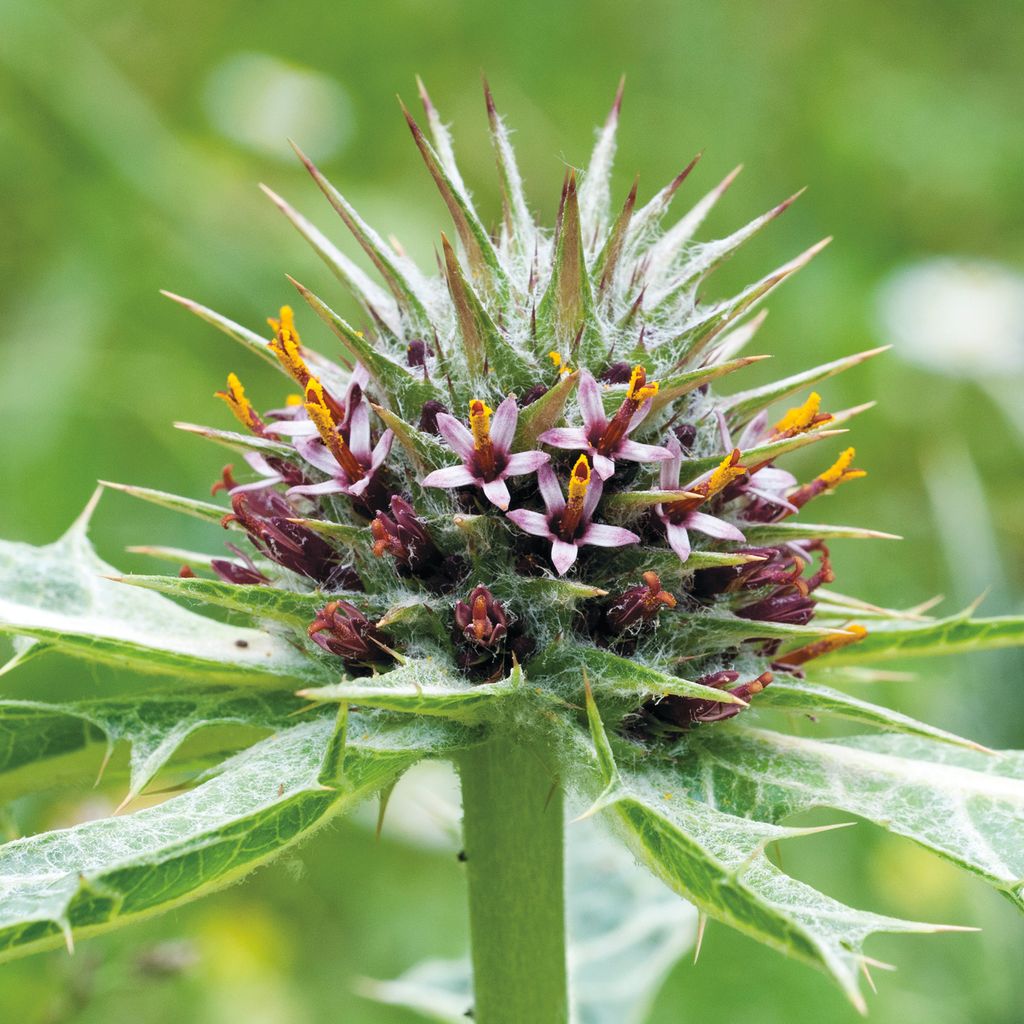
The question of plant extinction is both poignant and profound. As we carry on with our lives, an invisible tragedy unfolds in the world of flora. Humanity often remains blissfully unaware of the delicate balance that sustains not only our ecosystems but also our survival. There’s an intrinsic allure in pondering whether any plant species has genuinely vanished, as it urges us to examine the interconnectedness of life on Earth.
Throughout history, our planet has witnessed the extinction of numerous species, largely propelled by human activity. The loss of flora is not merely a matter of losing a beautiful flower or a useful herb; it serves as a grim harbinger of our ecological shortcomings. When we discuss plant extinction, we venture beyond just the absence of plants. We delve into a narrative woven with threads of biodiversity, conservation ethics, and ecological interdependence.
To grasp the gravity of this situation, one must first understand how speciation works. New species emerge through evolutionary processes, presenting a dynamism that characterizes life on Earth. However, this dynamism is fragile; extinction is an equally natural process, driven by a variety of factors, both environmental and anthropogenic. Amidst this ongoing cycle, there are instances where plant species have indeed slipped into oblivion, invisible to the casual observer.
Notably, the term “extinction” often confounds the casual observer. A plant may not be ceremonially “dead” in the sense of a recognizable absence, as its genetic material could still exist in a seed bank or through preserved germplasm. The tales of such lost plants evoke a sense of melancholy intrigue. They make one wonder: if the genetic twin of a vanished entity still lurks in a laboratory freezer, does that truly constitute extinction?
The historical account of plant extinction reveals several examples that starkly illustrate the peril our flora faces. The Saint Helena Olive, for example, was deemed extinct following an exhaustive search. For over a century, botanists and naturalists scoured the remote island of Saint Helena for any signs of life, confirming its disappearance from the face of the Earth. Such instances remind us that while our technological capabilities have burgeoned, the ripple effects of colonialism, habitat destruction, and invasive species continue to have deleterious impacts on the plant kingdom.
The pervasive phenomenon of habitat destruction demands particular attention. Urban sprawl, agriculture, and deforestation systematically erase the lush biodiversity that envelops our planet. The once-magnificent landscapes that cradled unique plant species are often transformed into barren spaces devoid of ecological richness. This loss is indelibly marked by the disappearance of irreplaceable species that played critical roles in their respective ecosystems, exemplifying a narrative that resonates beyond mere numbers.
Even when certain species are believed to be extinct, the possibility of rediscovery remains. The tale of the “living fossil,” Wollemia Nobilis, serves as an inspiring beacon. Once believed to have disappeared millions of years ago, this remarkable tree was discovered thriving in a remote Australian gorge in the 1990s. Such rediscoveries challenge our understanding and provoke deep reflections on the resilience of life. They kindle hope that perhaps not all is lost and that with the right measures, we may reclaim what has been carelessly thrown into oblivion.
Scientific stewardship and conservation efforts have become paramount in tackling plant extinction. Organizations dedicated to conservation biology have emerged as standard-bearers in protecting vulnerable species. By focusing on habitat restoration, seed banks, and genetic research, they aim to shield what remains from the relentless tide of extinction. Yet, this endeavor requires not only funding and scientific innovation but also a collective consciousness aimed at preserving our planet’s botanical treasures.
“Extinction” also bears a philosophical weight. It challenges us to confront our relationship with nature. As we lose plant species at an alarming rate, we risk severing the intricate threads of cultural heritage intertwined with flora. Many communities have long relied on native plants for sustenance, medicine, and spiritual practices. The loss of these species signifies the erasure of traditional ecological knowledge, further alienating humanity from our roots.
In the grand tapestry of life, every plant carries a story—every extinction is a chapter irrevocably closed. The disquieting reality is that the extinction of even the most obscure plant can have cascading effects on larger ecological frameworks. The ripple effects of such losses resonate through the food web, impacting pollinators, animals, and ultimately, human beings. This interconnectedness beckons us to foster a deeper understanding of biodiversity and its critical role in sustaining our planet’s life support systems.
In conclusion, while we ponder the somber reality of whether any plant species has truly gone extinct, we must harness this curiosity as a catalyst for change. Acknowledging the urgency of our role as custodians of the Earth calls us to action. Education, advocacy, and empathy towards the plight of our plant kin can inspire a movement that transcends apathy, urging society to embrace stewardship in the face of overwhelming odds. It is our collective responsibility to protect not just the plants we can see but also the myriad ecosystems that rely on their existence. Together, we can forge a new narrative—one where extinction becomes a tale of caution, resilience, and renewal.








Leave a Comment