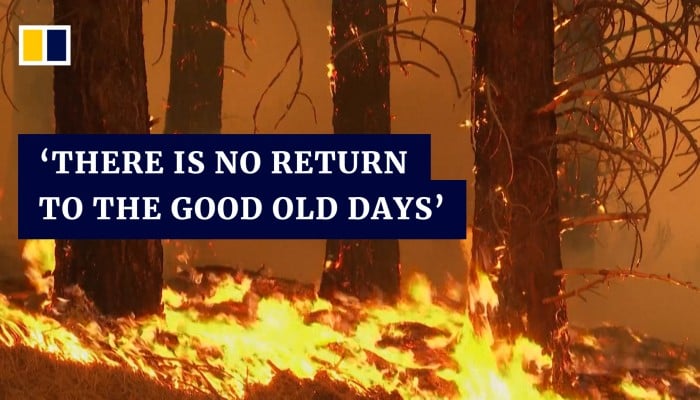
The world stands precariously at a crossroads, as the relentless march of climate change has brought us to a critical juncture. For the ninth consecutive month, global temperatures have surpassed the 1.5°C threshold, a warning bell that resonates across continents and communities. This alarming statistic is not merely a number; it is a harbinger of the multifaceted repercussions our planet faces. To comprehend the gravity of this situation, we must delve into the implications of sustained temperature elevation, the underlying causes, and the potential pathways forward.
The 1.5°C Threshold: What It Signifies
The 1.5°C threshold, as stipulated by the Paris Agreement, is not an arbitrary figure. It symbolizes a critical boundary beyond which the risks of adverse climate effects escalate dramatically. Exceeding this limit signifies more than just warmer temperatures; it portends severe disruptions to ecosystems, economies, and human health. With each passing month of elevated temperatures, the frequency and intensity of extreme weather events—such as hurricanes, droughts, and heatwaves—increase. Delving deeper, the implications for biodiversity become stark; many species find themselves unable to adapt quickly enough to the changing climate, leading to a potential biodiversity crisis.
The Science Behind the Surge
Understanding why global temperatures have soared requires an exploration of the anthropogenic factors at play. Chief among these is the unabated reliance on fossil fuels, which results in the emission of greenhouse gases that trap heat in the atmosphere. Deforestation, particularly in tropical regions, exacerbates the problem by reducing the number of trees that can absorb carbon dioxide. Additionally, industrial processes and agricultural practices contribute significantly to global warming through methane and nitrogen oxide emissions. A comprehensive assessment of our current trajectory reveals a concerning trend: despite evident scientific warnings, the global response has consistently faltered.
Immediate Consequences: Weather Extremes and Environmental Deviations
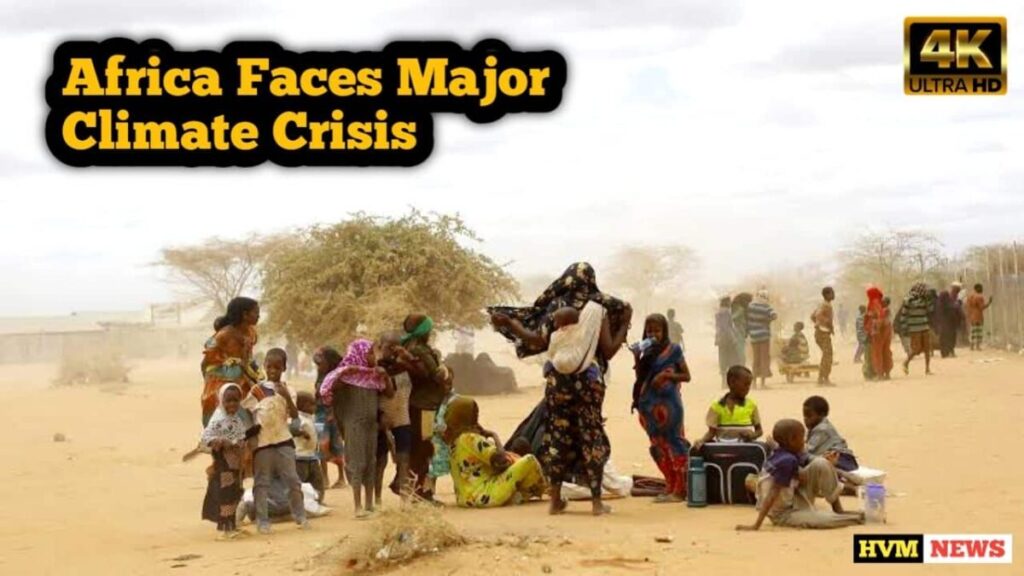
The immediate fallout from sustained temperature increases is visible in the form of extreme weather incidents. Regions once characterized by mild climates are now enduring unprecedented heatwaves, while others are inundated by torrential rains and flooding. These incidents are not just statistical anomalies; they have devastating consequences for agriculture, food security, and water supplies. Agricultural yields of staple crops such as wheat, rice, and maize are declining as heat stress and altered precipitation patterns disrupt traditional farming practices. Moreover, the subsequent erosion of food security has dire implications, particularly for marginalized communities vulnerable to hunger and malnutrition.
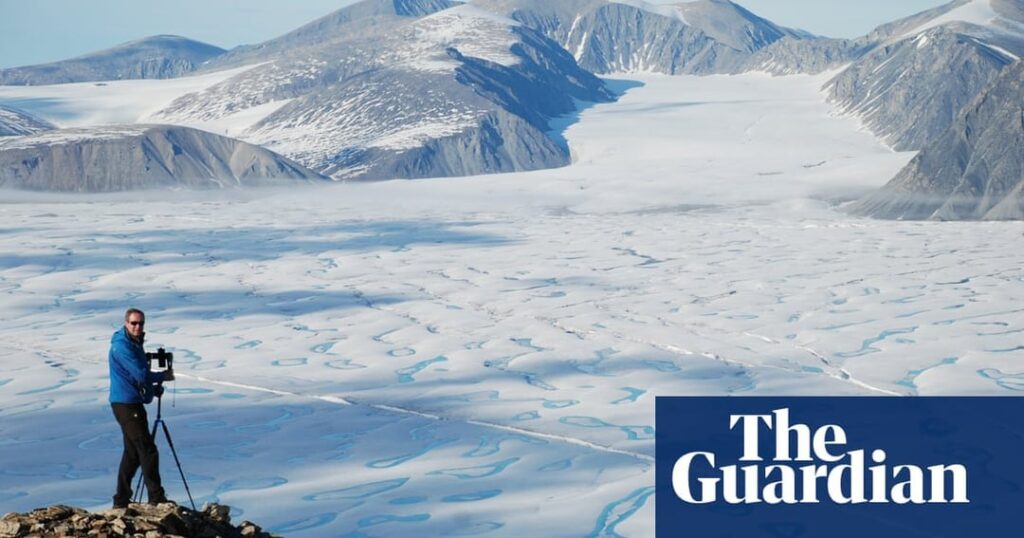
Furthermore, the melting of polar ice caps and glaciers signals another alarming trend. The consequences of rising sea levels are dire for coastal cities around the world, where millions face the threat of displacement. Low-lying nations, such as the Maldives and parts of Bangladesh, are at risk of being submerged, prompting urgent discussions about climate refugees and the ethical responsibilities of wealthier nations.
Economic Ramifications: The Cost of Inaction
The economic repercussions of exceeding the 1.5°C threshold cannot be underestimated. Insurers anticipate unprecedented claims from natural disasters, straining financial systems. Additionally, sectors reliant on stable climates—such as agriculture, tourism, and fisheries—face existential threats as instability becomes the new norm. The cost of adaptation and mitigation efforts escalates, with governments grappling with the dual challenge of immediate disaster relief and long-term climate strategies. Predictably, the burden disproportionately affects developing nations, which possess fewer resources to combat these challenges, perpetuating a cycle of poverty and inequality.
The Path Forward: Solutions and Collective Action
In response to this harrowing reality, the international community must recalibrate its approach to climate action. Transitioning to renewable energy sources—such as solar, wind, and hydroelectric power—is paramount. These technologies not only reduce reliance on fossil fuels but also generate employment opportunities in emerging green sectors. Moreover, technological innovation in carbon capture and storage presents a viable pathway to mitigating existing emissions, albeit requiring substantial investment and commitment.
Individuals also play a crucial role in this collective endeavor. By adopting sustainable practices—such as reducing waste, embracing public transportation, and supporting local produce—individuals can contribute to a larger cultural shift towards ecological mindfulness. Grassroots movements have proven effective in driving change, successfully advocating for policies that prioritize environmental sustainability. The shift must integrate personal responsibility with systemic change, underscoring the principle that every action counts.
A Call for Global Solidarity
Ultimately, the breach of the 1.5°C threshold is not an isolated phenomenon; it is a global crisis that transcends borders. It necessitates profound solidarity among nations, urging collaborative frameworks that enable knowledge sharing, technological transfer, and financial support for vulnerable regions. As climate change knows no frontiers, a unified approach is imperative for collective survival.
Recognizing that the stakes are unimaginably high necessitates an unwavering commitment to act decisively and swiftly. The time for platitudes is over; concerted efforts are required to mitigate the spiraling impacts of climate change. In reclaiming our narrative, we must channel our collective responsibility and reconsider our relationship with the planet—our window for effective action may be rapidly closing. Each passing month where temperatures exceed the threshold is a further call to arms. The path forward is fraught with challenges, yet it is also paved with possibilities for revolutionary change. Together, we can forge a sustainable future that honors our planet and preserves it for generations to come.









Leave a Comment