The delicate balance of our planet’s ecosystems is disrupted, and an unsettling reality looms: approximately 40% of the world’s plant species are now facing the dire threat of extinction. The implications of this catastrophic loss extend far beyond mere aesthetics—plants are the very foundation of life on Earth, driving processes that sustain all forms of wildlife, including humans. Indeed, to understand the gravity of this situation, one must delve into the realms of biodiversity and ecological interplay. Here, we explore five plant species that are on the cusp of disappearing forever, illuminating the pressing need for immediate and concerted conservation efforts.
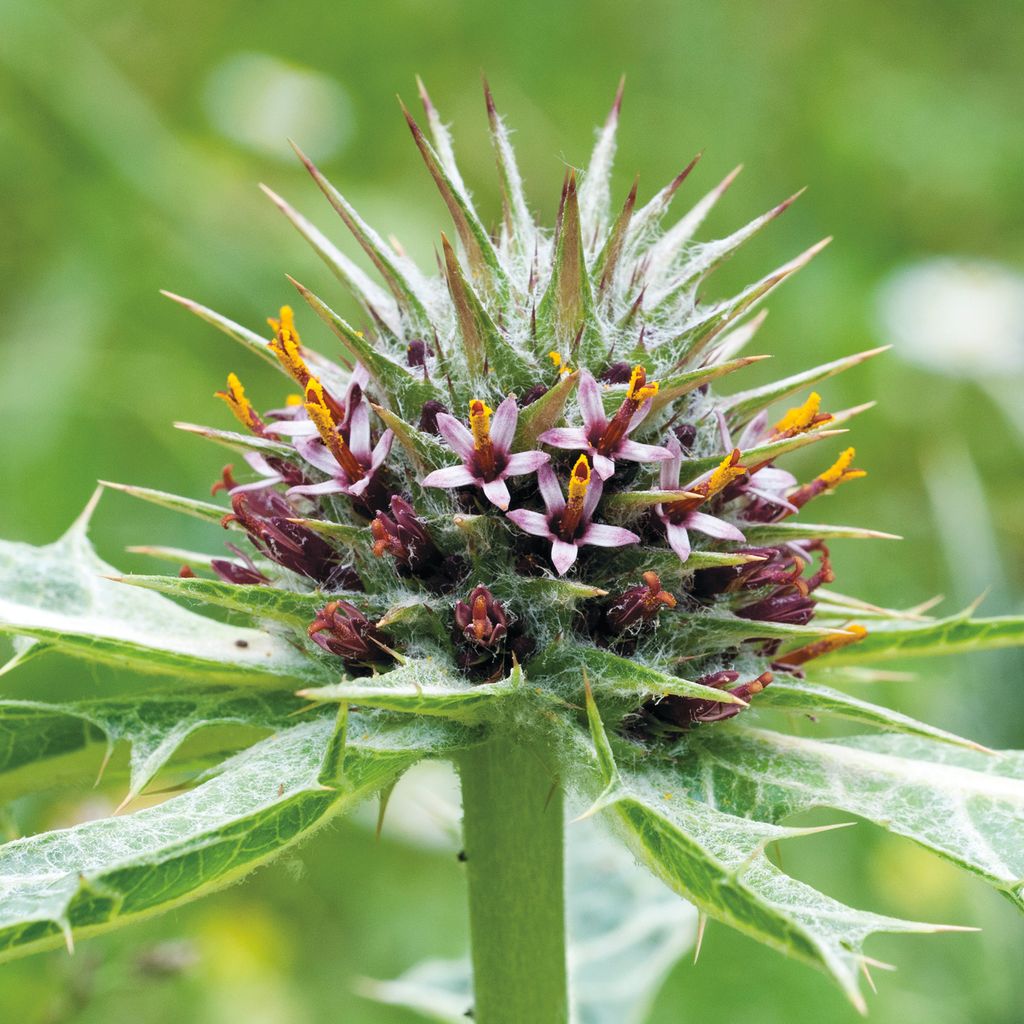
1. Gundelia tournefortii (Akkoub)
The Akkoub is an edible thistle native to the Mediterranean regions, particularly flourishing in the Middle East. This captivating plant is not only a source of sustenance but also holds profound cultural significance in various cuisines. However, rampant overharvesting, coupled with habitat loss due to urbanization and agricultural expansion, has led to a dramatic decline in its population. Surprisingly, Akkoub is often found growing in rocky, dry landscapes, which accentuates its resilience. Nonetheless, without sustainable agricultural practices and protective legislation, this remarkable species risks vanishing from its native habitats, potentially disrupting local ecosystems reliant on its presence.
2. Wollemia nobilis (Wollemi Pine)
Discovered in 1994 within a remote gorge in Australia, the Wollemi Pine was once believed extinct and is now one of the rarest plants on Earth. This species, a relic from the age of the dinosaurs, stands as a testament to resilience amidst adversity, surviving for millions of years. The Wollemi Pine thrives in a unique microclimate, but its limited range makes it exceptionally vulnerable. Threats from climate change, invasive species, and human encroachment plunge this ancient tree into peril. Conservationists have initiated propagation programs to safeguard its future, yet the ongoing threats necessitate vigilant stewardship to secure its survival and that of the ecosystems it supports.
3. Diphysa americana (Lick or Manna Plant)
This lesser-known species, which thrives primarily in the subtropical forests of Central America, offers insight into the intricate relationships within ecosystems. Diphysa americana is favored by various fauna for its sweet sap, which has historically fueled local economies. However, deforestation and land conversion for agriculture have significantly diminished its population. The Lick Plant’s dependency on specific microbial communities illustrates the fragility of its existence. As habitats continue to be compromised, the symbiotic interactions that facilitate its growth may crumble, leading to broader ecological ramifications, including the decline of its pollinators and the animals reliant on its sustenance.
4. Nothofagus deanei (Coigüe Tree)
The Coigüe Tree, native to the temperate rainforests of Chile and Argentina, exemplifies the delicate interdependence of flora and fauna. Its extensive root system provides crucial stabilization for the soil, preventing erosion and maintaining the integrity of the forest ecosystem. However, this vital species faces the dual threats of climate change and unsustainable logging practices. As temperatures rise and rainfall patterns shift, the Coigüe is increasingly unable to thrive. The loss of this majestic tree would not only signify the extinction of a species but would also herald a cascade of ecological disturbances, affecting countless other organisms that depend on it for shelter and nourishment.
5. Franklinia alatamaha (Franklin Tree)
The Franklin Tree is a poignant reminder of the impacts of human activity on plant diversity. Once abundant along the banks of the Altamaha River in Georgia, it is now extinct in the wild due to over-collection and habitat destruction in the 19th century. The only existing specimens derive from a handful of trees cultivated by botanists in the early 1800s. As the last legacy of this species dwindles, conservationists are propelled to preserve its genetic lineage through meticulous cultivation efforts. The Franklin Tree’s disappearance from its native habitat underscores the critical urgency for proactive conservation measures, and it should serve as a clarion call for heightened awareness about the fragility of our natural world.
As we embark on this narrative journey through the plight of these five plants, it is essential to acknowledge that their fates are inexorably linked to our own. Understanding the interconnection between human activity and plant extinction necessitates a paradigm shift: we must reframe our relationship with the environment. Conservation efforts must not only focus on preserving existing species but also advocate for sustainable practices that bolster ecosystem resilience. The stories of these plants are not mere tales of loss—they are urgent calls to action, urging us to reevaluate our role as stewards of the Earth and to protect the irreplaceable tapestry of life that flourishes within it.
In conclusion, the extinction crisis is not an abstract concept but a tangible reality that is unfolding before our eyes. By fostering curiosity and fostering a renewed appreciation for the world of plants, we can not only save these remarkable species but also maintain the ecological systems that sustain us all. Each plant, no matter how humble, underscores the intricate web of life that makes Earth a unique and precious home.








Leave a Comment