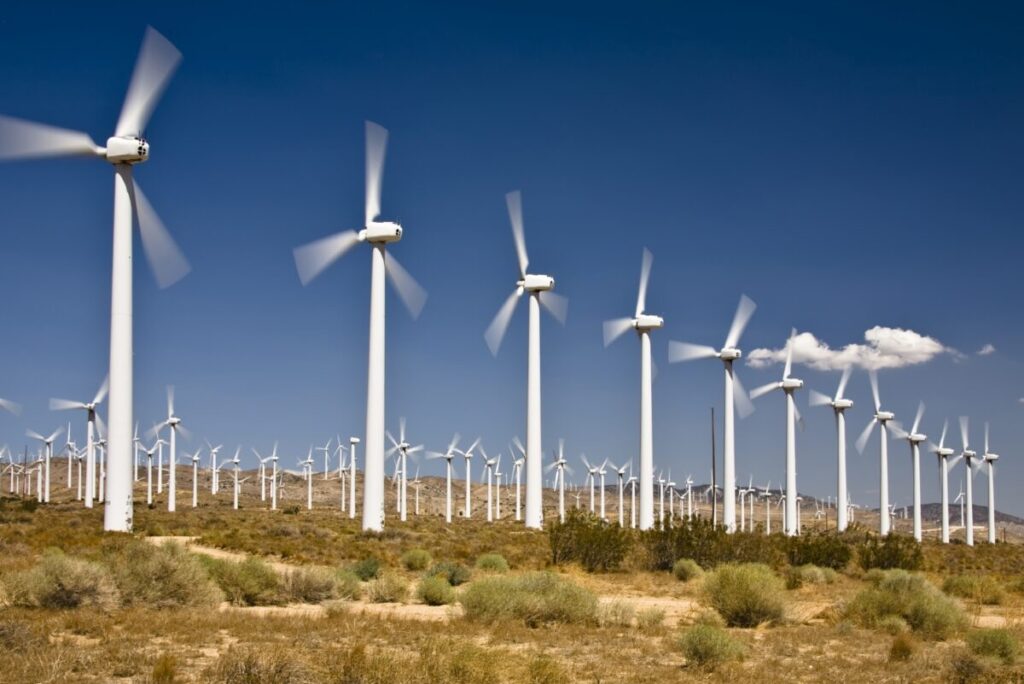
In recent years, the proliferation of wind energy has sparked a flurry of conversations, not only about sustainability but also about the mechanics underpinning these towering structures we colloquially call windmills. Standing majestically against the horizon, windmills have long fascinated those who admire their rhythmic rotations. Yet, accompanying this admiration is a prevalent notion: do windmills actually increase wind speed, or is this simply a myth that has taken root amidst public dialogue? This query invites a deeper exploration, fundamentally challenging our understanding of wind dynamics and the interaction between machines and natural elements.
To understand this phenomenon, it is imperative to first grasp the basic mechanics of wind. Wind is the result of atmospheric pressure gradients, created by the uneven heating of the Earth’s surface by the sun. This culmination of atmospheric science results in a flow of air that is both complex and dynamic. Wind speed varies with geography, time of day, and meteorological conditions. So, when windmills enter the equation, it raises the questions: how do these colossal structures interact with the natural flow of air?
Wind turbines, while often referred to in a misleading colloquialism as “windmills,” are designed with the primary function of harnessing wind energy. The blades of these turbines are engineered to capture kinetic energy from moving air, converting it into rotational energy to generate electricity. This transformative process creates a localized area of reduced wind speed directly behind the turbine, a phenomenon known as “wake effect.” As the blades rotate, they draw energy from the wind, thereby decreasing its velocity in their immediate vicinity. Thus, rather than increasing wind speed, windmills actually diminish it directly downstream of their operation.
However, the intrigue deepens when considering the larger environmental context. While individual turbines may slow the wind in their wake, they can contribute to a more significant alteration of local wind patterns over a broad geographic area. This phenomenon stretches the imagination, invoking the concept of “wind farm effects,” where a cluster of turbines can disrupt local meteorological conditions. In essence, turbines may create an atmosphere where wind patterns are altered. The interplay of numerous turbines, equipped with cutting-edge technology, could potentially lead to localized increases in wind speed in select areas, while overall decreasing wind speed immediately behind each turbine.
Moreover, the impact of wind turbines extends beyond mere physical alterations in air velocity. Their operation can influence temperature gradients and atmospheric mixing. Wind turbines help maintain steady air flow, which can prevent temperature layering that often leads to turbulent weather phenomena. This intricate relationship illustrates the complexity of wind dynamics and the turbine’s role within that tapestry, challenging the simplistic notion that equates windmills solely with increasing wind speed.
Moving into a more environmental perspective, the fascination with windmills often stems from a broader admiration for renewable energy’s potential to confront climate change. The symbolic representation of a cleaner, sustainable future captures the public’s imagination, moving them to advocate for alternative energy sources. This romanticized ideal may fuel misconceptions regarding the functioning of windmills, as onlookers imbued with the desire for greener methodologies might instinctively wish for windmills to enhance wind resources, thus amplifying their power-generating capacities.
The myth that windmills increase wind speed could also reflect a subliminal desire for control over nature’s forces. In an era increasingly characterized by human intervention in natural ecosystems, windmills embody a paradox: while they are designed to harness natural energy, they also modify environmental conditions. This dualism cultivates a societal interest in understanding how we might shape and reshape our surroundings to leverage renewable energies effectively.
While exploring these dynamics, one must also consider the often-overlooked phenomenon of microclimates. The presence of a wind farm can create subtle shifts in local flora and fauna interactions, which interplay with air velocity. As turbines rotate and affect local wind patterns, they may inadvertently alter the habitat that supports various species. This evolutionary exchange not only underscores the importance of ecological awareness but also emphasizes the finely-tuned relationships found within ecosystems.
Critically, this conversation does not exist in a vacuum. As concerns over climate change continue to escalate, understanding the science behind renewable technologies becomes vital. Wind energy is recognized for its renewable nature and low carbon footprint. However, the misconceptions regarding its mechanics require diligence in public education and communication efforts to ensure informed advocacy for sustainable practices. It is essential to present comprehensive information, illuminating both the benefits and the limitations intrinsic to wind energy systems.
In conclusion, the assertion that windmills increase wind speed is indeed a myth, a simple truce and misunderstanding birthed from a complex interplay of machines with natural elements. While individual turbines decrease wind speed in their immediate vicinity, their larger influence on local wind patterns and regional climates cannot be disregarded. Furthermore, the thematic appeal of wind energy continues to stimulate public discourse, inviting deeper considerations about our ethical responsibilities towards nature. The narrative borne from these mighty machines possesses the potential to inspire an ongoing dialogue around balancing human ingenuity with environmental preservation, a necessary foundation upon which to build a sustainable future.






Leave a Comment