
Climate change, an omnipresent force, beckons us to reevaluate our relationship with the Earth. It envelops a series of transformations, both visible and hidden, which morph the very fabric of our environment. This phenomenon is not merely a distant threat; it is a vivid reality unfolding right before our eyes. With each passing year, the consequences of climate change grow more pronounced, illustrating the urgent need for collective awareness and action. Understanding its multifaceted nature is imperative for anyone seeking to grasp the magnitude of its impact.
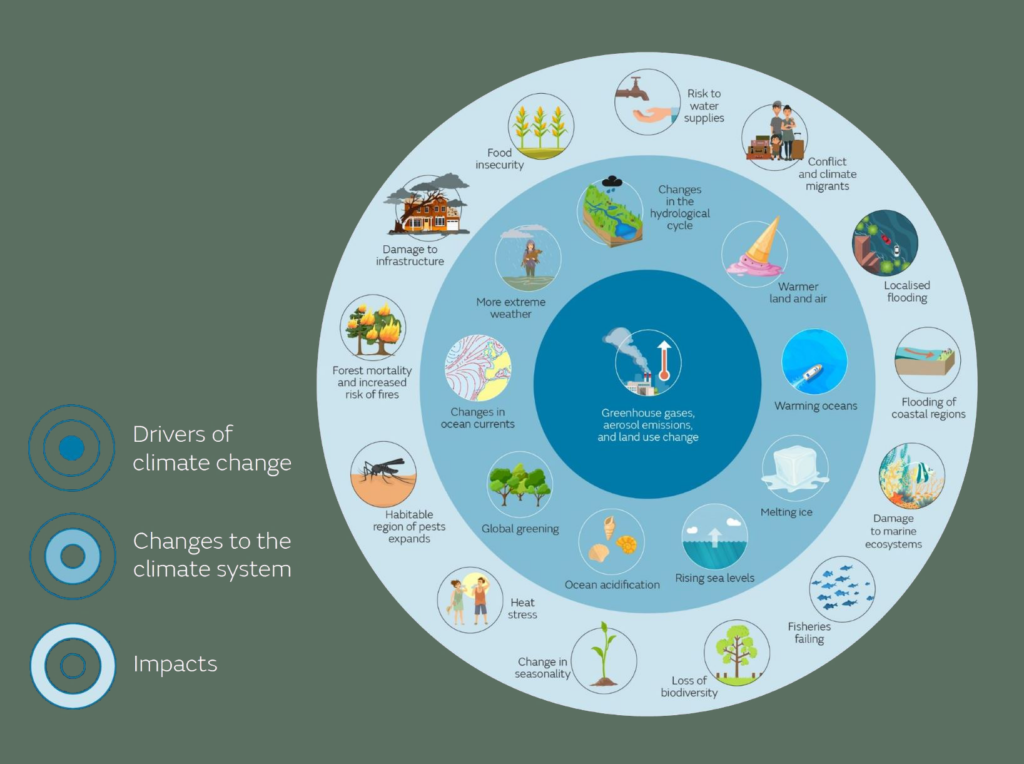
To begin disentangling the complexities of climate change, one must delve into its origins. At its essence, climate change refers to significant alterations in temperature, precipitation patterns, and other atmospheric conditions over extended periods. The crux of the current crisis lies in anthropogenic influences—human activities that entail the burning of fossil fuels, deforestation, and various industrial operations. These practices have critically elevated levels of greenhouse gases in the atmosphere, primarily carbon dioxide and methane, leading to an escalated greenhouse effect. This unbridled accumulation of gases traps heat, creating a warming effect that extends beyond geographical boundaries.
As the Earth warms, the consequences are both immediate and long-lasting. Extreme weather events have burgeoned in frequency and intensity, exhibiting a disquieting tendency for unpredictability. From unprecedented hurricanes wreaking havoc on coastal landscapes to droughts ravaging agricultural sectors, the planet’s climatic habits are becoming increasingly chaotic. Such disturbances not only pose a direct threat to human life and property but also disrupt ecosystems that have remained in equilibrium for centuries, if not millennia.
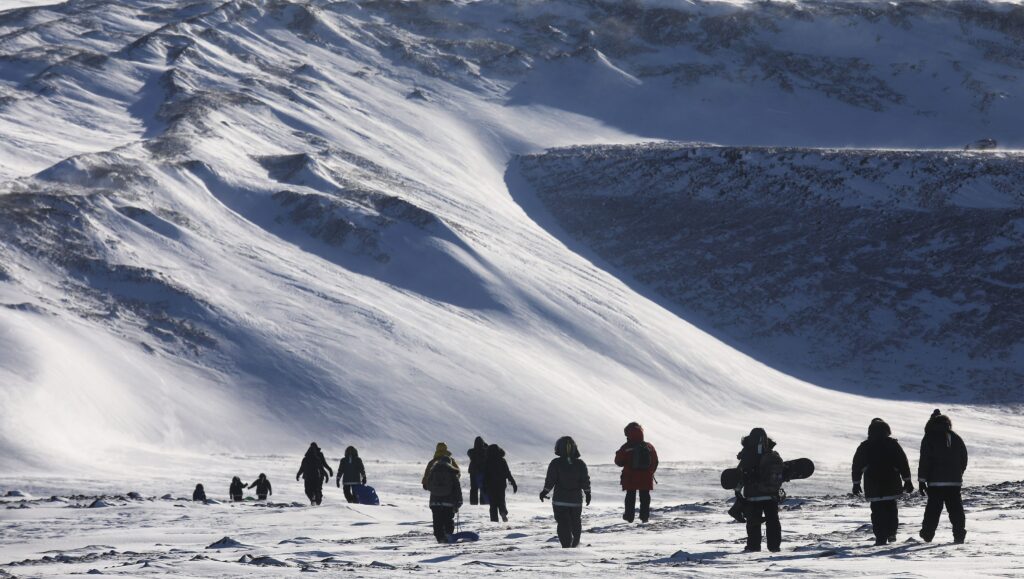
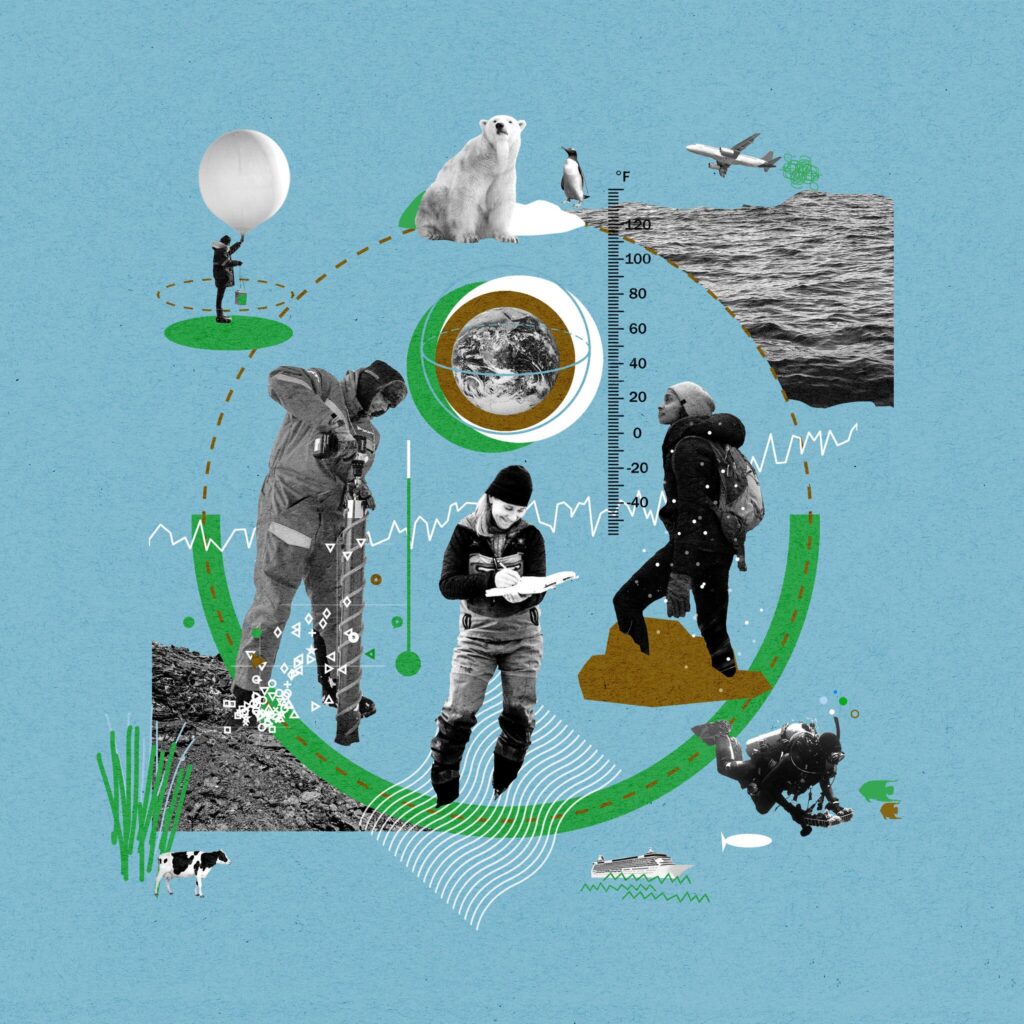
Consider the polar regions, where the impacts of climate change are starkly manifest. The Arctic, often dubbed the “canary in the coal mine” of climate change, is witnessing a pernicious decline in sea ice. As permafrost melts—an often-underestimated phenomenon—it releases stored carbon dioxide and methane, further exacerbating the issue. This cyclical destruction creates a feedback loop that renders climate predictions ever more precarious. Moreover, the melting glaciers contribute to rising sea levels, threatening coastal cities worldwide.
However, the implications of climate change extend far beyond mere statistics and graphs. Ecosystems are experiencing rapid upheaval, leading to shifts in biodiversity patterns. Wildlife habitats are increasingly uninhabitable, forcing species to migrate or face extinction. Such losses reverberate through entire food webs, disrupting the balances that sustain both flora and fauna. As species diminish or vanish, researchers warn of potential ecological collapse—a scenario that could have deleterious effects on agriculture, fisheries, and natural resources.
The anthropogenic consequences are not restricted to warming temperatures and species extinction; they also catalyze societal upheaval. Communities reliant on agriculture face chilling prospects as crop yields become erratic. Water scarcity lurks ominously, with regions already grappling with limited resources likely to deteriorate further. As livelihoods crumble under the weight of climate change, social tensions rise, often leading to displacement and conflict. The term “climate refugees” has surfaced to describe those fleeing uninhabitable conditions, presenting a humanitarian crisis that the global community must address.
Yet amidst this daunting panorama, there exists a glimmer of hope—a burgeoning awareness igniting a global movement. Activism has surged in recent years, with individuals and organizations across the globe championing the fight against climate change. This growing consciousness fosters innovative solutions, from renewable energy advancements to sustainable agricultural practices. Wind, solar, and hydroelectric sources, in particular, offer pathways to mitigate the reliance on fossil fuels while simultaneously reducing greenhouse emissions.
Awareness also hails a shift in consumer behavior. Society is slowly transitioning towards more sustainable practices, prioritizing eco-friendly products and reducing waste. A circular economy, which emphasizes reusing and recycling materials, presents a viable approach to minimizing our environmental footprint. Moreover, industries are beginning to adopt more sustainable practices as consumers demand accountability—a notion that signals a potential overhaul in corporate responsibility.
Education plays a pivotal role in this transformative journey. Instilling an understanding of climate change in the younger generations fosters future leaders who will inherit the responsibility of stewardship over our planet. Integrating climate science into educational curricula empowers students to engage critically with the challenges ahead. By fostering curiosity and informed discourse, we can cultivate a society that prioritizes resilience and adaptation.
Moreover, collaboration and dialogue across borders are fundamental pillars in combating climate change. International accords, such as the Paris Agreement, exemplify cooperative efforts to limit global warming through collective action. Nations must align their policies toward sustainable development, sharing technologies and strategies to reduce emissions. This global pact underscores the notion that climate change is a shared challenge, transcending geographical and political boundaries.
In conclusion, climate change is not simply a scientific or environmental issue; it is a profound challenge that intersects with every aspect of human existence. As we stand at a crucial juncture, the imperative to confront this crisis has never been so pressing. A shift in perspective—recognizing the interconnectedness of all life on Earth—can pave the way toward collective action. By fostering curiosity and empowering individuals to seek solutions, we can metamorphose the disquieting narratives of today into the hopeful stories of tomorrow. In this relentless battle against climate change, resilience springs forth from awareness, prompting us to redefine our connection to the planet for generations to come.






Leave a Comment