In an era where climate change looms ominously over our collective futures, the quest for sustainable energy sources has never been more critical. Among the myriad of solutions proposed, wind energy emerges as a frontrunner. But in our quest for a greener planet, a provocative question arises: Can wind farms power all of our electricity needs one day? To navigate this intriguing conundrum, we must delve deep into the mechanics of wind energy, assess its current capability, explore technological advancements, and examine the challenges that may lie ahead.
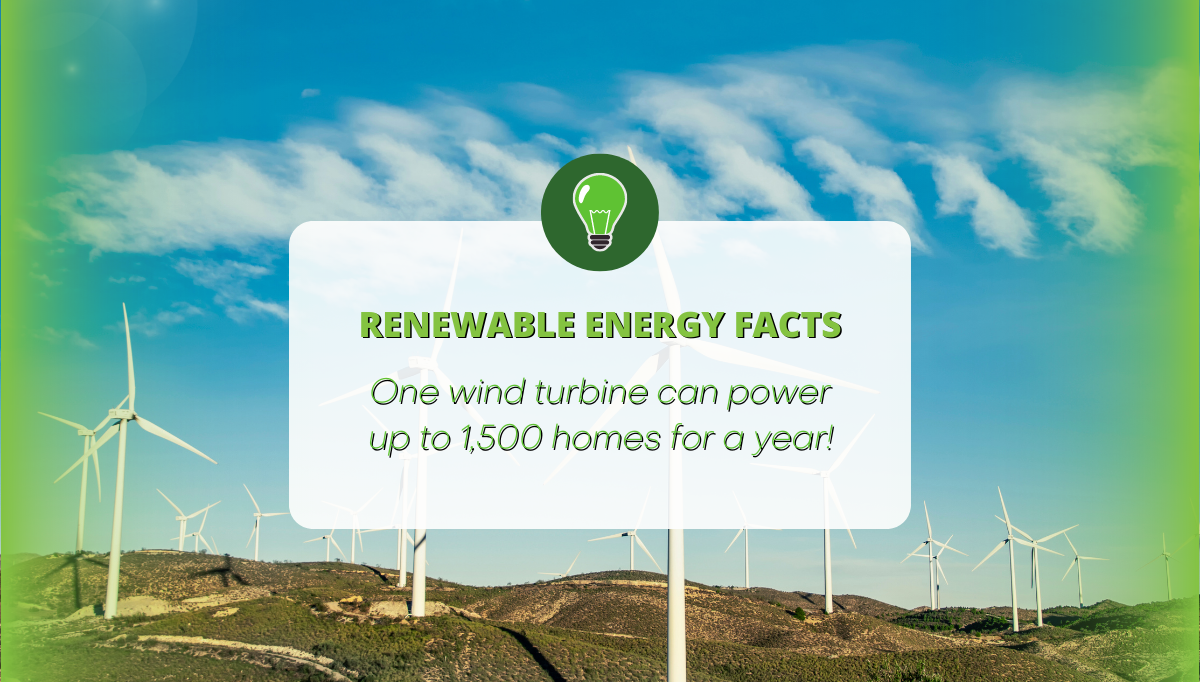
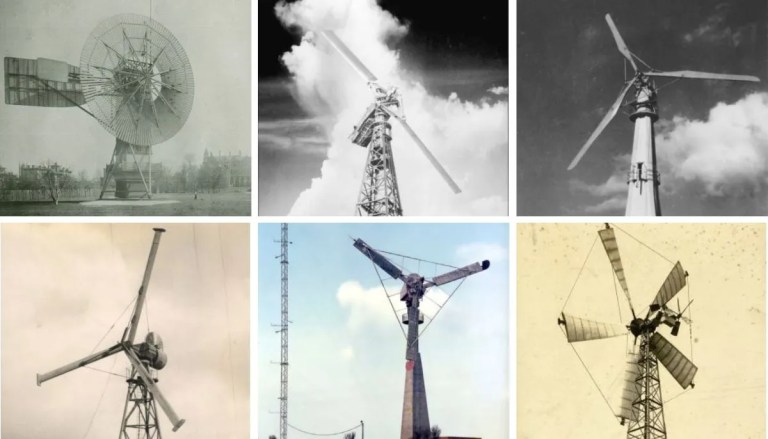
The genesis of wind energy traces back to ancient civilizations utilizing windmills for agricultural purposes. Today, however, we harness the kinetic energy of the wind through vast fields of turbines, each standing sentinel against the horizon, transforming wind into a palpable source of electricity. Technological innovations have evolved these giants into sophisticated machines, their blades twisting and turning with unerring precision to optimize energy conversion. Yet, despite this evolution, can they truly sustain the energy needs of an entire nation, or potentially, the world?
Understanding the current landscape of wind energy is crucial. As it stands, the United States ranks among the world leaders in wind energy production, with wind farms generating a formidable 9.2% of the total electricity consumed in 2021. This figure illustrates significant progress but begs the question: is it enough? When one considers the rapidly increasing demand for electricity spurred by burgeoning populations and technological advancements, it becomes evident that harnessing wind energy on a larger scale is paramount.
For wind farms to meet our comprehensive electricity needs, several factors must be evaluated—including capacity, geographical constraints, and intermittency. Wind farms rely on consistent wind patterns to generate power effectively, and data suggests that certain areas—like the Great Plains in the United States—exhibit immense potential for wind energy production. These regions, rich in open space and consistent winds, are already being leveraged for expansive wind farm projects. However, the geographical distribution of these resources presents a challenge when considering widespread implementations across varied landscapes.
The inherent intermittency of wind energy poses another significant hurdle. Unlike fossil fuels that provide continuous power, wind energy is contingent upon unpredictable weather conditions. This fluctuating nature raises a crucial concern: how do we maintain a reliable energy supply when the wind does not blow? Addressing this challenge necessitates infrastructural advancements, such as improved energy storage solutions to capture excess power during windy periods for later use or the establishment of diversified energy portfolios that encompass a combination of renewable sources. For instance, pairing solar energy with wind power could mitigate the risks associated with variability.
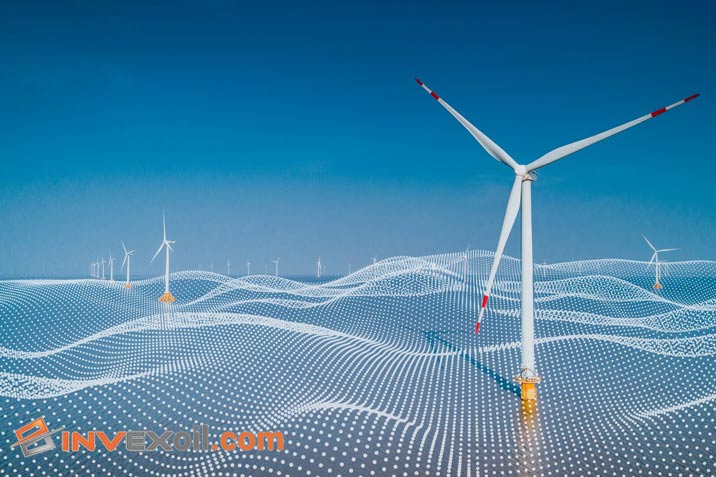
Technological advancements play an indispensable role in augmenting the efficiency and reliability of wind energy. Innovations in turbine design, for example, have led to larger and more efficient models capable of generating more power from lower wind speeds. Additionally, offshore wind farms are gaining traction, harnessing more robust and consistent winds found at sea. The expansion of these installations could dramatically increase our ability to generate electricity, positioning us closer to the goal of supplying all our energy needs from this renewable source.
Yet, even with advancements, the prospect of transitioning to a wind-dependent electricity grid is fraught with challenges. One of the most pressing concerns involves the environmental and societal impact of large wind farms. Though they offer clean energy, the infrastructure required can disrupt local ecosystems and communities. Moreover, public resistance often arises due to aesthetic concerns or misconceptions about the impact of wind farms on wildlife. Addressing these apprehensions through community engagement and transparent communication is essential to cultivate acceptance and drive the transition toward renewable energies.
Furthermore, the economic aspects of scaling wind energy cannot be understated. While the costs for wind energy production have decreased markedly in recent years, the initial investment for infrastructure remains considerable. Government incentives and subsidies play a vital role in alleviating these financial burdens, yet the uncertainty of policy changes poses a risk. As we strive for a future reliant on wind energy, it is imperative to establish stable and supportive regulatory frameworks that will foster growth and innovation within this sector.
One cannot conclude this discourse without acknowledging the intrinsic potential of wind energy. As the demand for sustainable solutions escalates, the synergy between advancements in technology, evolving economic landscapes, and societal engagement may unveil unprecedented opportunities. If we can overcome the prevailing challenges, wind farms could evolve from merely a portion of our energy portfolio into a dominant source powering our homes, industries, and transportation systems.
To entertain the playful notion of whether wind farms can indeed power all of our electricity needs, the answer remains nuanced. While the vision is not unrealizable, achieving this goal necessitates a collective commitment to addressing the technological, societal, and economic challenges that accompany the transition. As we traverse this tumultuous yet promising path toward sustainability, the potential to harness the unyielding power of the wind stands as a testament to human ingenuity and our unwavering resolve to forge a greener future.






Leave a Comment