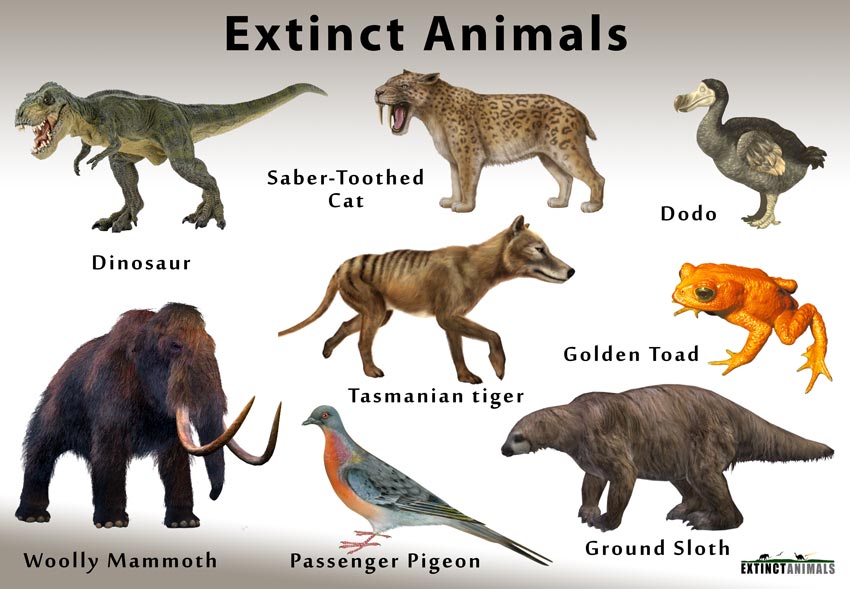
The concept of animal extinction captivates the human imagination—an eerie silence accompanies the absence of a species. Each extinction tells a story, often echoing the larger narrative of human impact on the environment. Yet, as we ponder whether we can prevent every animal from going extinct, we delve not just into the realm of possibility but also into the intricate web of interdependence that sustains life on Earth.
It is a palpable melancholy that permeates conversations about extinction. Elephants with their noble lineage, giant tortoises that walk the Earth like living fossils, and the mysterious passenger pigeon, once abundant but now relegated to history, underscore our responsibility. In reckoning with the looming specter of extinction, we must ask ourselves: is it merely a question of ability, or is it a reflection of our values and choices?
To fully grasp the complexity of conservation efforts, it is essential to understand the multifaceted reasons behind animal extinction. The primary drivers often include habitat destruction, climate change, pollution, and overexploitation. Each cause unveils a critical truth: human activities are inextricably linked to the trajectories of numerous species. When forests are razed for agriculture, the delicate balance of ecosystems teeters on the brink of collapse. Coral reefs, often dubbed the ‘rainforests of the sea,’ are dying due to both warming waters and acidification. Herein lies a paradox: our pursuit of progress is often at the expense of the very biodiversity that sustains us.
While the statistical reality hints at a grim future—some experts predict that up to one million species are currently at risk of extinction—the question remains: can we save them? The fortitude of conservation biology has made remarkable strides, revealing paths forward through scientific innovation and community involvement. Techniques such as captive breeding, habitat restoration, and even advanced genetic methods like CRISPR hold promise. However, employing these tools necessitates significant investment and a collective commitment to change.
In exploring what such a commitment entails, one must confront the cultural and psychological elements at play. Humanity tends to possess a selective empathy; certain species garner our affection and advocacy, while others languish in obscurity. Charismatic megafauna, like the tiger or the polar bear, often overshadow less glamorous yet equally important species such as the myriad native bees or the humble earthworm. This bias complicates our conservation narrative. Should our protective impulses be guided solely by aesthetic appeal, or should we endeavor to foster appreciation for all species regardless of their allure? Engendering a broader understanding of ecological intricacies is critical.
The urgency of climate change adds an additional layer of complexity to the conversation. Species that are resilient today may not be able to cope with shifting climatic conditions. Animals traditionally found in specific niches find those habitats disappearing or morphing before their eyes. For instance, the iconic polar bear is often depicted as the harbinger of climate change; its very existence hangs precariously in the balance. Yet, what about the myriad of organisms that sustain entire ecosystems, hidden from popular discourse? Addressing climate change comprehensively is indispensable not only for iconic species but for the entire tapestry of life.
Moreover, conservation is intertwined with social justice. Ecological integrity often exists hand-in-hand with local communities’ wellbeing. Indigenous groups worldwide have maintained stewardship of their lands for millennia; their practices and philosophies are essential to sustainable conservation efforts. When we talk about saving species, we must also consider the cultural contexts and livelihoods of those who inhabit the ecosystems in question. A myopic approach that sidesteps these communities’ voices risks not only ecological failure but also social upheaval.
Another crucial dimension to consider is the economic framework surrounding conservation efforts. Can we truly mobilize the necessary resources to prevent extinction without robust financial backing? Innovative funding mechanisms must be developed to support conservation: ecotourism, green investments, and sustainable agriculture offer potential pathways. Additionally, aligning corporate interests with conservation goals can catalyze a paradigm shift. The challenge lies in restructuring economic incentives to prioritize preservation over depletion.
Yet, despite the daunting challenges, pockets of hope exist. Successful conservation stories remind us that resilience is possible. The recovery of the California condor, from near-extinction through dedicated breeding programs, signifies that with concerted effort, success is possible. Similar achievements can serve as templates for restoration initiatives across various species. They infuse the dialogue around extinction with optimism, emphasizing that while not every species can be saved, significant numbers can be protected.
Ultimately, the question of whether we can prevent every animal from going extinct is not merely an ecological query but a profound ethical consideration. It serves as a mirror reflecting our values, priorities, and collective responsibility. It challenges us to confront uncomfortable realities and urges us to foster an enduring respect for the natural world. In every heartbeat of the wild, we are reminded of the interconnectedness of life—an intricate symphony of existence that requires our unwavering commitment to maintain. While complete prevention may elude us, every action counts, every voice matters. In our relentless pursuit of balance, we can ensure that the stories of myriad species continue to echo through the ages, undiminished in their majesty and vital to our shared legacy.








Leave a Comment