The transition toward net-zero emissions has emerged as one of the most pressing imperatives of our time. Climate change is no longer an abstract threat looming on the horizon; it is a palpable reality manifesting in extreme weather patterns, rising sea levels, and biodiversity loss. As governments and organizations around the globe grapple with the urgency of climate action, an intriguing proposition arises: can the net-zero transition become a global engine for job creation? The answer, while complex, offers a panoramic view of both the challenges and opportunities that lie before us.
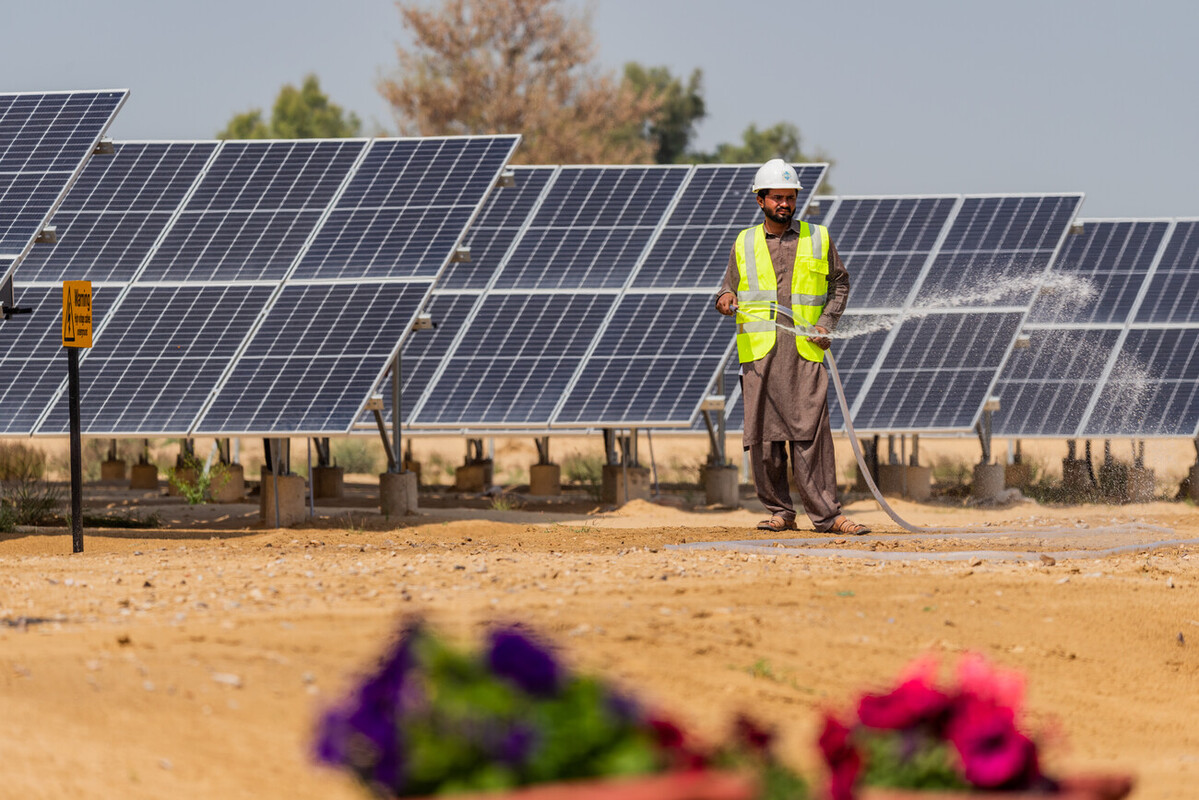
At the forefront of this conversation is the renewable energy sector, which stands to benefit immensely from a shift toward net-zero. Indeed, the International Renewable Energy Agency (IRENA) has estimated that transitioning to renewable energy could create millions of jobs worldwide. Solar and wind energy, in particular, are poised to dominate this transformation. Manufacturing solar panels, constructing wind farms, and developing energy storage solutions are all burgeoning sectors that require a skilled workforce. Each transitional step—from research and development to installation and maintenance—provides an opportunity for job creation.
Additionally, the construction of energy-efficient buildings presents another avenue for employment. As the world embraces energy efficiency, there will be a palpable demand for professionals skilled in sustainable design, retrofitting old structures, and adhering to new building codes. Architects, engineers, and tradespeople will find their services in higher demand as cities and countries strive to diminish their carbon footprints. This multifaceted approach to job creation not only addresses unemployment but also instills a sense of responsibility toward future generations.
Moreover, we must consider the role of technology and innovation. The green technologies that will facilitate the net-zero transition—including carbon capture and storage (CCS), electric vehicles (EVs), and hydrogen fuel cells—represent nascent fields ripe for exploration and development. Job creation in these areas extends beyond traditional roles. Data analysts, software developers, and environmental scientists will be integral to the design, implementation, and scaling of these futuristic solutions. This technological evolution necessitates a workforce that is not just numerous but also highly skilled—a challenge that educational institutions must rise to meet with alacrity.
However, transitioning toward a green economy entails significant challenges. The fossil fuel industry, long a bastion of job security and economic stability for millions, faces inevitable decline as governments enforce stricter emissions standards. Workers in these sectors risk losing their livelihoods, and the need for an equitable transition cannot be overstated. Policymakers must devise strategies to upskill displaced workers, enabling them to seamlessly transition into emerging industries. Failure to do so could result in a polarized workforce, exacerbating socioeconomic disparities and engendering discontent among those left behind.
Vocational training and reskilling programs are essential in bridging this gap. Public and private partnerships will play a vital role in developing and implementing curricula focused on green technologies and sustainable practices. Fostering a culture of lifelong learning will empower individuals, equipping them with the knowledge and skills needed to navigate the ever-evolving job market. As such, retraining initiatives are not merely an act of goodwill; they represent a pragmatic acknowledgment of the shifting landscape of employment in a climate-conscious world.
Furthermore, an effective net-zero strategy necessitates a robust regulatory framework to foster sustainable job creation. Governments can incentivize green investments through tax credits, grants, and public-private partnerships. Clear guidelines and standards will help businesses transition toward environmentally responsible practices. As industries adapt to the demands of sustainability, countless opportunities for job creation will arise. Herein lies a critical component: the urgency of climate action must be paralleled by a coherent economic policy that cultivates a green workforce.
In addition to individual sectors, the societal implications of a net-zero transition are significant. A cleaner environment is intrinsically linked to public health. As air quality improves and greenhouse gas emissions decrease, communities will experience the benefits of reduced respiratory ailments and other health issues. This, in turn, creates a healthier workforce, ready to contribute positively to the economy. The ripple effects of job creation in green industries extend far beyond immediate employment opportunities; they foster stronger communities, bolster public health, and enhance overall quality of life.
Innovative financing mechanisms will also be paramount. By leveraging public funds alongside private investment, entrepreneurship in the green economy can flourish. Green bonds, for instance, have gained traction as a means of financing sustainable infrastructure projects. Such initiatives could stimulate not only job creation but also innovation, driving economic growth in the process. A robust ecosystem of entrepreneurs and business leaders willing to invest in sustainable practices must be cultivated to fully harness the potential of the net-zero transition.
In conclusion, the net-zero transition is poised to become a global engine for job creation, albeit not without its hurdles. The renewable energy sector, construction of energy-efficient buildings, and technological advancements all offer promising avenues for employment. Yet, it is essential to navigate the transition thoughtfully, addressing the needs of displaced workers and fostering an environment conducive to innovation and growth. Policymakers need to craft equitable strategies that ensure a just transition, engaging diverse stakeholders in the process. With a collective commitment to sustainability, we can harness the momentum of the net-zero transition to build a more resilient, equitable, and vibrant global economy. By intertwining economic viability with environmental stewardship, we can achieve a future in which job creation and climate action go hand in hand.











Leave a Comment