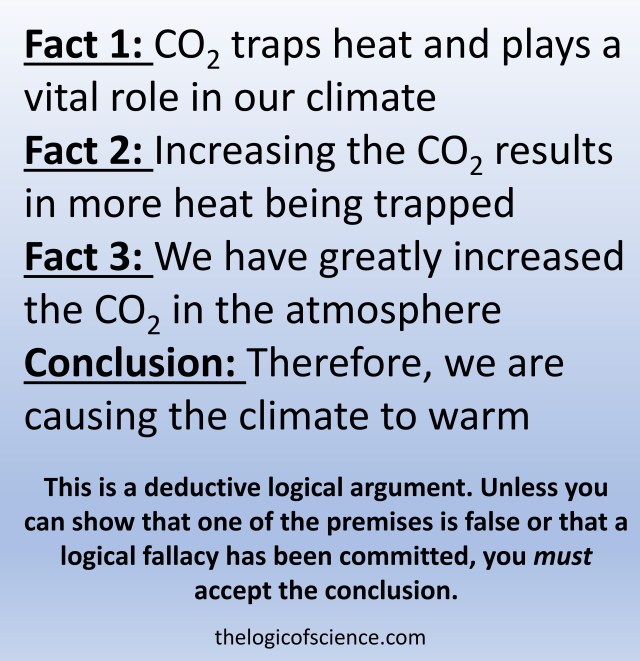
The planet has entered into a precarious phase, where the intricate balance of its ecosystems is on the brink of disruption. A commonly posed question arises amidst this growing concern: “Can climate change be proven false?” While this may seem like an innocuous query, it serves as a provocative challenge to the bedrock of contemporary scientific understanding. What if, contrary to overwhelming consensus, climate change were merely a fleeting notion, a figment of misinterpretation? Let us engage in this rigorous exploration of climate change—from its origins to its resounding proofs—while examining the philosophical implications of declaring it false.
At the outset, one must grapple with the fundamental definition of climate change itself. Within the scientific community, climate change refers to significant alterations in temperature, precipitation, and other atmospheric elements over extended periods. The term is often synonymous with anthropogenic global warming—the increase in global average temperatures largely attributable to human activities, particularly the combustion of fossil fuels. So, can we discredit such a well-established phenomenon, or is this an exercise in futility grounded in misunderstanding?
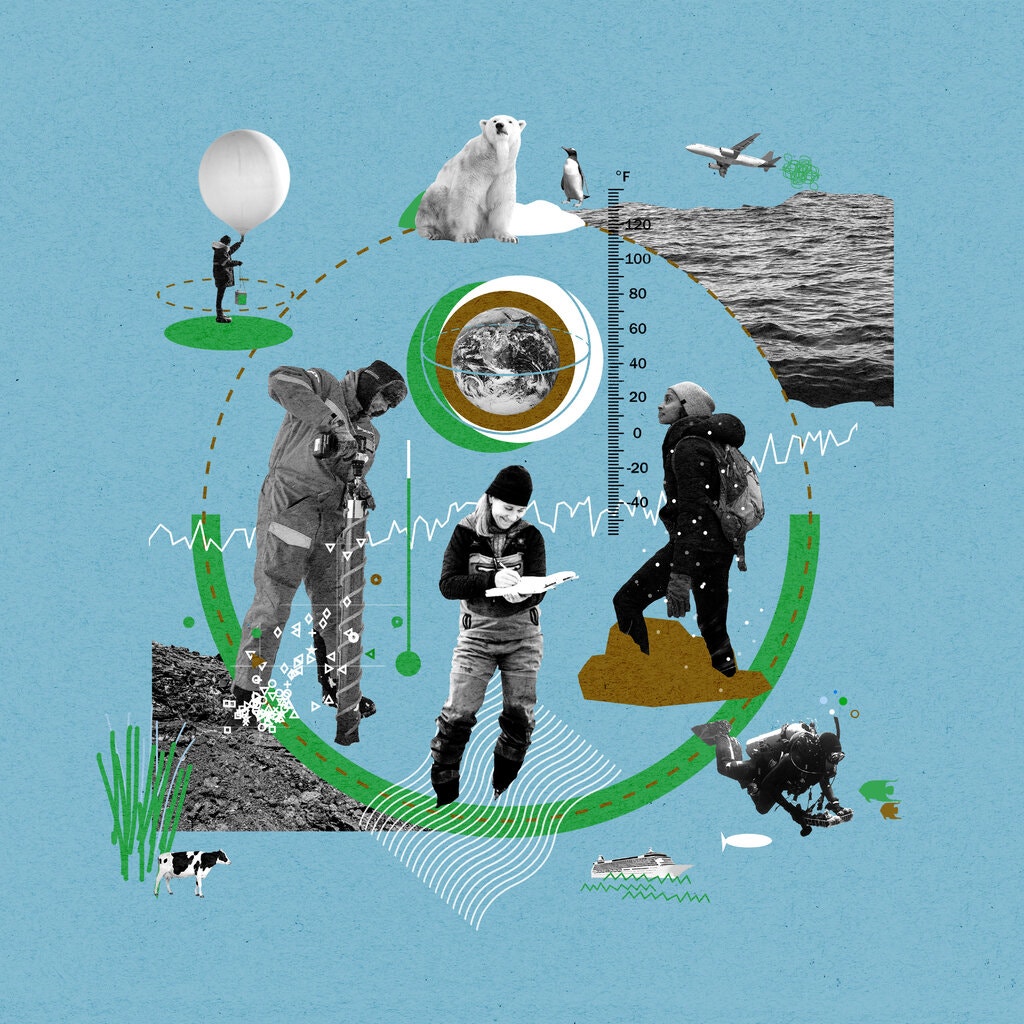
To address this query, one must embark on an odyssey through the storied annals of climatology. Scientists have amassed a staggering volume of data over decades that point decisively toward climate change. Ice core samples, tree rings, and ocean sediments all serve as proxies for ancient climate conditions, revealing a historical narrative replete with evidence of dramatic shifts. The most critical of these changes occurred in the last century, where the correlation between industrial growth and rising temperatures has been meticulously documented. Could such a vast body of evidence be successfully undermined? It seems implausible.
As we navigate the labyrinth of arguments against the validity of climate change, it becomes apparent that skepticism often arises from the misinterpretation of scientific data or ignorance of scientific methodology. Detractors may point to anomalies—such as unseasonable cold snaps or regional climate variances—as disproof of global warming. However, it is crucial to delineate between local weather phenomena and global climate trends. Weather encapsulates short-term variations, while climate embodies overarching patterns that emerge only through long-term observation. This distinction is of paramount importance, yet it is frequently obscured in polarizing debates.
The scientific method serves as our compass, guiding us through the evidentiary wilderness. Empirical studies utilize repeated testing, peer review, and scrutiny from the international community to fortify claims. The Intergovernmental Panel on Climate Change (IPCC), for instance, synthesizes vast amounts of research, producing comprehensive assessments that underscore a singular conclusion: climate change is real, and its impacts are imminent. Highlighting this robust methodology casts doubt on claims that seek to invalidate climate science.
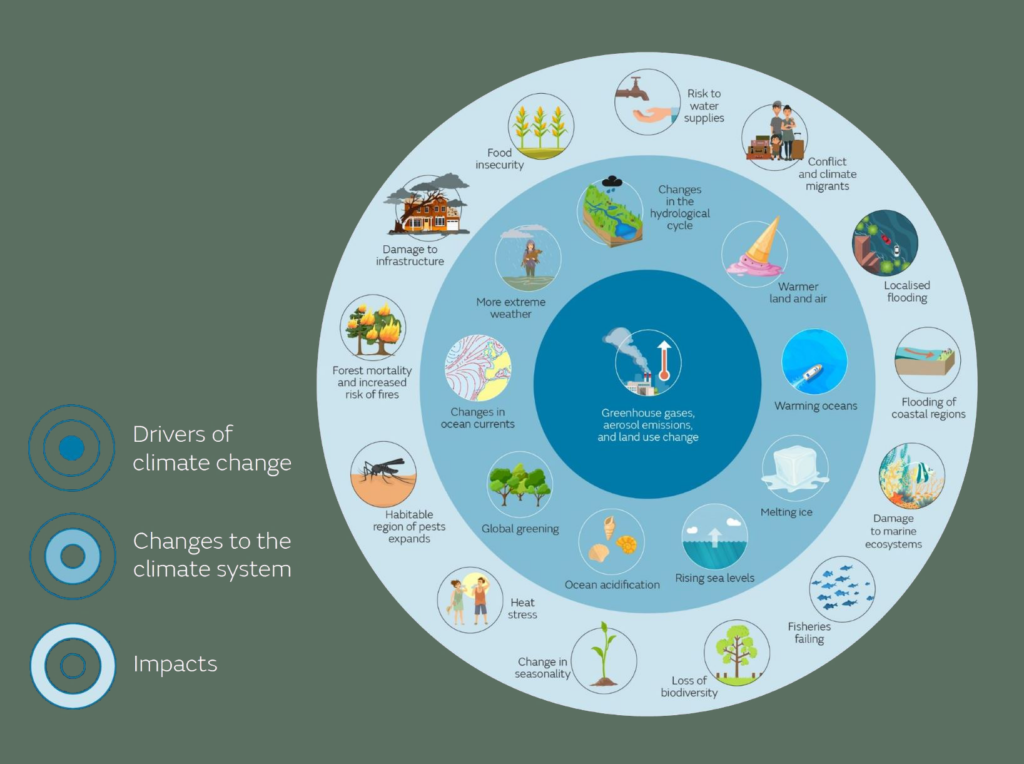
Despite the overwhelming evidence, the complexity of climate systems often invites confusion, resulting in misinterpretations that can lead to unfounded doubts. Consider the multitude of factors that influence climatic conditions—ocean currents, solar radiation, volcanic eruptions, and human behavior. Each of these elements plays a role in the ecosystem’s grand tapestry, interwoven in ways that can baffle the untrained mind. In this light, when faced with erratic weather events, some may hastily conclude that climate change is cyclical or exaggerated. However, this oversimplification disregards the cumulative impact of human activity, which has steadily displaced natural variances with alarming regularity.
Embracing the narrative of climate change as an evolutionary phenomenon is essential for societal acceptance. Throughout history, civilizations have thrived and perished based on their adaptability to changing climates. However, today’s challenge transcends mere adaptation; it requires a radical rethinking of our relationship with the environment. The stakes are unprecedentedly high as we witness rising sea levels, shifting agricultural zones, and the extinction of species at an alarming rate. Can we afford to be complacent or dismissive?
Moreover, exploring the implications of climate denialism unveils the profound ethical dilemma entwined with this discursive battle. When we entertain notions that undermine established science, we inadvertently hinder progress towards sustainable solutions. Such skepticism fosters a culture of inertia, rendering communities powerless in the face of increasing threats from nature—floods, droughts, and hurricanes grow more frequent and severe. Simply put, climate change denial not only distorts scientific understanding but also poses dire consequences for future generations.
Nevertheless, the essence of scientific inquiry fosters a culture of questioning. It thrives on hypothesis testing, and the ideas that challenge prevailing thought are often the ones that propel us forward. Thus, while it is crucial to acknowledge the overwhelming evidence supporting climate change, the spirit of inquiry must remain vibrant. Innovations in technology, renewable energy, and ecological restoration could stem from questioning the status quo—provided this questioning is rooted in profound respect for evidence rather than capricious skepticism.
In conclusion, while the question “Can climate change be proven false?” tantalizes the imagination, the reality stands resolute. The evidence amassed over decades creates an indelible case for climate change as an urgent global crisis. It is not merely an issue of scientific endorsement but one that implicates moral responsibility. As we cultivate a deeper understanding of our climate, let us not descend into the abyss of denial. Instead, let us act with resolute confidence, harnessing knowledge as our most potent tool in addressing the existential threats that loom on the horizon.








Leave a Comment