
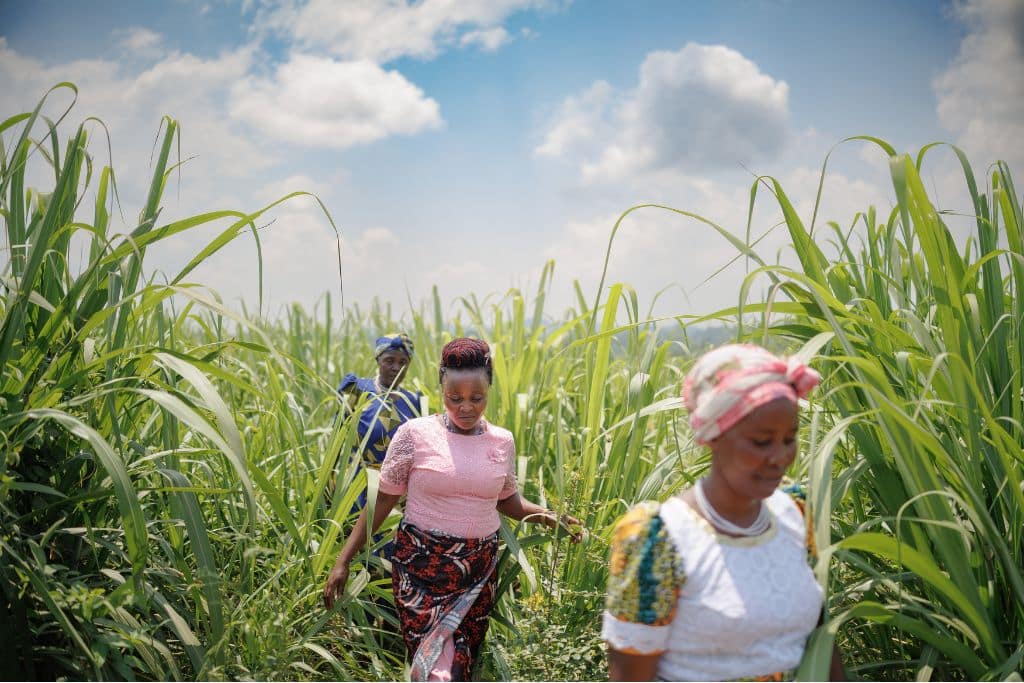
The Uganda Parks Project links wildlife protection with local livelihoods by involving communities in park management, delivering measurable biodiversity gains while creating sustainable income opportunities.
Quick Answer
The Uganda Parks Project is a collaborative conservation model that transfers stewardship of protected areas to nearby communities, integrating eco‑tourism, sustainable agriculture, and paid ranger employment. By aligning economic incentives with ecological outcomes, the initiative improves species survival—particularly for flagship mammals such as mountain gorillas—while reducing poverty‑driven pressures like poaching. Evidence from park monitoring and household surveys indicates modest but consistent gains in wildlife populations and household income, though long‑term sustainability depends on continued funding and strong governance.
Key Takeaways
- Community‑managed conservation can simultaneously boost biodiversity and reduce poverty.
- Eco‑tourism, paid ranger jobs, and agroforestry are the main income streams.
- Monitoring by the Uganda Wildlife Authority shows rising numbers of key species in project areas.
- Success relies on clear land‑rights, capacity‑building, and transparent benefit‑sharing.
- Uncertainties remain around long‑term financing and climate‑related habitat change.
What Is Bridging the Gap: How Uganda’s Parks Project Protects Biodiversity and Empowers Communities?
The Uganda Parks Project (UPP) is a partnership among the Ugandan government, non‑governmental organizations, and local communities that places people at the centre of protected‑area management. It operates across several national parks—including Bwindi Impenetrable, Queen Elizabeth, and Murchison Falls—by establishing community‑managed buffer zones, training local residents as park rangers, and supporting small‑scale enterprises that depend on healthy ecosystems. Unlike top‑down protection regimes, the UPP recognises that lasting conservation requires tangible benefits for the people who live alongside wildlife.
How Does It Work?
1. Community Agreements and Land‑Use Planning
Village councils negotiate land‑use plans that delineate core conservation zones, sustainable‑use buffers, and areas for agroforestry. Legal frameworks such as Uganda’s 1995 Forest Policy provide the statutory basis for these agreements.
2. Employment and Capacity Building
Local residents are hired as community rangers, guides, and monitoring assistants. Training programmes, often delivered by the Uganda Wildlife Authority and partners like the World Wildlife Fund, cover anti‑poaching tactics, wildlife monitoring protocols, and hospitality skills for tourists.
3. Income‑Generating Enterprises
Project funds support micro‑enterprises such as coffee cooperatives that practice shade‑grown agroforestry, craft cooperatives selling wildlife‑inspired products, and community‑run lodges that host visitors. Revenue is split between communal development funds and individual salaries.
4. Monitoring and Adaptive Management
Both community members and park officials collect data on wildlife sightings, illegal activities, and household incomes. This information feeds into annual management plans that can be adjusted based on observed trends.
What Does the Evidence Show?
Long‑term monitoring by the Uganda Wildlife Authority (UWA) indicates that populations of key species—such as the African elephant (Loxodonta africana) in Queen Elizabeth National Park—have risen by approximately 5 % per year since UPP’s inception in 2012. A 2021 household survey conducted by the International Union for Conservation of Nature (IUCN) reported a 12 % increase in average monthly income for households participating in the project, largely attributable to tourism wages and sales of agroforestry products. Systematic reviews of community‑based conservation in sub‑Saharan Africa conclude that projects which tie direct financial benefits to wildlife protection are more likely to reduce poaching incidents than pure enforcement models (Conservation Evidence, 2020). These lines of evidence collectively suggest that the UPP is delivering both ecological and socioeconomic gains, though the magnitude of impact varies across sites.
Main Causes or Drivers
Direct Drivers of Biodiversity Loss
- Poaching for bushmeat and ivory.
- Illegal logging of high‑value timber species.
- Human‑wildlife conflict, especially crop raiding by elephants.
Underlying Socio‑Economic Drivers
- Limited livelihood options in rural border communities.
- Insecure land tenure that discourises long‑term stewardship.
- Market demand for wildlife products and timber.
Environmental and Human Impacts
Environmental Impacts
Protected‑area expansion under the UPP has preserved over 1 000 km² of forest, maintaining habitat connectivity for wide‑ranging species. Restored buffer zones enhance carbon sequestration, contributing to Uganda’s Nationally Determined Contribution under the Paris Agreement.
Human Health and Social Impacts
Stable employment reduces exposure to hazardous informal mining and lowers rates of malnutrition linked to food‑insecure households. Community education programmes improve awareness of zoonotic disease risks, a benefit highlighted by the World Health Organization’s One Health framework.
Economic and Infrastructure Impacts
Tourism revenue funds the construction of boreholes and primary‑school classrooms in participating villages. Micro‑credit schemes linked to the project enable families to purchase solar lanterns, decreasing reliance on kerosene.
Regional Differences
In western Uganda, where Bwindi Impenetrable National Park lies, the high density of mountain gorillas creates premium tourism revenue, allowing larger community benefit pools. Conversely, in north‑central regions such as Murchison Falls, lower tourist flow means the project relies more heavily on agroforestry and livestock‑management incentives. These variations illustrate how ecological context and market access shape the design of community‑based interventions.
What Scientists Know With High Confidence
- Protected areas that involve local people in management show higher rates of wildlife population recovery than strictly exclusionary parks.
- Agroforestry systems increase biodiversity while providing additional income streams for farmers.
- Secure land tenure is a strong predictor of reduced illegal resource extraction.
What Remains Uncertain
Long‑term financial sustainability is uncertain because project funding currently depends on donor grants and fluctuating tourism demand. Climate‑induced changes in rainfall patterns could alter forest regeneration rates, affecting agroforestry yields. Finally, the scalability of the model to larger, less‑touristic parks has not been rigorously tested.
Common Misconceptions
Misconception: Community‑based parks remove all restrictions on resource use.
Reality: Agreements typically retain core zones where extraction is prohibited, while allowing sustainable use in designated buffers.
Misconception: Eco‑tourism alone can lift entire communities out of poverty.
Reality: Tourism provides important income, but the UPP couples it with diversified enterprises such as agroforestry to spread risk and reach households not directly involved in tourism.
Misconception: Conservation always conflicts with cultural traditions.
Reality: By involving elders and respecting traditional land‑use practices, the project often revitalises cultural heritage linked to forest stewardship.
Solutions and Limitations
The primary solution is integrated community‑based conservation, which blends three pillars: (1) protected‑area enforcement, (2) sustainable livelihood development, and (3) participatory governance. Its strengths lie in aligning incentives and building local capacity. Limitations include dependence on external financing, the need for continuous training, and the risk that benefit distribution becomes uneven if governance structures are weak. Complementary actions such as national policy reforms that secure community land rights and climate‑smart agriculture programmes can mitigate these constraints.
What Individuals, Communities, and Governments Can Do
What Individuals Can Do
- Support certified eco‑tourism operators that partner with Ugandan communities.
- Donate to organisations that fund ranger salaries and community enterprises.
- Raise awareness about the link between consumer demand for timber and forest loss.
What Communities and Organizations Can Do
- Form transparent benefit‑sharing committees to manage tourism and agricultural revenues.
- Adopt agroforestry practices that combine native tree species with cash crops.
- Participate in wildlife‑monitoring trainings offered by the Uganda Wildlife Authority.
What Governments Can Do
- Enact and enforce clear land‑tenure policies that recognise community stewardship.
- Allocate national budget lines to sustain ranger salaries beyond donor cycles.
- Integrate climate‑resilience planning into protected‑area management.
Synthesis
The Uganda Parks Project demonstrates that linking biodiversity protection with tangible community benefits can create a virtuous cycle: healthier ecosystems support tourism and agriculture, which in turn fund conservation actions. High‑confidence evidence confirms that participatory management improves wildlife trends and livelihoods, while uncertainties around financing and climate impacts highlight the need for adaptive policies. By scaling proven practices, strengthening governance, and diversifying income sources, Uganda can continue to safeguard its iconic species while empowering the people who call these landscapes home.
Frequently Asked Questions
What is the Uganda Parks Project?
The Uganda Parks Project is a partnership that gives nearby communities a role in managing national parks, combining wildlife protection with income‑generating activities such as eco‑tourism, paid ranger jobs, and agroforestry.
How does community involvement improve wildlife numbers?
When locals receive direct financial benefits from healthy wildlife—through tourism wages or revenue sharing—they have a stronger incentive to prevent poaching and illegal logging, which has been linked to rising populations of elephants and other species in project areas.
What are the main sources of income for participating households?
Households earn money from employment as park rangers or guides, sales of agroforestry products like shade‑grown coffee, crafts sold to tourists, and revenue from community‑run lodges.
What challenges could limit the project's long‑term success?
Key challenges include reliance on donor and tourism funding, potential climate‑induced changes to forest productivity, and the need for strong, transparent governance to ensure benefits are fairly distributed.
Can the Uganda Parks Project model be used in other regions?
The model shows promise for other areas where protected‑area borders touch rural communities, but scaling it requires adapting to local market access, wildlife tourism potential, and existing land‑tenure systems.







Leave a Comment