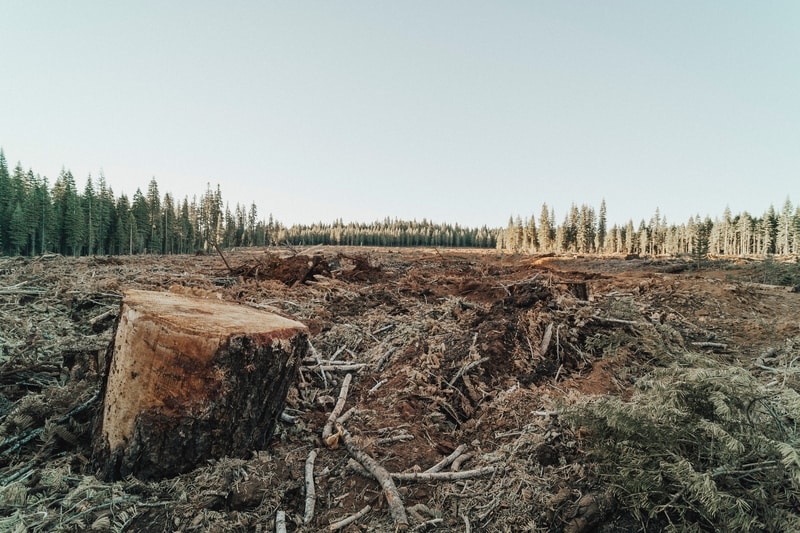
In the heart of Brazil, a silent tragedy unfolds as the majestic Amazon rainforest—often referred to as the “lungs of the Earth”—falls victim to ruthless exploitation. The expansive green canopies give way to barren land, not for the advancement of society but for the insatiable demand for beef and soy that the European Union consumes voraciously. This paradox of progress is reminiscent of a gluttonous feast, where the table is set on the broken backs of flora and fauna, an act that reverberates through ecologies and communities alike.
At the core of this issue lies a complex and intricate web, weaving together agricultural practices, international trade, and environmental degradation. The allure of profitability lures farmers and corporations alike into a cycle where sustainability is often sacrificed at the altar of economic gain. Brazil’s beef and soy exports have burgeoned, driven by a unique combination of global demand and domestic incentives, which unfortunately often come hand in hand with deforestation.
To comprehend the enormity of this plight, one must first recognize the scale of deforestation in Brazil. The Amazon rainforest, once a vast tapestry of biodiversity, is fragmented and dwindling. Satellite imagery reveals gaping holes where lush greenery once thrived, replaced by fields of soy and pastures for cattle grazing. This relentless march of agricultural expansion is propelled by the desire to meet the demands of international markets, with the European Union being one of the largest consumers seeking beef and soy imports.
As we delve deeper into this systemic issue, it is essential to acknowledge the vital role that Brazil plays in the global agricultural landscape. The country is one of the largest producers and exporters of beef and soy. These commodities serve as linchpins for economic stability, creating jobs and generating revenue. However, this economic boon comes at a staggering environmental cost. Deforestation not only erodes biodiversity but also exacerbates climate change by releasing stored carbon dioxide back into the atmosphere—an irresponsible act that further weakens our fragile planet.
Much like an insatiable fire that consumes everything in its path, the demand for Brazilian beef and soy leads to a cascade of ecological atrocities. As forests disappear, indigenous communities face displacement, and their ancestral lands become the battlegrounds of corporate interests versus traditional ways of life. The erosion of tribal cultures and the disruption of indigenous stewardship of the land represent a profound loss. It is not merely trees that vanish; an entire heritage is diminished, and with it, a wealth of knowledge about sustainable living vanishes into the ether.
However, it would be a disservice to paint all actors in this narrative with the same brush. There are organizations and individuals striving to champion sustainable practices within Brazil’s agricultural sectors. Innovations in agroforestry and sustainable farming are gaining traction, demonstrating that it is indeed possible to produce food without annihilating the planet. Yet, the challenge lies in amplifying these voices amidst the clamor of conventional agricultural methods that focus on short-term gain over long-term viability. The contrast is stark—on one hand, we have the potential for a harmonious coexistence with nature, and on the other, the relentless push towards destruction.
The role of consumer choice cannot be overstated. The European Union’s appetite for Brazilian beef and soy contributes significantly to the environmental degradation experienced in the Amazon. A powerful metaphor springs to mind: consumers are unwittingly holding the match that ignites the fire of deforestation. The journey of these commodities from pasture to plate often obscures the ecological consequences waiting in the shadows. In this age of information, the informed consumer holds the power to alter this trajectory. Demand for sustainably sourced products can influence agricultural practices and encourage producers to adopt more environmentally friendly methods.
Policymakers must also act decisively to curb the tide of illegal deforestation. Enforcement of existing laws, bolstering environmental protections, and ensuring accountability are imperative for preserving this vital biome. Legislation targeting illegal land clearing and greater transparency in supply chains could serve as mechanisms to prevent the further degradation of the Amazon. Moreover, fostering partnerships between countries can pave the way for cooperative strategies aimed at balancing economic growth with ecological preservation.
In this intricate dance of economics and ecology, there lies an undeniable truth: the survival of the Amazon is interlinked with our global choices. Each exported beef steak and soybean represents a choice, a vote cast for the future we desire. The time to act is now—before silence replaces the sounds of the rainforest, where the calls of birds and rustling of leaves become echoes of a past that was once vibrant, alive, and flourishing.
By harnessing the collective will of consumers, businesses, and governments, a sustainable tragic can metamorphose into an inspiring narrative of restoration. The roadmap to a future rich with biodiversity and cultural heritage is illuminated by the choices we make today. The Amazon’s resilience is mirrored in our shared responsibility to ensure that this invaluable treasure endures for generations to come. As stewards of our planet, it is imperative that we heed the lessons of history; every decision resonates beyond borders, rippling through time and space, shaping the world we leave behind.









Leave a Comment