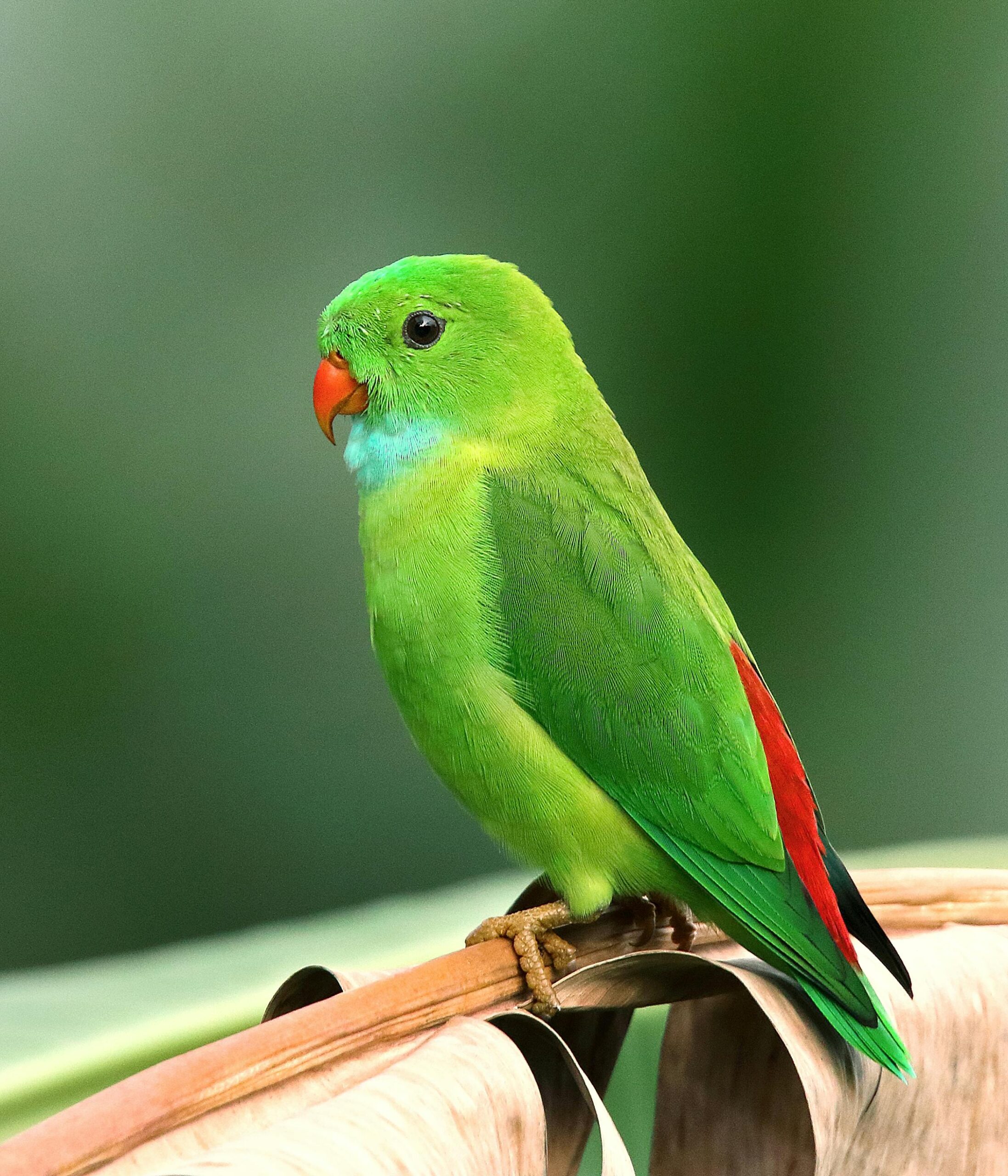
The symphony of avian voices has long been a testament to the joys of nature, a serenade that marks the transition from dusk to dawn. These feathered minstrels, part of the intricate tapestry of our ecosystems, operate under a finely tuned circadian rhythm, one that has been deftly shaped by epochs of evolution. However, the introduction of artificial light—a relentless luminescence piercing through the canopy of night—has altered this natural balance. Recent studies unveil an alarming phenomenon: birds sing longer under light pollution, raising profound ecological concerns that echo through the corridors of our environment.
To comprehend the gravity of this issue, one must first appreciate the role of avian songs in the natural world. Birds communicate through a complex language of chirps, trills, and whistles, each note carrying meaning that transcends mere sound. These vocal expressions not only serve as mating calls but are also pivotal in establishing territory, warning of predators, and fostering social bonds among their kind. Singing is an avian imperative, a fundamental component of their ethereal existence.
Yet, the specter of light pollution disturbs this delicate equilibrium, much like a dissonant chord in a well-crafted symphony. Artificial light disrupts the natural cycles, fooling birds into believing that day has extended into the night. In cities aglow with neon lights and street lamps, dusk loses its profound silence, and the melody of birds becomes a prolonged cacophony. Encroaching urban sprawl, with its relentless blaze, is not merely an aesthetic concern; it hinders the biological performance of avian species, compelling them to sing longer, seeking an audience that may not be listening.
This extended vocalization is more than just a quirk of behavior; it poses serious ramifications for bird populations. The energetic toll of prolonged singing can affect avian health and reproductive success. By singing longer, birds expend more energy, which could diminish their capacity to forage for food or evade predators. In the grand theater of nature, this shift has the potential to disturb the audience’s cast—their very survival. Numerous studies highlight the intricate connection between song duration and habitat degradation, revealing troubling patterns of increased mortality and decreased fertility rates in urbanized settings.
Additionally, consider the broader ecological impacts. Birds are custodians of their environments, engaging in seed dispersal and pest control that safeguard the intricate balance of ecosystems. When their singing patterns alter, the ripple effects traverse the web of life. It becomes a symphony not just of birds but of an entire ecological community—a concert where each note is reliant upon the next. If the chorus of birds falters, it threatens to unravel the carefully woven fabric of nature, leaving silence where there once was vibrancy.
Moreover, the implications extend beyond the birds themselves. As pollinators and foragers, many species depend on the antics and songs of their avian counterparts. A decrease in bird populations—driven by the burdensome interlude of light pollution—spells doom for countless other species. Every note sung longer under the glare of unyielding light weighs heavily upon this ecological ledger, where every imbalance means a potential loss of biodiversity.
The issue is also enmeshed in the fabric of human society, reflecting our intricate relationship with the environment. Urban lighting, initially designed to enhance safety and visibility, unknowingly encroaches upon the timeless rituals of wildlife. It raises the question: at what cost do we illuminate our lives? The quest for progress has illuminated our streets but cast shadows over our natural world. This paradox underscores our pressing responsibility to navigate a harmonious path between human development and ecological stewardship.
To counteract the effects of light pollution and nurture the natural avian concerts, municipalities and individuals can adopt strategies to ameliorate the issue. Implementing lighting regulations, minimizing excessive illumination, and using shielded fixtures can significantly reduce light spillage into natural habitats. Thoughtful landscape design, incorporating native vegetation, can shield vulnerable creatures from the harshness of artificial light. Furthermore, raising awareness among communities about the importance of preserving nocturnal tranquility can foster a culture of respect for the environment—a collective effort to coexist with the feathered choristers of our planet.
In this tale of avian endurance, we find ourselves at the heart of an ecological wake-up call. The resounding notes of birds singing longer under light pollution serve as a poignant reminder of our shared existence. They are not merely trivial inconveniences; they are harbingers of deeper ecological distress. Just as we are captivated by the beauty of a nightingale’s melody, we must recognize our role as stewards of this earth, committed to preserving the delicate balance of life. Let us strive to ensure that the harmony of nature continues to play, unmarred by the clamor of civilization.
The night sky, once a canvas of shimmering stars, must not drown in a sea of artificial illumination. As we ponder the fate of these avian songsters, we must act decisively, knowing that their song is both a gift and a call to action. A harmonious future, where birds can sing freely beneath a darkened sky, is one we must endeavor to achieve—an ecological symphony resonating with the hope of renewal and resilience.










Leave a Comment