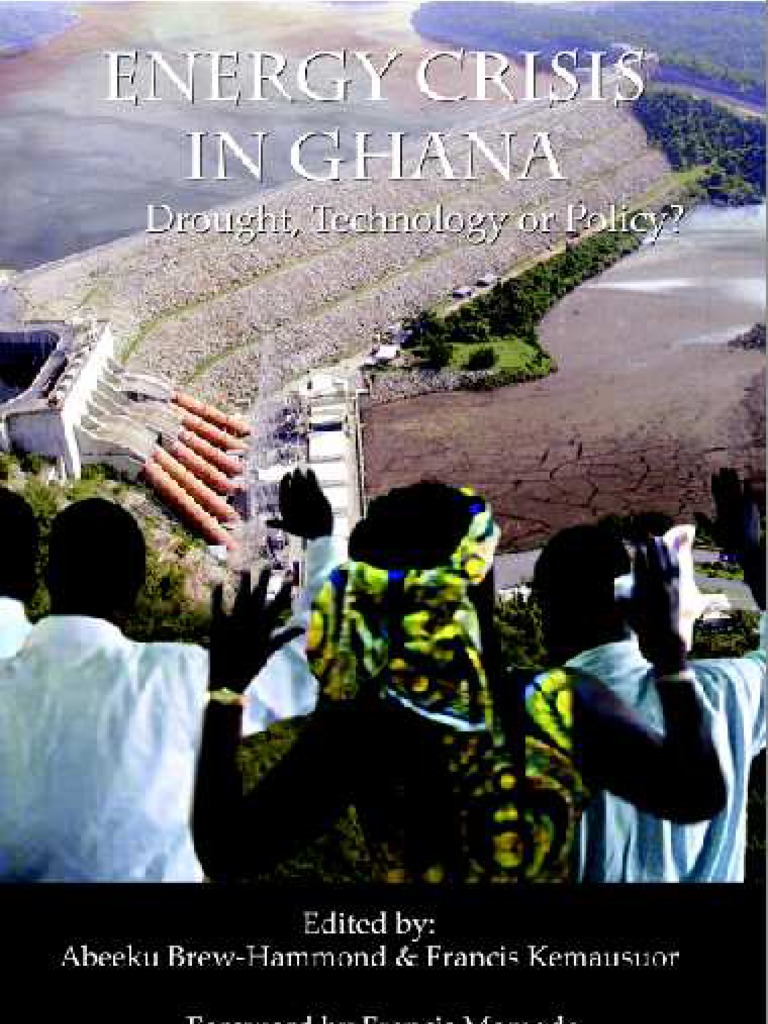
In recent years, the discourse surrounding energy sources has intensified, particularly in developing countries. Ghana, a nation rich in biodiversity and resources, finds itself at a crossroads. As the world pivots towards renewable energy, the transitional role of biomass fuels—a prominent energy source in Ghana—has come under scrutiny. While biomass is lauded for its potential to provide energy, a straightforward examination of its implications reveals a paradox: the reliance on biomass fuels could inadvertently stymie Ghana’s economic growth.
The dependency on biomass fuels, which encompass a wide array of organic materials such as wood, agricultural residues, and animal waste, is deeply ingrained in Ghanaian society. Approximately 70% of the population relies on biomass for cooking, heating, and other energy needs, particularly in rural areas. This dependence unveils a dual narrative. On one hand, biomass offers an immediate and seemingly sustainable energy solution; on the other hand, it poses significant risks to economic progression and ecological balance.
To fully comprehend the ramifications of biomass usage, it is essential to dissect the various economic dimensions involved. The first concern arises from environmental degradation. The unsustainable harvesting of biomass often leads to deforestation. Forests, which serve as critical carbon sinks, are eroded, exacerbating the challenges posed by climate change. This environmental deterioration not only affects biodiversity, but it also detracts from potential revenue in ecotourism, which could be a sustainable income stream for Ghana.
Moreover, the conversion of forests into biomass energy systems does not account for the long-term economic repercussions. The loss of forest cover undermines agriculture by degrading the soil and reducing crop yields. Agriculture is the backbone of Ghana’s economy, contributing significantly to GDP and employing a majority of the workforce. With diminished agricultural productivity, food security could be jeopardized, resulting in increased poverty rates and exacerbated social inequalities.
In addition, reliance on biomass fuels reflects a broader issue of energy inefficiency. Many biomass energy systems are outdated and technologically inefficient. Traditional methods of biomass combustion are notorious for their low energy output and high emissions of harmful pollutants. These emissions negatively affect public health, leading to increased healthcare costs and lost labor productivity. The economic burden from health-related issues can ultimately hinder economic growth by diverting resources from investment in critical infrastructure and development.
The dialogue regarding biomass fuels must also include considerations for energy diversification. Investors and policymakers need to prioritize the development of alternative renewable energy solutions, such as solar, wind, and hydroelectricity. By diversifying energy sources, Ghana can reduce its dependence on biomass fuels while simultaneously fostering economic resilience. Renewable energy technologies not only provide cleaner alternatives but can also catalyze job creation within emerging sectors, which is vital for youth employment and skill development.
Transitioning to a more diversified energy landscape requires significant investment in research and development. This investment will facilitate the adoption of new technologies that promote energy efficiency. Countries that seize such opportunities often see accelerated economic growth. However, bureaucratic hurdles and limited financial resources in Ghana may inhibit these advancements, necessitating urgent intervention from both governmental and non-governmental organizations.
Furthermore, education plays a pivotal role in this transition. Raising awareness about the economic and environmental repercussions of biomass dependency can empower communities to adopt more sustainable practices. Educational campaigns should aim to foster a culture of energy conservation and innovation. By nurturing a generation educated in sustainable energy practices, Ghana stands to cultivate a more enlightened workforce equipped to tackle the nation’s energy challenges.
Equally essential is the establishment of policies that support sustainable energy initiatives. Legislative frameworks that incentivize the use of cleaner energy sources while phasing out unsustainable biomass practices could pave the way for a greener economy. Implementing stringent regulations on deforestation and pollution from biomass energy production could catalyze a significant shift in energy consumption patterns.
Lastly, durable partnerships between Ghana and international organizations can bolster the national agenda for sustainable economic growth. Collaborations should focus on sharing knowledge, technology, and funding to enhance Ghana’s energy infrastructure. Such partnerships can be transformative, providing not only the resources needed for a sustainable shift but also aligning Ghana’s energy policies with global climate goals.
In summary, the complexities surrounding biomass fuels in Ghana necessitate a thorough analysis. Although these fuels have been a staple for energy production, their long-term implications could hinder economic advancement and exacerbate environmental degradation. By embracing alternative energy resources, investing in education and technology, and fostering collaborative partnerships, Ghana possesses the potential to reshape its energy landscape. The future hinges on recognizing this potential, embracing innovation, and prioritizing sustainable growth, ultimately securing a more prosperous economic future for its citizens.










Leave a Comment