

The meat industry generates a disproportionate share of global greenhouse gases, deforestation, and resource use, making accountability essential for climate mitigation.
Quick Answer
Big Meat’s climate problem refers to the extensive greenhouse‑gas emissions, land‑use change, water depletion, and biodiversity loss linked to industrial livestock production. The main mechanisms are methane from ruminants, nitrous oxide from manure and synthetic fertilizers, and carbon released by converting forests to pasture. Scientific assessments consistently show that livestock accounts for roughly a quarter of anthropogenic emissions, making it a critical target for climate action. While uncertainties remain around regional emission factors, the overall impact is clear: without systemic changes, the sector will hinder global temperature goals.
Key Takeaways
- Livestock production contributes about 24% of global greenhouse‑gas emissions, driven mainly by methane and nitrous oxide.
- Deforestation for pasture and feed crops releases stored carbon and threatens biodiversity.
- Water use and pollution from manure exacerbate ecosystem stress, especially in arid regions.
- High‑confidence evidence supports mitigation through dietary shifts, regenerative grazing, and policy incentives.
- Uncertainties persist in regional emission accounting and the long‑term effectiveness of emerging feed additives.
What Is Big Meat’s Climate Problem: Why the Industry Must Be Held Accountable?
Big Meat describes the global network of large‑scale animal‑protein producers, feed manufacturers, and associated supply chains that dominate meat markets. Its climate problem encompasses all greenhouse‑gas emissions, land‑use change, water consumption, and pollution generated from raising cattle, sheep, pigs, and poultry for human consumption. The term differs from “livestock farming” by emphasizing corporate concentration and industrial practices that amplify environmental footprints.
How Does It Work?
1. Methane Production from Ruminants
Enteric fermentation in cattle and sheep releases methane (CH₄), a gas 28‑times more potent than CO₂ over a 100‑year horizon (IPCC AR6, 2021). Globally, ruminants emit roughly 120 Mt CH₄ per year.
2. Nitrous Oxide from Manure and Fertilizer
Manure management and the application of synthetic nitrogen fertilizers generate nitrous oxide (N₂O), which is about 265 times more potent than CO₂ over 100 years. The FAO estimates livestock‑related N₂O emissions at 5 Gt CO₂‑equivalent annually.
3. Deforestation and Land‑Use Change
Converting forests to pasture or feed‑crop fields releases stored carbon and reduces carbon sequestration capacity. The Global Forest Resources Assessment (FAO, 2020) attributes roughly 70 % of Amazon deforestation to cattle ranching.
4. Water Use and Pollution
Producing 1 kg of beef typically requires 15,000 L of water, far exceeding the 1,000 L needed for the same amount of legumes. Manure runoff introduces nutrients and pathogens into waterways, causing eutrophication.
5. Supply‑Chain Energy Use
Transporting live animals, processing meat, and refrigerating products depend heavily on fossil fuels, adding indirect emissions that can represent up to 30 % of a product’s total carbon footprint.
What Does the Evidence Show?
The Intergovernmental Panel on Climate Change (IPCC) AR6 (2021) identifies livestock as the largest non‑energy source of emissions, accounting for 24 % of global anthropogenic greenhouse gases. A systematic review in *Nature Climate Change* (2020) found that dietary shifts toward plant‑based foods could reduce emissions by up to 70 % in high‑consumption regions. Long‑term satellite monitoring confirms that deforestation rates in the Brazilian Cerrado correlate strongly with cattle herd expansion (INPE, 2022). Meta‑analyses of feed‑additive trials show that certain seaweed supplements can cut enteric methane by 30‑40 % under controlled conditions, though field‑scale results remain variable.
Main Causes or Drivers
Direct Causes
- High demand for beef, pork, and poultry driven by income growth and cultural preferences.
- Industrial confinement systems that concentrate animals, amplifying manure emissions.
- Expansion of pasture and soy‑based feed crops into forested areas.
Underlying Drivers
- Subsidies for livestock and feed production that lower market prices.
- Global trade policies that encourage export‑oriented meat production.
- Limited public awareness of the carbon intensity of meat.
Environmental and Human Impacts
Environmental Impacts
- Climate change: Methane and N₂O emissions accelerate warming, contributing to extreme weather.
- Deforestation: Loss of carbon‑dense forests reduces biodiversity and ecosystem services.
- Water stress: High water footprints strain river basins, especially in semi‑arid regions.
- Air and water pollution: Ammonia from manure degrades air quality; nutrient runoff fuels algal blooms.
Human Health and Social Impacts
- Airborne ammonia and particulate matter increase respiratory illness risk in nearby communities.
- Water contamination can affect drinking supplies and fisheries, impacting food security.
- Livestock‑related jobs are vulnerable to climate‑driven disruptions, especially in low‑income rural areas.
Regional Differences
In South America, cattle ranching dominates land‑use change, driving the greatest share of deforestation‑related emissions. In the United States and Europe, intensive feedlot operations concentrate methane emissions per animal but occupy less land, while in sub‑Saharan Africa, small‑holder livestock contribute to water scarcity and soil degradation. These patterns illustrate that mitigation strategies must be tailored to local production systems, climate zones, and socioeconomic contexts.
What Scientists Know With High Confidence
- Livestock production is a major source of methane and nitrous oxide, together accounting for roughly a quarter of anthropogenic greenhouse‑gas emissions.
- Deforestation for pasture and feed crops releases large amounts of stored carbon and is a leading driver of biodiversity loss.
- Reducing meat consumption, especially beef, yields measurable climate‑benefits across income groups.
What Remains Uncertain
Key uncertainties include the exact emission factors for mixed‑species systems in developing regions, the long‑term scalability of methane‑reducing feed additives, and how policy incentives will interact with market dynamics to shift production toward regenerative practices. Improved satellite monitoring and farm‑level reporting are needed to narrow these gaps.
Common Misconceptions
Misconception: All meat has the same climate impact.
Reality: Beef and lamb emit far more greenhouse gases per kilogram than pork or poultry because ruminants produce large amounts of methane.
Misconception: Plant‑based diets are the only solution.
Reality: While dietary shifts are powerful, improvements in feed efficiency, manure management, and agroforestry also deliver significant emission reductions.
Misconception: Small farms have negligible impact.
Reality: Cumulative emissions from millions of smallholders can be substantial, especially where extensive grazing replaces natural ecosystems.
Solutions and Limitations
Effective responses combine mitigation, adaptation, and policy measures:
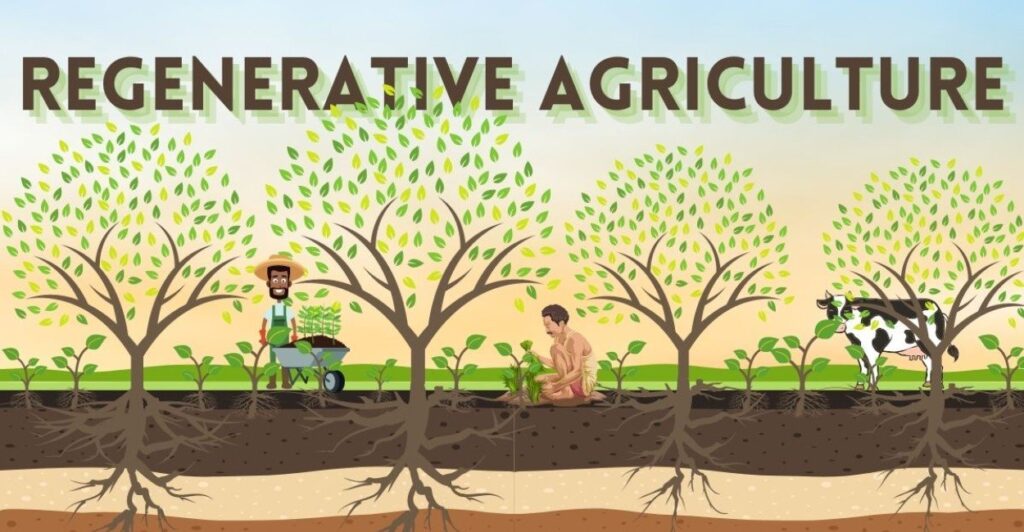
- Regenerative grazing: Restores soil carbon but requires farmer training and may reduce short‑term yields.
- Feed additives and breeding: Can cut methane but may raise cost and need regulatory approval.
- Dietary shifts: Reducing beef intake offers the highest per‑capita emission cut; however, cultural preferences can limit adoption.
- Carbon pricing and subsidies: Incentivize lower‑emission practices but must be designed to avoid harming low‑income producers.
- Improved waste management: Anaerobic digesters capture biogas, yet capital costs are high for small operations.
What Individuals, Communities, and Governments Can Do
What Individuals Can Do
- Choose plant‑forward meals several times a week, prioritising legumes and whole grains.
- Support certified regenerative or pasture‑raised products when affordable.
- Reduce food waste, which indirectly lowers livestock feed demand.
What Communities and Organizations Can Do
- Develop local food‑policy plans that promote urban agriculture and plant‑based school meals.
- Facilitate farmer cooperatives that share costs of manure‑digesters or carbon‑sequestration projects.
What Governments Can Do
- Implement science‑based targets for livestock emissions within national climate commitments.
- Redirect subsidies from intensive feedlot operations toward sustainable grazing and agroforestry.
- Require transparent reporting of greenhouse‑gas emissions throughout the supply chain.
- Support research on low‑emission feed technologies and scalable manure‑treatment systems.
Closing Synthesis
Big Meat’s climate problem stems from a combination of methane‑rich ruminants, nitrogen‑intensive manure, and land‑use change that together drive a quarter of global emissions. High‑confidence science confirms the magnitude of these impacts, while uncertainties remain around regional emission factors and the scalability of emerging mitigation technologies. Accountability requires coordinated action: policy reforms, industry innovation, and informed consumer choices. By addressing the most emission‑intensive practices and supporting sustainable alternatives, society can keep the meat sector from derailing climate‑stabilization goals while preserving food security and livelihoods.
Frequently Asked Questions
How much of global greenhouse‑gas emissions does the meat industry produce?
Livestock production accounts for roughly 24 % of total anthropogenic greenhouse‑gas emissions, mainly from methane released by ruminants and nitrous oxide from manure and fertilizers.
Why is methane from cattle considered especially harmful?
Methane has a global warming potential about 28 times greater than carbon dioxide over a 100‑year period, so the large volumes released by enteric fermentation make it a potent driver of near‑term climate warming.
What are the main environmental impacts of expanding pasture land?
Converting forests to pasture releases stored carbon, reduces biodiversity, and diminishes the land’s capacity to absorb CO₂, contributing significantly to climate change and ecosystem loss.
Can feed additives really reduce livestock emissions?
Certain feed additives, such as specific seaweed extracts, have shown up to a 30‑40 % reduction in enteric methane in experimental trials, but their effectiveness at commercial scale is still being evaluated.
What practical steps can individuals take to lower the climate impact of their diet?
Individuals can adopt plant‑forward meals several times a week, choose certified regenerative or pasture‑raised meat when possible, and reduce food waste, all of which lower demand for high‑emission animal protein.




Leave a Comment