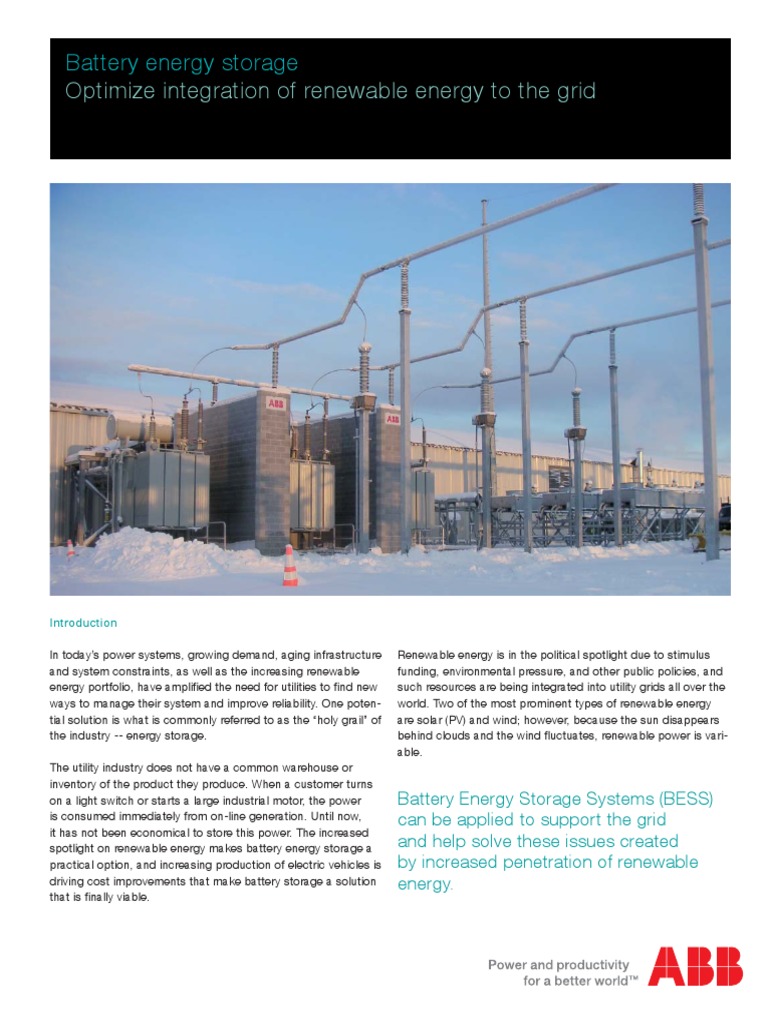
The landscape of energy production is undergoing a seismic shift as the world strives to mitigate climate change and transition to sustainable practices. At the crux of this transformation lies battery storage technology, a marvel that is fast becoming synonymous with the renewable energy revolution. The burgeoning battery storage sector is not merely a response to technological advances; it reflects a profound re-evaluation of how society perceives energy generation, consumption, and the urgent need for ecological stewardship. This article delves into the multifaceted aspects of battery storage, elucidating its significance in the context of renewable energy integration.
As renewable energy sources, particularly wind and solar, proliferate, the need to address their inherent intermittency has never been more pressing. Solar panels generate electricity only when the sun shines, and wind turbines rely on gusts, often leaving energy producers at the mercy of nature’s whims. This reliance on natural phenomena creates supply-demand mismatches, which can lead to wasted energy or increased reliance on fossil fuel back-ups. Enter battery storage—a technological tour de force that captures excess energy when production outstrips demand and releases it when consumption peaks.
Battery systems, especially lithium-ion batteries, have seen significant advancements in recent years. These developments have led to a remarkable decrease in costs—by nearly 90% over the last decade. Such a drop makes energy storage not just a viable option but a financially prudent one, facilitating increased investments in renewables. Moreover, the efficiency of modern batteries has escalated, allowing for more substantial energy retention and quicker discharge rates, allowing for seamless renewable integration into the grid.
The intersection of environmental necessity and technological capability has engendered an exponential rise in battery storage deployment. Utilities and companies alike are now capitalizing on this momentum. Projects spanning from small-scale residential systems to massive utility-scale facilities are becoming commonplace. This proliferation signifies more than numbers; it encapsulates a cultural shift towards embracing sustainability in everyday life. Communities and consumers are not mere passive recipients of energy—they are stakeholders in a new, dynamic energy landscape.
However, the fascination with battery storage extends beyond convenience and cost-effectiveness. It embodies principles of resilience and autonomy in power systems that modern society seeks. When batteries are deployed locally in communities, they enable energy independence, shielding residents from grid outages caused by natural disasters or infrastructural failures. This decentralized energy model fosters not only sustainability but also strengthens community ties as individuals come together to harness and manage their energy resources.
Despite their advantages, it is essential to recognize the environmental implications of battery production and disposal. The extraction of lithium, cobalt, and nickel—which are crucial components of many battery systems—poses serious ecological and ethical dilemmas. Mining operations can lead to deforestation, water contamination, and adverse impacts on local communities. Furthermore, addressing the end-of-life treatment of batteries remains a pressing concern. Without responsible recycling and re-use solutions, the promise of a cleaner energy future could be undermined by burgeoning waste streams and pollution. As the battery storage industry burgeons, responsible stewardship of resources will be paramount to its long-term viability.
Furthermore, the climate crisis serves as a relentless impetus for innovation. Researchers and engineers are tirelessly exploring alternatives to current battery chemistries. Solid-state batteries, flow batteries, and even organic batteries present tantalizing prospects. These next-generation technologies could dramatically enhance energy density, safety, and sustainability. The exploration of abundant materials and sustainable manufacturing processes demonstrates a commitment to not only innovate but also preserve the integrity of our planet.
Global policy frameworks are also adapting to the growing prominence of battery storage in energy systems. Governments are increasingly incorporating energy storage incentives into their renewable energy strategies, enhancing both deployment rates and technological advances. Policies designed to facilitate battery storage can catalyze the transition toward cleaner energy sources, ensuring that the infrastructure supports and fosters resilience against climatic fluctuations.
Moreover, the burgeoning relationship between battery storage and electric vehicles (EVs) cannot be overlooked. As EV adoption accelerates, the synergy between renewable energy generation and battery technology reinforces a circular economy. Well-planned charging infrastructures allow for the coalescence of electric mobility and renewable energy, where EVs can double as energy reservoirs, returning stored electricity to the grid during peak demand periods. This symbiotic relationship heralds a new epoch of innovative energy management, reinforcing the electric vehicle’s role not just in transportation but as a pivotal component of overall energy strategy.
As we traverse this exciting juncture in energy history, the importance of education and public engagement cannot be overstated. Citizens must be informed about energy technologies and their implications on both local and global scales. Community education initiatives can foster a greater understanding of energy storage and its critical role in the renewable landscape, empowering individuals to participate meaningfully in the transition toward sustainable energy practices.
In conclusion, battery storage is booming and serves as a cornerstone in the renewable energy transition. The technology not only addresses pressing challenges associated with energy generation but also encapsulates deeper societal shifts towards sustainability and resilience. As advancements continue to unfold, society must be vigilant and proactive in balancing the benefits of storing energy with the overarching goals of environmental preservation. The future of energy is bright, and it is powered by innovation, responsibility, and a collective commitment to safeguarding our planet for generations to come.










Leave a Comment