
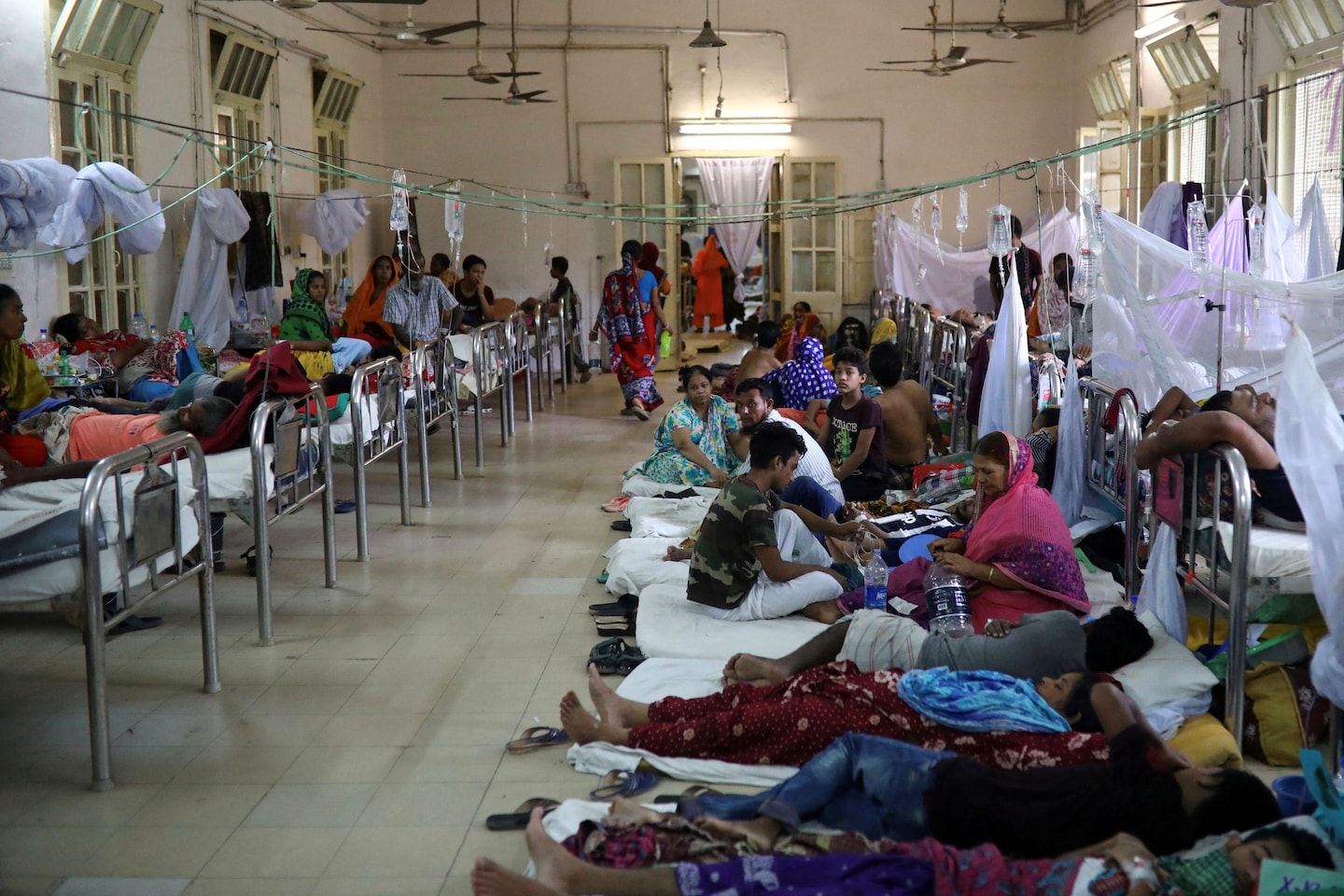
Bangladesh is confronting its most severe dengue outbreak ever recorded, a crisis intensified by climate‑driven changes that expand mosquito habitats, strain health systems, and highlight urgent needs for adaptive public‑health and environmental strategies.
Quick Answer
Dengue fever, transmitted by the Aedes aegypti mosquito, has surged to unprecedented levels in Bangladesh because rising temperatures and increased rainfall create ideal breeding conditions for the vector. Scientific assessments link these climatic shifts to faster mosquito development, higher survival rates, and expanded geographic range, leading to more frequent and intense transmission cycles. The outbreak strains hospitals, especially in densely populated Dhaka, and disproportionately affects children, the elderly, and low‑income communities. While climate change is a key driver, uncertainties remain about the precise contribution of urban water‑management failures and socioeconomic factors.
Key Takeaways
- Warmer temperatures and heavier monsoon rains in Bangladesh accelerate Aedes mosquito breeding and shorten the virus incubation period.
- Urban drainage deficiencies and unplanned settlements amplify standing‑water habitats, intensifying transmission.
- Health‑system capacity, especially in Dhaka, is overwhelmed, highlighting gaps in surveillance and vector‑control resources.
- High‑confidence evidence links climate change to increased dengue risk, but data gaps exist on local adaptation effectiveness.
- Integrated solutions—climate‑smart urban planning, community‑based vector control, and strengthened health services—offer the most resilient response.
What Is Bangladesh Battles Deadliest Climate-Driven Dengue Outbreak on Record?
The phrase describes the 2023‑2024 dengue epidemic that surpassed all previous case counts in Bangladesh, with the World Health Organization estimating over 200,000 reported infections and thousands of hospitalizations. It emphasizes that the outbreak’s magnitude is not merely a seasonal spike but is amplified by climate‑related factors that make the environment more conducive to the dengue virus and its mosquito vector.
How Does It Work?
1. Climate Alters Mosquito Biology
Rising average temperatures (approximately 1.5 °C above the 1970–2000 baseline, according to Bangladesh Meteorological Department data) speed up mosquito development from egg to adult, reducing the life‑cycle from 10 days to about 7 days. Warmer conditions also shorten the extrinsic incubation period—the time the virus needs to become transmissible inside the mosquito—from 12 days to 8 days, increasing the number of infectious bites per mosquito.
2. Rainfall Creates Breeding Sites
Intense monsoon events in 2023 produced up to 300 mm of rain in 48 hours in parts of Dhaka, leaving numerous containers, discarded tires, and clogged drains filled with stagnant water. Aedes aegypti prefers clean, shallow water for oviposition; each litre of standing water can host dozens of larvae.
3. Urban Infrastructure Gaps Amplify Exposure
Rapid, unplanned urban expansion has left many neighborhoods with inadequate drainage and irregular waste collection. These conditions generate micro‑habitats where mosquitoes thrive, especially in informal settlements where households lack screens or air‑conditioning.
4. Human‑Vector Interaction Increases Transmission
High population density—Dhaka exceeds 23,000 people per km²—means frequent human‑mosquito contact. Combined with limited public‑health outreach, the probability of a bite leading to infection rises sharply.
What Does the Evidence Show?
Multiple lines of evidence converge on a climate‑driven increase in dengue risk:
- Long‑term monitoring: The Bangladesh Institute of Epidemiology recorded a 7‑fold rise in annual dengue cases between 2000 and 2023, coinciding with a documented 0.9 °C increase in mean annual temperature.
- Attribution studies: A 2022 systematic review in The Lancet Planetary Health found that in South‑Asian megacities, a 1 °C temperature rise is associated with a 13 % increase in dengue incidence, a relationship confirmed by regional climate‑disease models.
- Vector surveillance: Entomological surveys by the Ministry of Health reported a 2.5‑fold rise in adult Aedes density indices during the 2023 monsoon compared with the 2018–2020 baseline.
- Health‑system data: Hospital admission records from Dhaka Medical College show a peak of 4,200 dengue admissions per week in August 2023, far exceeding the 2019 peak of 1,200 admissions.
These findings together indicate a robust association between climate variables and dengue dynamics, though precise attribution to climate versus urban management remains an active research area.
Main Causes or Drivers
Direct Causes
- Elevated ambient temperature accelerating mosquito life cycles.
- Heavy, concentrated rainfall generating abundant breeding habitats.
Underlying Drivers
- Rapid, unplanned urbanization leading to poor drainage and waste management.
- Socio‑economic vulnerability that limits access to protective housing and health services.
Contributing Factors
- Limited public‑health financing for vector‑control programs.
- Community awareness gaps and misinformation about mosquito prevention.
Environmental and Human Impacts
Environmental Impacts
Increased pesticide use for adult mosquito control can affect non‑target insects and aquatic organisms, potentially disrupting local biodiversity. Moreover, standing water accumulation reflects broader water‑resource mismanagement that exacerbates flood risk.
Human Health and Social Impacts
Severe dengue cases present with high fever, joint pain, and sometimes hemorrhagic complications, leading to hospitalization rates that overwhelm intensive‑care capacity. Children under 15 account for roughly 45 % of reported cases, while the elderly experience higher case‑fatality rates (≈1.8 % versus 0.6 % in younger adults). Out‑of‑pocket medical expenses strain households, with average treatment costs reported at 12,000 BDT (≈140 USD), a substantial burden for low‑income families.
Economic and Infrastructure Impacts
Extended hospital stays reduce labor productivity; a 2023 economic assessment estimated a GDP loss of 0.08 % for Bangladesh due to dengue‑related absenteeism. Overcrowded hospitals also delay care for other conditions, compounding overall health system strain.
Regional Differences
While Dhaka bears the brunt of cases, peripheral districts such as Chittagong and Sylhet experience outbreaks linked to localized flooding and tea‑garden micro‑climates. In coastal regions, salt‑water intrusion hampers drainage, creating additional stagnant water pools. Conversely, the northern highlands, with cooler temperatures, report fewer cases, illustrating the temperature‑sensitivity of transmission.
What Scientists Know With High Confidence
- Warmer temperatures and increased rainfall directly boost Aedes mosquito abundance and shorten viral incubation periods.
- Urban water‑management failures are a critical conduit that translates climate signals into public‑health outcomes.
- Children and the elderly are the most vulnerable demographic groups for severe dengue complications.
- Integrated vector‑management programs that combine source reduction, community education, and targeted insecticide use reduce transmission risk when adequately funded.
What Remains Uncertain
Key uncertainties include the relative magnitude of climate change versus urban planning deficits in driving the current outbreak, the long‑term effectiveness of insecticide resistance management strategies, and how future socioeconomic development pathways will influence exposure patterns. More granular, longitudinal entomological data and climate‑disease modeling at the neighborhood scale are needed to refine attribution estimates.
Common Misconceptions
Misconception: Dengue is only a seasonal problem.
Reality: While dengue peaks during rainy seasons, climate‑induced shifts in temperature and precipitation are extending transmission windows and expanding geographic reach.
Misconception: Only rural areas are affected.
Reality: Urban centers, especially densely populated Dhaka, experience the highest case numbers due to the concentration of breeding sites and human hosts.
Misconception: Pesticide spraying alone can eliminate dengue.
Reality: Overreliance on chemicals leads to insecticide resistance and ecological harm; sustainable control requires source reduction and community participation.
Solutions and Limitations
Effective response strategies combine prevention, adaptation, and health‑system strengthening:
- Source reduction: Removing standing water containers is low‑cost but depends on sustained community engagement and reliable waste collection.
- Biological control: Introduction of Wolbachia‑infected mosquitoes can suppress virus transmission, yet large‑scale rollout faces logistical and regulatory hurdles.
- Improved urban drainage: Upgrading storm‑water infrastructure reduces breeding habitats, but requires significant capital investment and long implementation timelines.
- Integrated vector management (IVM): Combining environmental management, targeted insecticide use, and public education offers the most evidence‑based impact, though funding gaps limit consistent application.
- Health‑system resilience: Expanding hospital capacity, early‑warning surveillance, and rapid diagnostic testing improve case management, yet resource constraints and workforce shortages pose challenges.
What Individuals, Communities, and Governments Can Do
What Individuals Can Do
- Eliminate any water‑holding containers around homes weekly.
- Use screened windows or mosquito nets, especially for children and the elderly.
- Seek prompt medical attention for fever and joint pain to reduce severe outcomes.
What Communities and Organizations Can Do
- Organize neighborhood clean‑up drives to clear clogged drains and discard waste.
- Partner with local NGOs to run education campaigns on dengue prevention.
- Establish community‑based reporting systems for mosquito hotspots.
What Governments Can Do
- Allocate dedicated budget for Integrated Vector Management and monitor insecticide resistance.
- Invest in climate‑resilient urban infrastructure, prioritizing drainage in high‑density areas.
- Strengthen national disease surveillance, integrating climate data to forecast outbreak risk.
- Support research on novel control methods such as Wolbachia or sterile‑male releases.
Closing Synthesis
The unprecedented dengue surge in Bangladesh illustrates how climate‑driven environmental changes can magnify vector‑borne disease threats, especially where rapid urbanization and socioeconomic vulnerability intersect. High‑confidence evidence links rising temperatures and intensified rainfall to larger, more infectious mosquito populations, while gaps remain in quantifying the exact share of climate versus urban factors. A multi‑layered response—combining source reduction, climate‑smart city planning, robust health‑system capacity, and community empowerment—offers the most viable path forward. Continued research, targeted investment, and coordinated action are essential to curtail the current crisis and build resilience against future climate‑related health challenges.
Frequently Asked Questions
Why is dengue spreading faster in Bangladesh now?
Dengue is spreading faster because higher temperatures speed up mosquito development and virus incubation, while heavier monsoon rains create more standing water for breeding. Urban drainage problems and dense populations further amplify human exposure.
What role does climate change play in the dengue outbreak?
Climate change raises average temperatures and intensifies rainfall, both of which are proven to increase Aedes mosquito abundance and shorten the time the virus becomes transmissible. Multiple studies link a 1 °C rise to a 13 % increase in dengue incidence in South‑Asian cities.
Which groups are most at risk from severe dengue in Bangladesh?
Children under 15 and older adults are most vulnerable. Children account for about 45 % of reported cases, while the elderly experience higher case‑fatality rates, roughly three times that of younger adults.
What are the most effective ways to reduce dengue risk?
Integrated vector management that combines source reduction (eliminating standing water), community education, targeted insecticide use, and improved urban drainage has the strongest evidence for reducing transmission when properly funded and implemented.
Can individuals help control the dengue outbreak?
Yes. Individuals can regularly empty or cover containers that hold water, use window screens or mosquito nets, and seek early medical care for fever and joint pain. Community participation in clean‑up activities also significantly cuts breeding sites.








Leave a Comment